
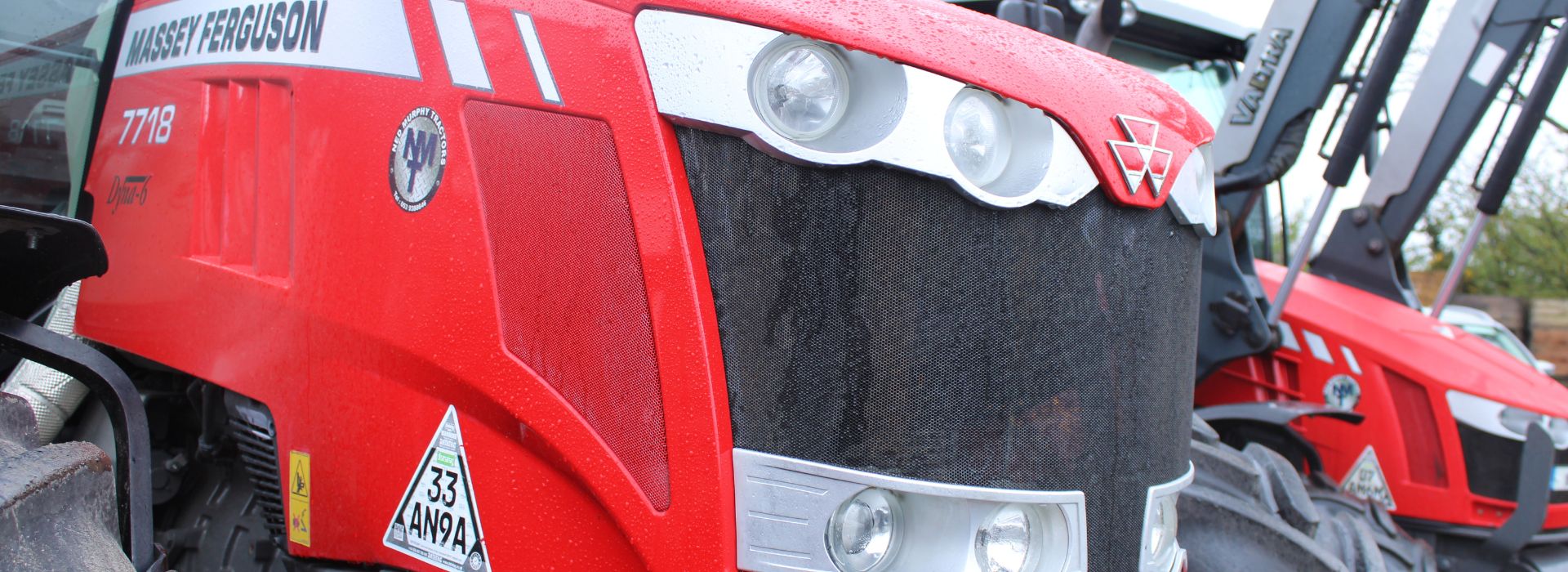
TLDR: Milky or dirty hydraulic oil on a Massey Ferguson usually signals water ingress, contamination, wear or overdue servicing. Water can enter through cracked boots, seals, breathers or poor storage. Acting quickly with correct oil, filters and repairs helps protect pumps, valves, linkage, steering and transmission components from costly damage.
Milky, cloudy or dirty hydraulic oil is never something to ignore on a Massey Ferguson tractor. The hydraulic system is central to everyday tractor work, powering or supporting the rear linkage, spool valves, loader operation, steering assistance and, on many models, transmission lubrication. When the oil no longer looks clean, clear and consistent, it is often telling you something important: water ingress, internal wear, contamination or overdue maintenance.
For many owners, the first sign appears on the dipstick, sight glass or during an oil drain. Instead of clean amber or dark-but-clear oil, the fluid may look grey, creamy, frothy, blackened or gritty. Searches such as water in hydraulic oil tractor, water in hydraulic system tractor and water in tractor hydraulic fluid are common because the symptoms are easy to spot, but the cause is not always immediately obvious.
Why Hydraulic Oil Turns Milky
Milky hydraulic oil usually points to water contamination. When water mixes with oil and is churned through pumps, gears and hydraulic circuits, it can form an emulsion. That emulsion gives the oil a cloudy, grey or creamy appearance. Donaldson identifies water as one of the major types of hydraulic fluid contamination, alongside air, chemical contamination and particulate contamination such as dust or debris. Their hydraulic contamination guide explains how these contaminants can reduce component life and increase the risk of system damage.
On a Massey Ferguson tractor, water can enter the hydraulic or transmission oil in several ways. Common causes include cracked gear-lever boots, damaged rubber gaiters, missing filler caps, poor sealing around the hydraulic top cover, blocked or damaged breathers, pressure washing around seals and leaving a tractor outside in heavy rain. Older Massey Ferguson tractors that spend winters outdoors are especially vulnerable because moisture can collect gradually over time.
A small amount of condensation may not seem serious at first, but repeated moisture build-up can eventually turn into a real hydraulic problem. Water reduces the oil’s ability to lubricate and protect moving metal parts. It can also encourage corrosion inside the transmission casing, hydraulic pump, lift cylinder, spool valves and pipework.
What Dirty Hydraulic Oil Can Tell You
Dirty hydraulic oil is not always caused by water. Black, gritty or burnt-smelling oil may point to overdue servicing, brake material contamination, clutch debris, internal wear, failing seals, old filters or general dirt circulating through the rear axle and hydraulic system.
Hydraulic oil should be treated as a condition report for the tractor. Caterpillar’s fluid analysis information explains that oil testing can reveal excessive wear, contaminated fluids and other hidden issues before they become obvious externally. Although this guidance is not Massey Ferguson-specific, the principle applies across agricultural hydraulic and transmission systems: the condition of the oil often tells you what is happening inside the machine.
Common warning signs include slow linkage lift, noisy hydraulics, weak loader performance, jerky arms, spool valves sticking, hydraulic pump whine, overheating oil, poor steering assistance or filters blocking sooner than expected. In severe cases, water in tractor hydraulic fluid can freeze in cold weather, restrict flow and cause sudden hydraulic failure.
Why Water in Hydraulic Oil Is So Damaging
Hydraulic oil has several jobs. It transmits power, lubricates gears and pump components, carries heat away and protects metal surfaces from corrosion. Water interferes with all of those jobs.
When there is water in hydraulic system tractor oil, the lubricating film between moving parts can weaken. Bearings, gears, pump pistons, valve spools and hydraulic lift components may then run with less protection. Rust can form on internal surfaces, and small corrosion particles can break loose and circulate through the system. These particles then cause further wear, creating a cycle of contamination.
Donaldson’s guidance on new-equipment hydraulic contamination highlights the importance of high-quality hydraulic fluid, proper filtration and a strong contamination control plan to protect equipment investment. In practical Massey Ferguson terms, this means water contamination is not just a cosmetic issue. It can shorten the life of pumps, valves, filters, seals and back-end components.
First Checks to Make on a Massey Ferguson
Before replacing major parts, start with simple checks. Inspect the oil level and appearance on level ground. If the oil is slightly hazy, allow the tractor to stand overnight and check again. If the oil remains milky, water is likely suspended in the fluid.
Next, inspect the obvious entry points. Check the gear-lever boots, range-lever boots, hydraulic filler cap, transmission breather, dipstick seal, cab floor openings and any missing blanking plugs. On many older Massey Ferguson tractors, cracked rubber boots around the gear levers are one of the most common ways rainwater enters the transmission housing.
Also consider where and how the tractor is stored. If it is parked outside with worn lever boots, damaged seals or exposed filler points, rainwater can work its way into the casing. Pressure washing can also force water into areas it would not normally reach, especially around breathers, seals, linkages and filler points.
Should You Keep Using the Tractor?
If the oil is only slightly dirty and the tractor is due a service, light use may be possible, but milky oil should be treated more urgently. Avoid heavy loader work, prolonged hydraulic use or road work until the issue is dealt with. The more the oil circulates, the more contamination moves through the hydraulic pump, valves, lift cover and filters.
If the hydraulic oil looks like grey cream, contains visible water, has metal flakes or smells burnt, stop and investigate. Running a Massey Ferguson with badly contaminated oil can turn a straightforward oil-and-filter service into a pump, valve or transmission repair.
What to Do Next
The safest next step is usually a full oil and filter change using the correct specification for your exact Massey Ferguson model. Oil type, quantity, drain points and filter arrangements vary by model and transmission type, so always check the correct operator manual or service information before refilling. Massey Ferguson provides service and operator information through its official support portal.
When draining contaminated oil, allow plenty of time for the rear axle or transmission housing to empty. Some tractors have more than one drain point, and water may settle in low areas of the casing. Replace the hydraulic filter, transmission filter or suction strainer as applicable. If the tractor has a washable suction screen, clean it carefully and inspect it for metal, brake lining debris, seal fragments or sludge.
If the oil was severely milky, consider a shorter follow-up service interval after refilling. Some owners refill, run the tractor briefly to circulate clean oil, then drain again if contamination remains. This can help remove residue, although heavily contaminated systems may require more thorough flushing or professional inspection.
Don’t Forget the Cause
Changing the oil without fixing the source of contamination is only half the job. If water entered through a cracked gear-lever boot, it will happen again. Replace damaged boots, gaiters, seals and filler caps. Check that breathers are present, secure and not broken. Make sure rubber covers sit properly around the levers.
If the tractor has a loader or external hydraulic couplings, keep quick-release couplers clean and capped when not in use. Dirt and moisture can enter through exposed couplings and be carried into the hydraulic circuit. Donaldson’s contamination guidance stresses that clean oil handling, filtration and good maintenance habits are essential for reducing hydraulic system damage.
When Dirty Oil Points to Wear
Not every dirty oil problem is caused by rainwater. Very dark oil, metallic particles or repeated filter blockage may point to internal wear. Possible sources include hydraulic pump wear, brake material, bearing wear, clutch pack debris on certain models, deteriorated seals or long-neglected oil.
This is where oil analysis can be useful. A sample can identify water, particle levels and wear metals. Caterpillar’s fluid analysis service explains that laboratory testing can help uncover excessive wear and contamination that may not yet be obvious during daily operation. For a valuable or hard-working Massey Ferguson, testing can help decide whether the issue is simple contamination or an early warning of component failure.
Parts Commonly Needed
Depending on the model and symptoms, the usual service parts may include hydraulic oil, transmission oil, hydraulic filters, suction strainers, sealing washers, gear-lever boots, hydraulic filler caps, breathers, O-rings and top-cover gaskets. If performance problems remain after clean oil and filters, further parts may include hydraulic pump components, relief valves, lift cylinder seals, spool valve seals or pipework seals.
Correct part identification matters, especially across different Massey Ferguson series and transmission types. Massey Ferguson’s official parts information explains that AGCO Parts Books provide access to electronic parts catalogue information for Massey Ferguson machines. Always match replacement parts to the exact model, serial number and system fitted to the tractor.
Final Advice
Milky oil is your tractor giving you an early warning. Whether the issue is water in hydraulic oil tractor systems, general dirt contamination or overdue maintenance, the answer is to act before damage spreads. Check for water entry points, drain the contaminated oil, replace the correct filters, refill with the right specification and monitor the oil after use.
A Massey Ferguson hydraulic system can tolerate hard work, but it cannot tolerate neglected oil forever. Clean, dry oil protects the pump, valves, linkage, steering and transmission components. If the fluid looks wrong, treat it as a warning sign rather than a minor service issue.
Require replacement parts for your Massey Ferguson Tractor? Browse and Buy now from our Online Shop.
Would like to speak with a member of our team? Get in touch on our Contact Us page.