
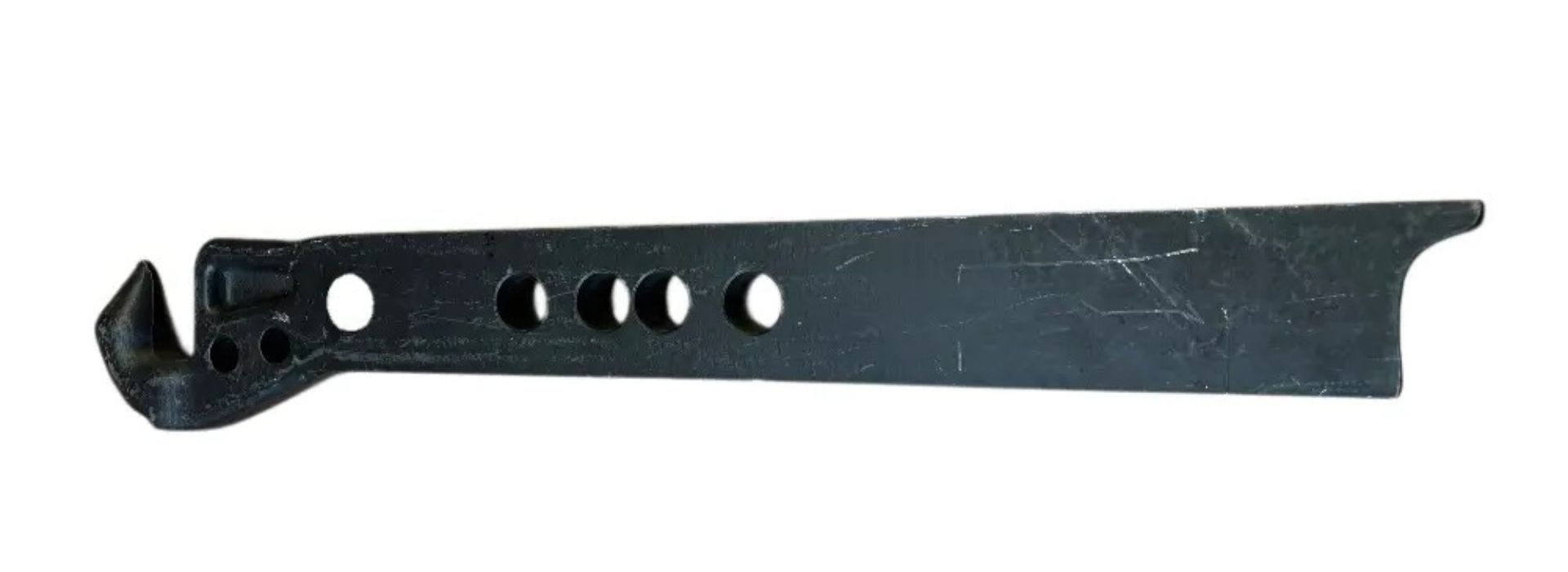
TLDR: Massey pick-up hitch latching problems usually come from mechanical wear, not adjustment alone. Check the hook, latch, springs, pins, bushes, and release linkage for rounding, slack, cracks, or weak return. Replacing several worn parts together, or fitting a repair kit, is often the safest, longest-lasting fix for reliability.
If your Massey Ferguson pick-up hitch won’t latch properly, or it releases unexpectedly when towing, the root cause is usually mechanical wear in the latch assembly rather than a one-off adjustment issue. In practical terms, that means the hook, latch, spring, pins, bushes, and release linkage all need careful inspection. Massey Ferguson directs owners to use official service information and AGCO parts support for troubleshooting and correct replacement part identification, and AGCO’s parts catalogue shows that pick-up hitch systems are supported with individual components such as hooks, latches, springs, pins, and even complete automatic pick-up hitch kits.
Why a Massey pick-up hitch stops latching securely
A pick-up hitch stays safe only when the hook closes fully, the latch engages positively, and the release linkage returns to its home position every time. Once there is wear or free play in that chain, the hitch may appear to catch, but under braking, drawbar shock, or road bounce it can drop out of lock and release. NFU Cymru notes that wear of any hitch type affects security and safety and also points out that poor braking balance increases shunting loads that accelerate hitch wear. Independent coupling guidance from Ringfeder likewise says that if daily checks show impaired function or wear limits are exceeded, servicing should be carried out immediately.
That is why a hitch that “mostly works” should not be ignored. A Massey pick-up hitch that occasionally unlatches is usually already telling you that one or more hard-wearing parts are close to the end of service life. HSE guidance on tractor and machine safety also reinforces the need to keep machinery in safe working order and to use proper safe-stop procedures during inspection and repair.
The main wear points to inspect first
-
The pick-up hitch hook
The hook is one of the biggest wear items. AGCO lists a dedicated Hook, Pick Up Hitch component for Massey Ferguson applications, which reflects the fact that the hook itself is a service part, not a lifetime item. If the mouth of the hook is worn, bell-mouthed, chipped, or rounded off where it should hold the eye securely, the hitch may not retain the trailer eye correctly under load.
Look for:
- rounding on the locking face
- elongation where the trailer eye bears
- cracking, gouging, or welding repairs
- shiny witness marks that show the eye is moving excessively in the hook
-
The latch or locking pawl
AGCO also lists a Latch, Pick-Up Frame part, which is a strong clue that latch wear is a common enough failure point to justify replacement rather than improvised repair. When the latch edge becomes rounded, the hook may no longer lock with full depth. That creates the classic complaint: the hitch seems to latch, but releases unexpectedly on bumps or when pulling away.
Inspect the latch for:
- a rounded nose instead of a crisp locking face
- uneven wear on one side
- cracks near the pivot
- poor engagement depth with the hook
-
Return springs and latch springs
A weak or broken spring is another frequent cause of poor latching. AGCO’s catalogue includes hitch-related springs, and aftermarket repair offerings also bundle wear items for automatic pick-up hitch repairs, which supports the idea that springs are routine renewal parts in this assembly. If the spring has lost tension, the latch may not snap fully into place or may fail to stay seated under vibration.
Check for:
- stretched coils
- rust pitting
- broken ends
- weak return action on the release handle or cable
-
Pivot pins, clevis pins, and bushes
Even when the hook and latch still look usable, worn pins and bushes can create enough slop to stop proper engagement. AGCO emphasises the importance of correctly specified genuine pins and hardware, and that matters here because excessive play changes the geometry of the locking mechanism.
Signs of trouble include:
- oval pin holes
- grooves worn into pins
- side-to-side movement in the hook or latch
- visible misalignment between latch and hook
-
Release rod, cable, and control linkage
If the hitch is cable- or rod-operated, the release system itself may be the culprit. Many parts retailers sell both a general Automatic Pick Up Hitch Repair Kit and a Pick Up Hitch Rod Kit for Massey Ferguson fitments, along with list control handles, cables, pivot repair kits, hooks, and hook pins for agricultural pick-up hitch systems. That pattern strongly suggests linkages and pivot hardware are common service items.
Inspect for:
- bent rods
- frayed or sticky cables
- seized pivots
- poor return to rest position
- release lever not fully disengaging after use
Parts most commonly worth replacing
If your Massey pick-up hitch won’t latch, the most sensible repair is often to replace the full cluster of worn components together rather than one piece at a time. In most cases, the shortlist is:
- pick-up hitch hook
- latch / locking pawl
- return spring or latch spring
- pivot pins and retaining clips
- bushes
- release rod or cable
- repair kit or complete automatic hitch kit, where wear is widespread
This approach makes sense because a new latch working against a badly worn hook, or a new spring fighting a sloppy pivot, rarely gives a lasting fix.
When repair kits make more sense than single parts
A repair kit is often the better option when the hitch has multiple wear points, but the main structure is still sound.
Go for a complete hitch assembly when:
- the main hook frame is worn or cracked
- previous welding has distorted alignment
- mounting points are damaged
- wear is so extensive that a piecemeal rebuild will cost nearly as much as replacement
Final advice before ordering parts
Before ordering, identify the exact tractor model and hitch type in the AGCO Parts Books system or through a Massey Ferguson dealer, because pick-up hitch layouts vary by series and market. Massey Ferguson’s service information portal and AGCO’s parts support are the safest starting points for matching the right hook, latch, spring, or kit to your machine. Use genuine or properly specified replacement parts, and do not put a suspect hitch back into road or field service until it locks positively and repeatedly under test.
In plain terms: if your Massey pick-up hitch releases unexpectedly, treat it as a mechanical wear problem first. Check the hook, latch, spring, pins, bushes, and release linkage in that order. Most unreliable hitches can be traced to those parts, and replacing the worn set together is usually the fastest way back to a secure, dependable lock.
Would like assistance in selecting the correct replacement parts for your Massey Ferguson tractor? Get in touch with us on our Contact Us page.
Browse and Buy our collection of Massey Ferguson parts on our Online Shop.