
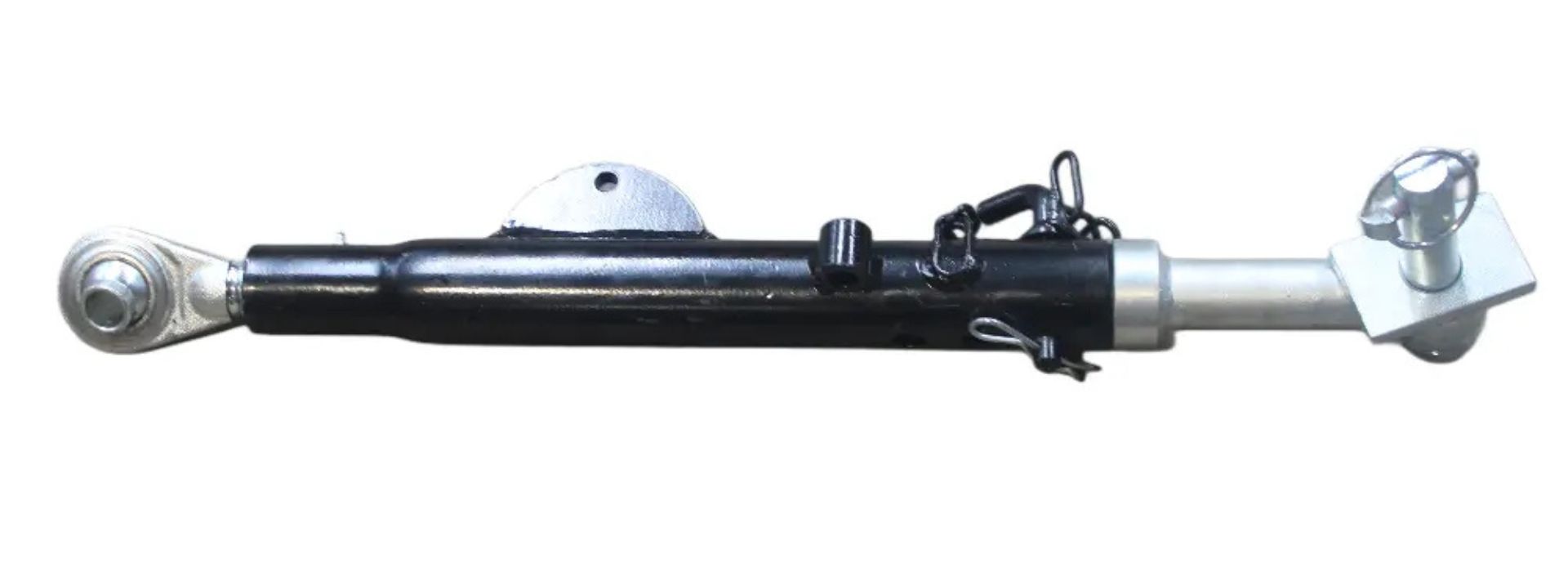
TLDR: Worn Massey Ferguson lift arm ball ends, stabilisers and linkage pins can cause sloppy implement control, excessive sway and faster wear across the three-point linkage. Regular inspection and timely replacement of small linkage parts helps keep implements stable, protects larger components and keeps tractors working safely, accurately and efficiently.
When a Massey Ferguson tractor starts to feel loose on the linkage, the problem is not always hydraulic, electronic or expensive. Very often, the trouble begins with the small everyday wearing parts that do the hard work every time an implement is lifted, lowered, turned or transported. Worn ball ends, tired stabilisers and sloppy pins can turn a once-tight three-point linkage into a rattling, wandering headache.
The three-point linkage is one of the most important systems on any agricultural tractor. According to TractorData’s explanation of the three-point hitch, the system uses two lower connection points and one upper point to create a rigid connection between the tractor and implement. That simple triangular design is what allows the tractor to lift, lower, control and carry mounted equipment.
The dimensions and requirements for rear-mounted agricultural tractor linkages are also covered by ISO 730:2009, the international standard for rear-mounted three-point linkage systems. In practical workshop terms, this means the linkage only works properly when every contact point is held firmly, correctly aligned and matched to the right implement category.
That is why small parts matter.
Why linkage wear causes poor implement control
The lower lift arms carry much of the implement’s weight and movement. The lift arm ball ends allow the implement pins to pivot as the tractor moves over uneven ground. Stabilisers control side-to-side sway. The 3 point linkage pins hold everything together.
When these parts wear, the implement no longer follows the tractor cleanly. A mower may swing from side to side. A topper may leave uneven cuts. A fertiliser spreader may not sit square. A plough, scraper blade or transport box can begin to snatch, rattle or pull unevenly.
That small amount of free play at the ball end or pin can become a much larger movement at the back of the implement. What starts as a worn Massey Ferguson lift arm ball can quickly feel like the whole linkage is loose.
Common signs your Massey Ferguson linkage parts are worn
Most linkage wear is easy to spot once you know what to look for. Common symptoms include:
- Excessive implement sway, even when stabilisers are adjusted
- Oval or elongated holes in lift arms, brackets or implement lugs
- Bent, grooved or heavily polished linkage pins
- Ball ends that rattle, seize or have obvious side play
- Stabilisers that are bent, stretched, seized or difficult to adjust
- Implements sitting off-centre behind the tractor
- Faster wear on bushes, brackets and implement mounting points
These issues are especially common on tractors that do loader work, topping, hedge cutting, yard scraping or frequent implement changes. Every bump, turn and lift puts load through the Massey Ferguson link arms, pins and stabilizer assemblies.
The knock-on cost of ignoring small linkage wear
The real problem with worn Massey Ferguson lift arm parts is not just the rattle. It is the damage they cause elsewhere.
A loose pin hammers against the lift arm ball. A worn ball allows the implement to move more than it should. A tired stabiliser bar tractor setup allows excessive sway. That sway then puts more strain on brackets, check chains, levelling boxes, PTO shafts and implement frames.
In other words, one cheap worn part can start wearing out several expensive parts.
Sloppy linkage also makes the tractor harder to operate accurately. When implements move unpredictably, the operator spends more time correcting steering, adjusting working depth or re-aligning after turns. In tight yards or around gates, too much side movement can also create avoidable damage.
For contractors and busy farms, that means lost time. For older Massey Ferguson tractors, it can mean turning a straightforward repair into a larger restoration job.
Stabilisers: the small parts that keep implements in line
The Massey Ferguson stabilizer bar is there for a simple reason: it limits side-to-side implement movement. Depending on the tractor model, the setup may use stabiliser bars, chains, telescopic stabilisers or turnbuckle-style adjusters.
A good stabiliser setup keeps the implement centred while still allowing enough movement for the job. Too loose, and the implement swings. Too tight, and you risk stressing the linkage when turning, lifting or working on uneven ground.
This is especially important with wide or heavy implements. A topper, mower, spreader or mounted sprayer can place a lot of twisting force through the linkage. If the stabilisers are worn or incorrectly adjusted, that force is transferred into the lift arms, pins and mounting brackets.
When replacing Massey Ferguson lift arm linkage parts, always inspect the stabilisers at the same time. New pins and balls will not solve implement sway if the stabilisers are already bent, stretched or badly worn.
Pins and balls: cheap parts, critical fit
Many linkage problems come down to poor fit. The right pin should match the hitch category, implement and tractor. The right ball end should fit securely without excessive play. The correct lynch pins, clips and retaining hardware should also be used every time.
The ISO three-point linkage standard exists because linkage dimensions matter. Using the wrong three point linkage pins can create movement even when the parts are new. A pin that is too small will hammer the ball and implement lug. A worn pin with a step or groove can damage a fresh ball end. A seized or dry ball can twist against the pin instead of pivoting smoothly.
Before fitting new lift arms for Massey Ferguson tractor applications, check the full connection: tractor arm, ball end, implement pin, retaining clip and stabiliser setting. The linkage is only as strong as the weakest contact point.
What about Massey Ferguson front linkage?
Modern Massey Ferguson tractors increasingly use front linkage for extra versatility. Massey Ferguson’s own tractor information often highlights front linkage compatibility and front-mounted equipment options across modern tractor ranges, while specialist suppliers, such as ourselves, also list Massey Ferguson front linkage kits for different applications.
A Massey Ferguson front linkage faces the same basic wear issues as the rear linkage: pins, balls, hooks, stabilisers and pivot points all need to be kept tight, clean and correctly matched.
Front-mounted mowers, weights, tanks and other implements can generate heavy forces, particularly during road transport or when working on uneven ground. If the front linkage is loose, the operator may feel extra vibration, poor implement tracking or faster wear around the mounting points.
The same rule applies: inspect small parts early, before movement becomes damage.
Maintenance tips to reduce linkage wear
Good linkage maintenance is simple, but it must be regular.
Clean dirt and grit away from ball ends and pins before fitting implements. Grease or lubricate where recommended. Replace badly worn pins instead of reusing them with new parts. Check stabilisers for straightness and adjustment. Look for cracks around brackets and mounting points. Compare both lift arms to make sure they sit evenly and are not twisted.
It is also worth keeping spare 3 point linkage pins, lynch pins and common Massey Ferguson lift arm parts in the workshop. These are low-cost items, but they can stop a machine being parked up during a busy day.
For anyone maintaining or repairing linkage assemblies, browsing a dedicated Massey Ferguson linkage parts category can help identify the common pins, stabilisers, lift arm parts and related hardware used across different tractor models.
When should you replace linkage parts?
Replace linkage parts when you see obvious wear, when implements no longer sit square, or when adjustment no longer removes the slack. Do not wait until a pin breaks or an implement comes loose.
For older Massey Ferguson tractors, new Massey Ferguson link arms, ball ends, stabilisers and pins can make the tractor feel far tighter and safer to use. For newer machines, replacing wearing parts early protects the more expensive linkage components.
Small parts, big difference
Lift arm ball ends, stabilisers and pins are not glamorous parts. They are easy to overlook because they are small, simple and relatively inexpensive. But they control how accurately the tractor handles an implement, how much stress is passed through the linkage, and how quickly other parts wear out.
Whether you are maintaining a classic Massey Ferguson or keeping a modern tractor earning every day, pay attention to the small linkage hardware. A tight Massey Ferguson lift arm ball, correctly fitted pins and a sound Massey Ferguson stabiliser bar can prevent sloppy implement control, reduce knock-on wear and keep your tractor working as it should.
In the end, good linkage performance is not just about lift capacity. It is about control, alignment and keeping every connection point tight.
Would like to speak to someone about linkage and hitch replacement parts? Get in touch with us on our Contact page.
Need parts for your Massey Ferguson tractor? Browse and Buy from our Online Shop.