Looking for reliable 4360 parts to keep your Massey Ferguson 4360 running smoothly? At NMT Group you’ll find a comprehensive range of new, used and refurbished tractor components specifically designed for the 4300 Series 4360 model. Whether you need a fresh hydraulic pump, a replacement transmission shaft or a set of worn tyres, our inventory covers everything from critical engine parts to everyday wear items. Based in Ireland and shipping worldwide, we combine competitive pricing with fast delivery so you can get your tractor back to work without delay.
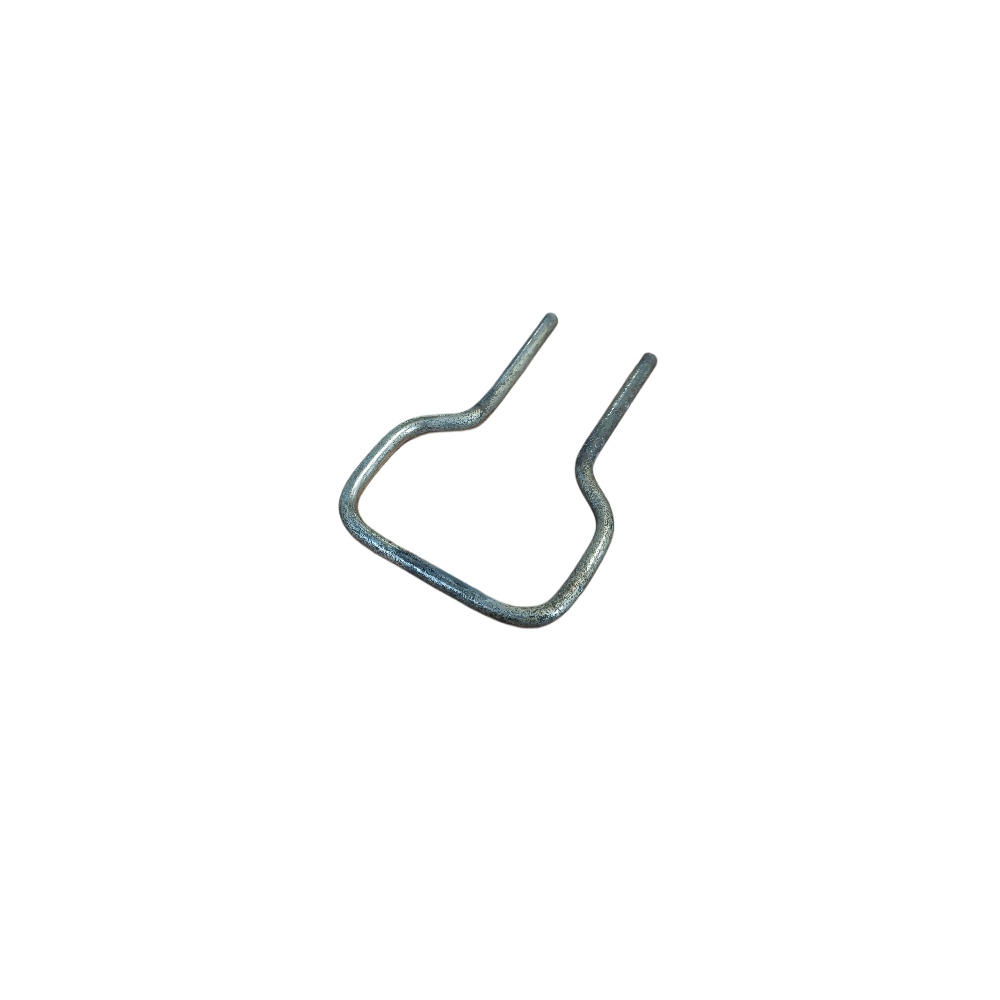
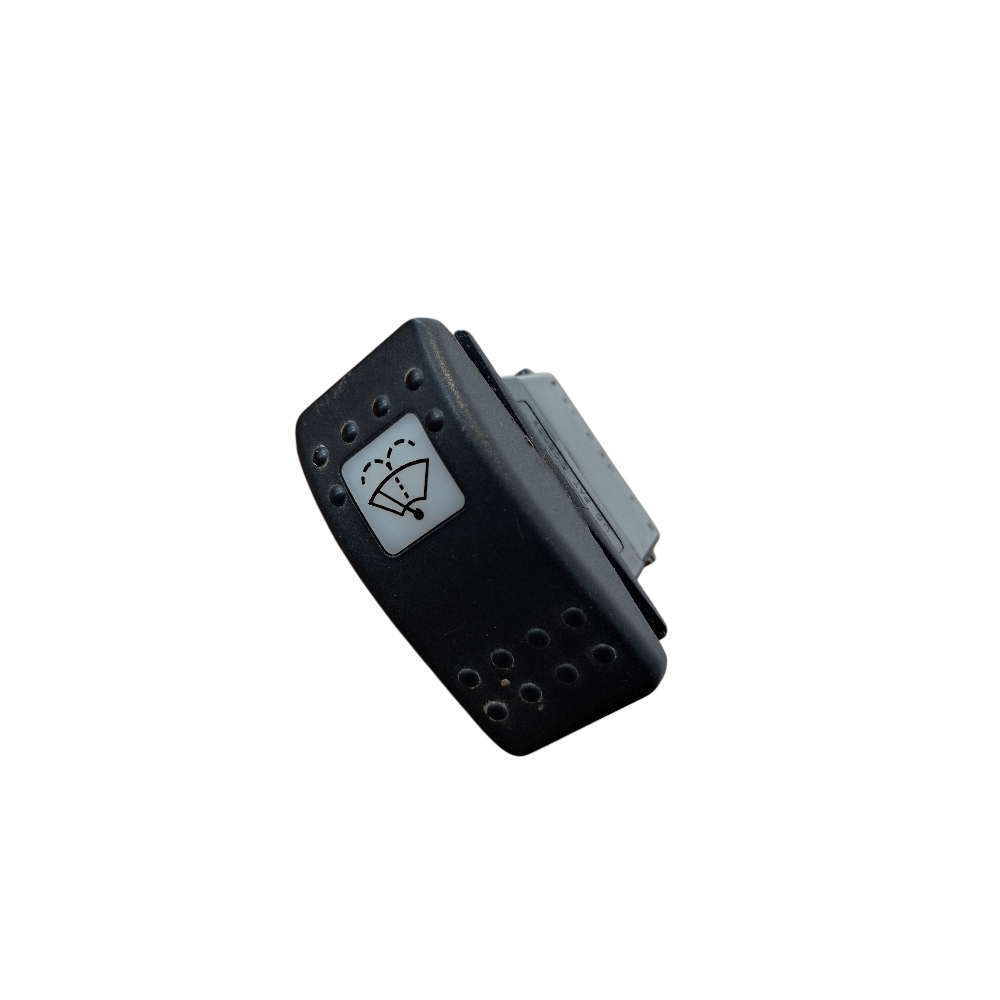
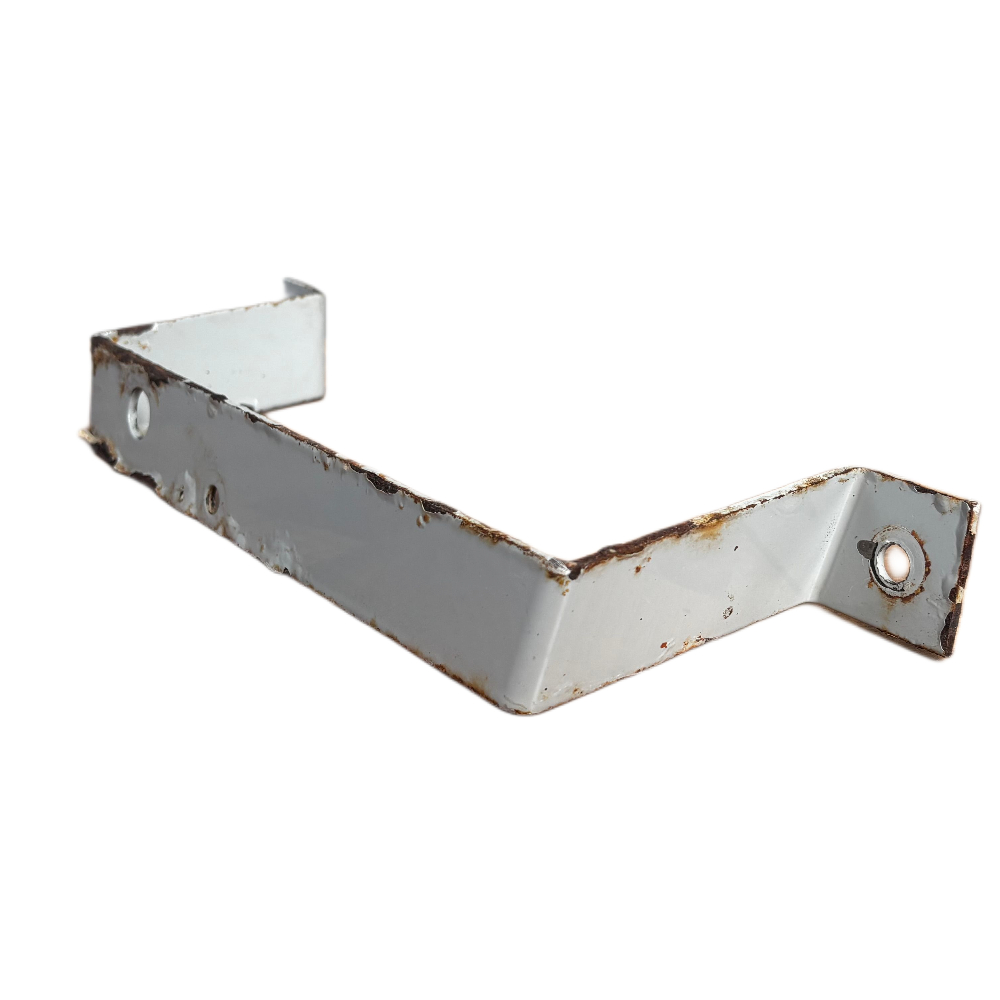
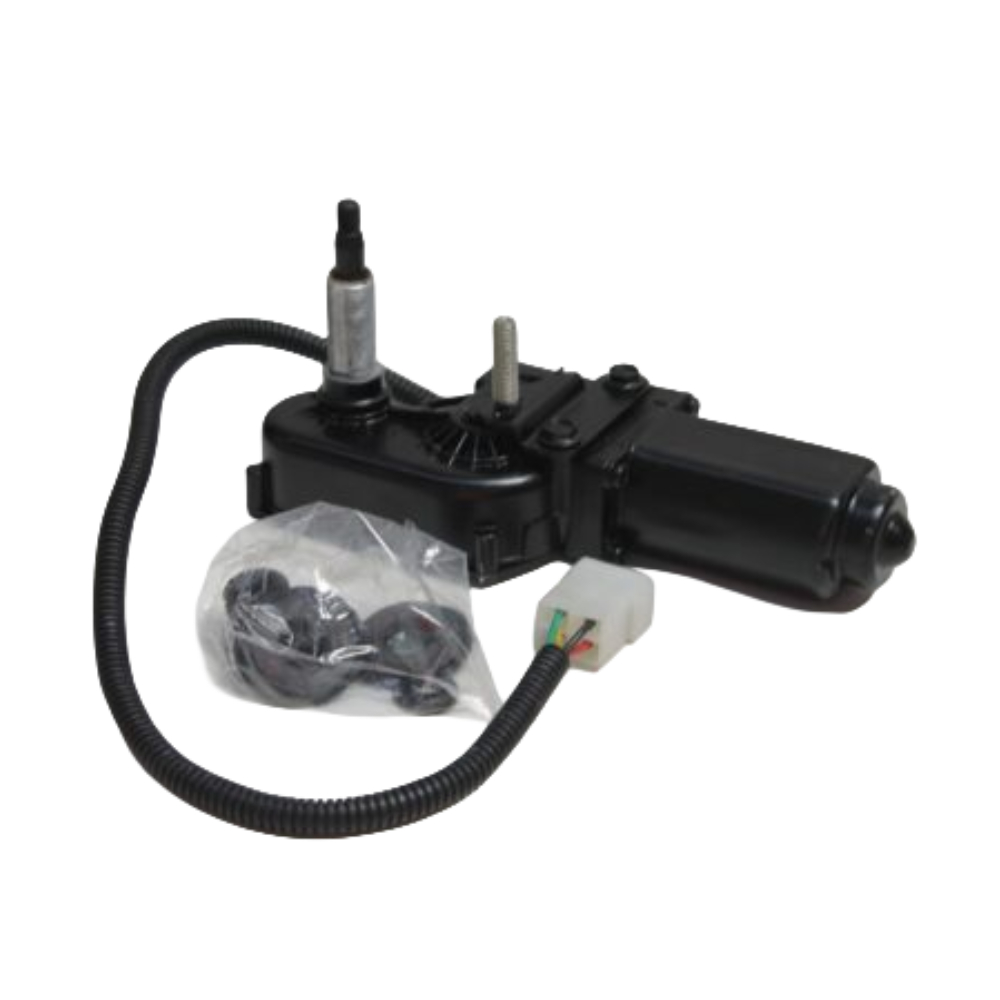
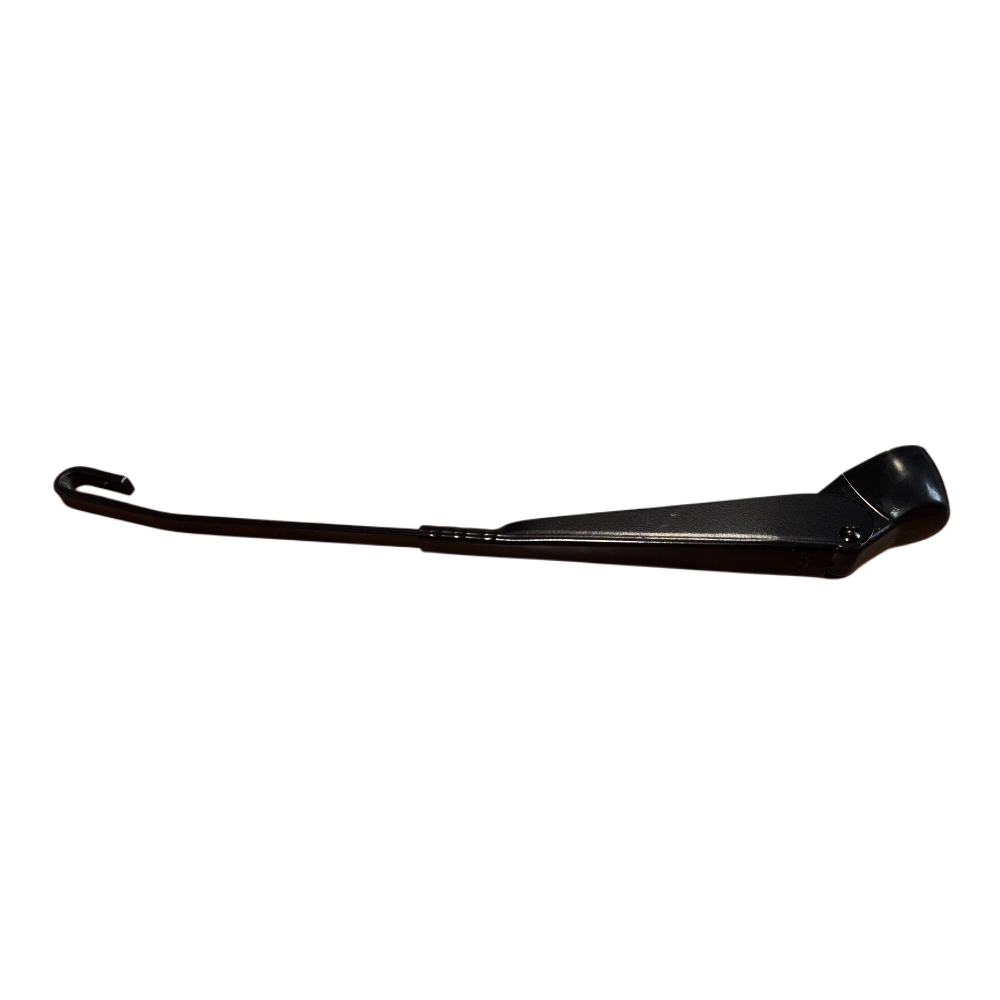



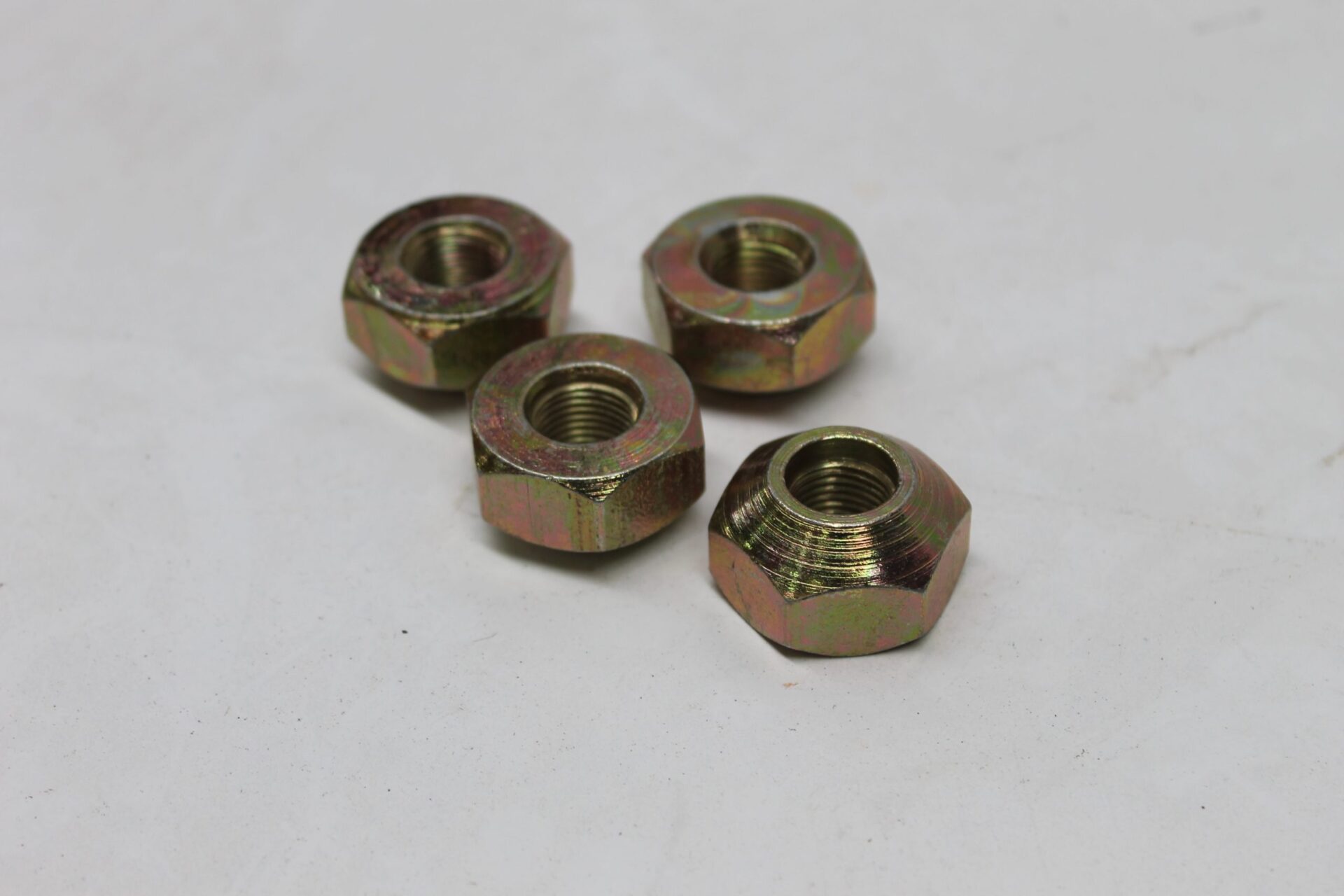
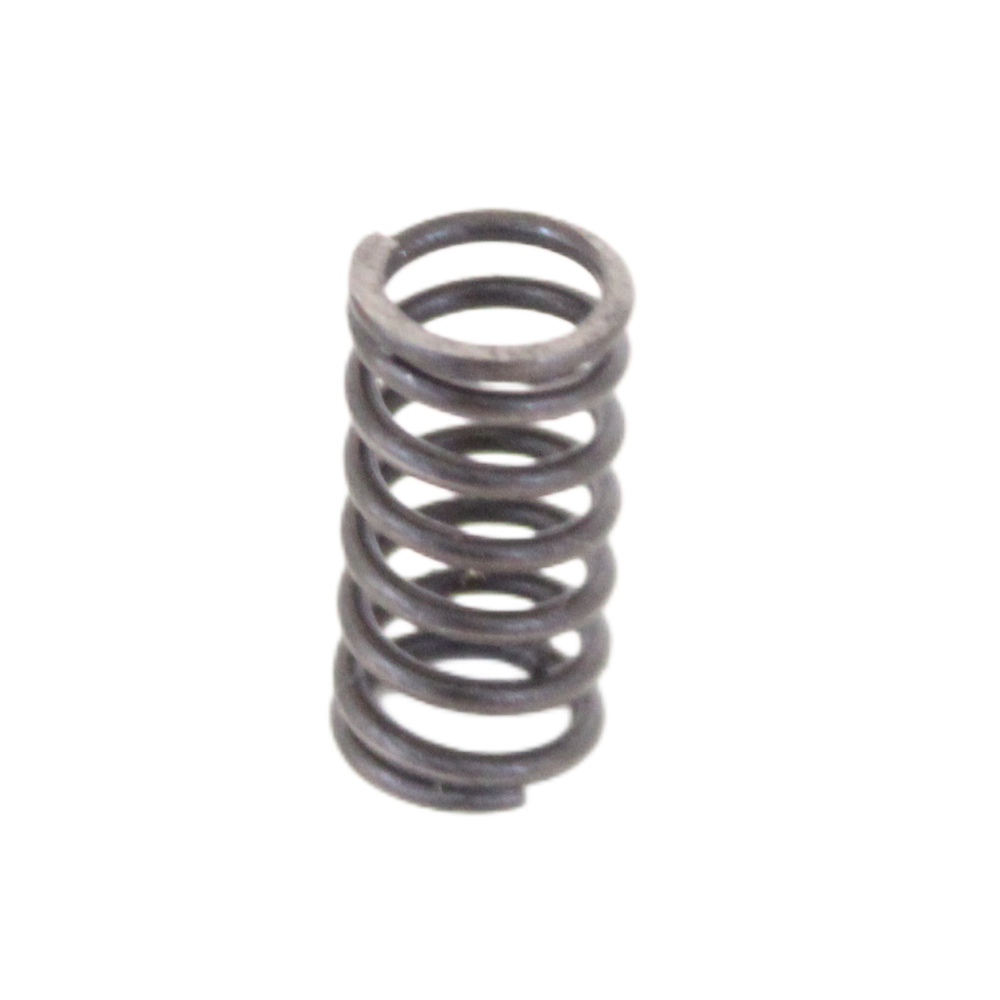
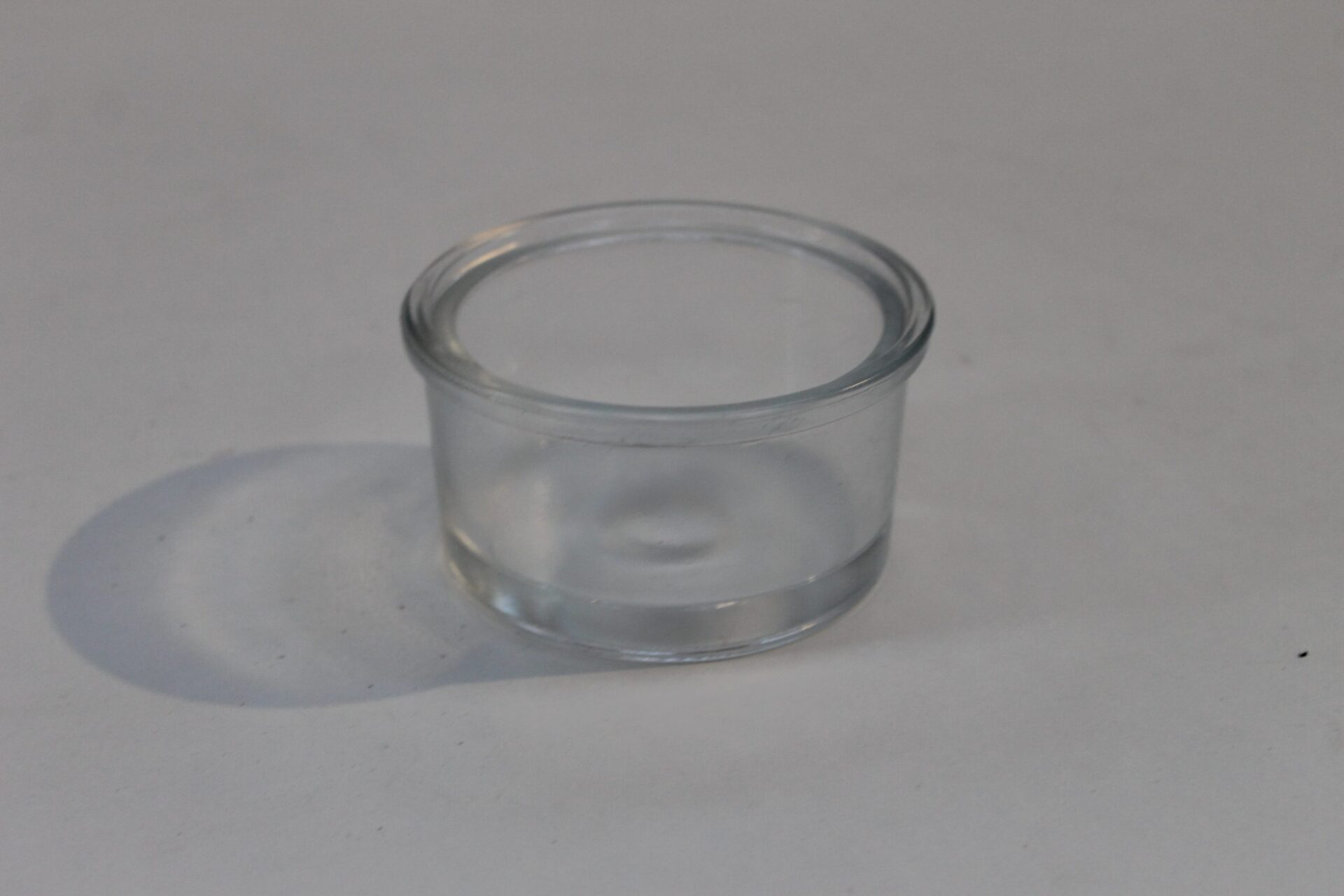
The Massey Ferguson 4360 is a versatile utility tractor that’s often called upon for loader duties, mowing, transport and mixed‑farm tasks. Because it sees regular use in demanding environments, keeping an eye on wear and tear is essential. Replacing worn components not only restores performance but also protects the engine and drivetrain from costly damage.
Typical 4360 parts that owners frequently replace include hydraulic filters, PTO shafts, brake discs, clutch kits, fuel pumps, cooling system hoses, electrical connectors and tyre sets. For those tackling major overhauls, you may require a rebuilt diesel engine block, transmission components or steering gear assemblies. Even seemingly minor items such as seals, gaskets and bushings play a vital role in maintaining the tractor’s reliability.
Choosing the right part is crucial. Incorrect fitment can lead to premature failure, safety hazards and increased downtime. Our catalogue clearly lists each component’s reference numbers and compatibility details for the 4360, allowing you to verify that the item matches your specific configuration – whether it’s a 2WD or 4WD version, a cab‑equipped model or one fitted with independent rear PTO.
Why source your 4360 parts from NMT Group? First, we stock an extensive selection of both new and quality‑checked used and refurbished items. New parts give you the confidence of factory‑grade specifications, while our used and refurbished range offers a cost‑effective alternative without compromising on performance. Every used component undergoes thorough inspection, testing and, where necessary, reconditioning to ensure it meets strict standards before it leaves our warehouse.
Our Irish base gives us strategic access to European suppliers and a robust logistics network. This means you benefit from competitive pricing, rapid order processing and reliable shipping to any destination worldwide. No matter if you’re based in the UK, mainland Europe, Africa or Australia, we can get your 4360 parts to you quickly and securely. Courier and priority shipping options, including DHL and FedEx, are available where appropriate.
Beyond the product range, we understand that tractor owners often need expert advice when selecting replacement parts. Our knowledgeable team is on hand to help you identify the correct component, explain installation basics and suggest complementary items that may extend the life of your machine. We also provide detailed part diagrams and fitment guides to simplify the ordering process.
Investing in quality 4360 parts protects your tractor’s resale value and ensures it remains productive throughout its service life. Whether you’re a farmer maintaining a single unit or a dealer managing a fleet, regular maintenance with genuine or expertly refurbished components reduces unexpected breakdowns and keeps operating costs low.
When you shop at NMT Group you also enjoy the peace of mind that comes from transparent pricing and clear return policies. All orders are processed with care, packaged to prevent damage in transit, and tracked from dispatch to delivery. Should a part not meet your expectations, our straightforward returns process makes resolution quick and hassle‑free. Goods specially ordered or electronic goods cannot be accepted back for credit.
In summary, for anyone searching for 4360 parts – be it new tractor parts, used tractor parts or refurbished tractor parts – NMT Group offers a reliable, cost‑effective solution backed by specialist knowledge, worldwide shipping and a commitment to keeping your Massey Ferguson 4360 operating at its best.
FAQs
What type of work is the MF 4360 best suited to?
The Massey Ferguson 4360 is a 4300 Series utility tractor built from 2001 to 2003, designed for loader work, mowing, transport, and general mixed-farm duties. It is commonly listed with a 6.0-litre Perkins 6-cylinder diesel at about 99 hp, which puts it in a useful bracket for farms that want straightforward pre-emissions power without stepping into a much heavier tractor.
What engine and transmission options should a buyer expect?
Most spec references list the 4360 with a Perkins 6.0L diesel and note that transmission choice can vary by tractor. TractorData lists a 12-speed Speedshift, while other spec references also describe 24-speed power shuttle versions, so it is important to confirm the exact gearbox fitted before buying.
If steering feels heavy or notchy, what usually deserves checking first?
Steering feel is one of the practical areas worth testing carefully. In one owner-reported 4360 case, a tractor that felt like 4WD was dragging in turns and had vibration through the steering drew replies focused on whether the steering became stiff left to right and whether the issue changed with oil temperature, with one experienced response pointing straight at the pump. That makes steering smoothness, especially once warm, an important part of any test drive.
Why do buyers pay close attention to hydraulic performance on this model?
Because the 4360’s hydraulic setup can vary and hydraulic condition affects everything from steering feel to loader performance. Reference data shows an open-centre hydraulic system, with sources listing standard and optional pump-flow figures, so a healthy tractor should feel consistent rather than slow or weak. Broader Massey hydraulic advice also points to plugged suction strainers as a recurring cause of poor hydraulic behaviour on later Massey models.
If shifting becomes difficult or engagement feels rough, is that a known warning sign?
Yes — poor shifting is something to take seriously on a used 4360. Troubleshooting references for the model point to common causes of hard shifting such as rusty or worn shift linkage, clutch adjustment or wear, bent shift forks, and contaminated or low transmission oil. That does not mean every awkward shift points to a major rebuild, but it does mean gear selection should feel clean and predictable when you test the tractor.
What should be checked most carefully before buying a used MF 4360?
The smartest inspection points are cold starting, smooth gear selection, steering feel when warm, hydraulic response under load, and the condition of the transmission and hydraulic oil system. It is also worth confirming whether the tractor is 2WD or 4WD, whether it has the standard Speedshift or another gearbox variant, and whether the machine has been used heavily on loader work, as those details can change both the driving feel and the likely wear points.