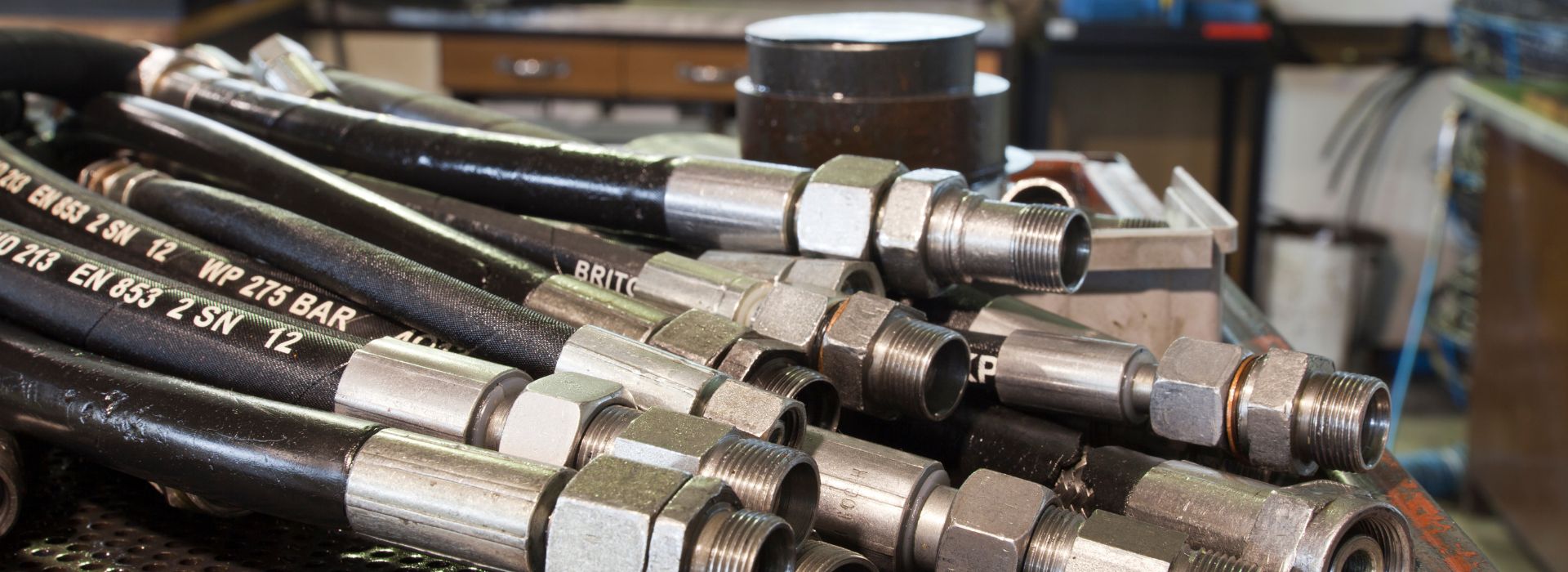
When it comes to maintaining the performance and longevity of your Massey Ferguson tractor, one component you cannot overlook is the hydraulic hose system. The hydraulic system is the powerhouse behind your loader, rear implements, and steering mechanisms. And at the heart of this system lie the Massey Ferguson hydraulic hoses and hydraulic hose fittings that channel fluid under high pressure to perform essential tasks.
Whether you’re a seasoned farmer or a new tractor owner, understanding how to care for and extend the life of your Massey Ferguson hydraulic hose fittings can save you time, money, and prevent costly downtime. In this post, we’ll cover expert maintenance tips, signs of wear, and proactive strategies to keep your hydraulic system in top condition.
-
Understand the Role of Hydraulic Hoses in Your Tractor
Massey Ferguson hydraulic hoses carry pressurised fluid to various components of the tractor, such as the lift arms, hydraulic cylinders, and power steering units. These hoses are made of multiple layers of rubber, steel braiding, and textile reinforcements to handle the intense pressures that your tractor faces during heavy-duty operations.
The Massey Ferguson hydraulic hose fittings are critical connectors that ensure a leak-proof, high-pressure connection between hoses and metal parts such as valves, pumps, and cylinders. If a hose fails, it can lead to fluid loss, equipment damage, and even serious safety hazards.
-
Regularly Inspect Hydraulic Hoses and Fittings
One of the simplest yet most effective ways to extend the life of Massey Ferguson hydraulic hoses is to visually inspect them on a regular basis. Ideally, this should be done before and after each use, especially if you operate your tractor daily or under heavy workloads.
What to look for:
- Cracks, cuts, or abrasions in the outer layer of the hose
- Wet spots indicating leaks near massey ferguson hydraulic fittings
- Bulges or blisters, which are signs of internal hose damage
- Rust or corrosion around metal fittings and couplers
- Loose or damaged clamps and brackets
-
Use Genuine or High-Quality Economic Hydraulic Hose Fittings
While genuine Massey Ferguson hydraulic hose fittings are the gold standard for performance and compatibility, we understand that budget constraints can be a factor—especially when operating multiple machines. That’s where high-quality economic parts come in.
Genuine fittings are engineered specifically for Massey Ferguson tractors, offering a perfect fit, optimal pressure tolerance, and long-term reliability. However, economic alternatives—when sourced from reputable suppliers—can offer reliable performance at a more affordable price point. These cost-effective options are especially useful for secondary or older tractors where premium components may not be essential.
Regardless of the route you choose:
- Ensure all fittings match correct thread types and pressure ratings.
- Avoid cheap imports with poor tolerances or low-grade materials.
- Work with trusted suppliers who specialise in Massey Ferguson hydraulic hose fittings to ensure safety and durability.
-
Protect Hoses from External Damage
Hydraulic hoses are built tough, but external factors can accelerate wear and tear. To extend the life of your massey ferguson hydraulic hoses, consider the following protection strategies:
- Install hose guards or sleeves: These protective wraps shield the hose from abrasion, UV rays, and extreme temperatures.
- Avoid tight bends and kinks: Routing your hoses with smooth curves prevents internal stress and cracking.
- Secure hoses with clamps: Prevent hoses from flopping or rubbing against sharp edges or moving parts.
- Keep hoses away from hot engine components: Excessive heat can degrade the rubber and cause premature failure.
-
Monitor Operating Temperatures and Pressure Ratings
Every Massey Ferguson hydraulic hose is rated for a specific temperature and pressure range. Operating your hydraulic system beyond these limits can shorten hose life significantly.
Tips to maintain optimal conditions:
- Check fluid levels and temperature regularly, especially during summer or prolonged operations.
- Never exceed the maximum pressure rating for the hose or fittings.
- Use the right hydraulic fluid specified by Massey Ferguson for your tractor model.
-
Replace Hoses Before They Fail
Hydraulic hoses have a finite lifespan, even under ideal conditions. Most experts recommend replacing hoses every 5–7 years, depending on use and environmental exposure. However, visible wear, performance changes, or fluid leaks are signs that immediate replacement is necessary.
-
Keep Connections Clean During Maintenance
Even small contaminants like dirt or metal shavings can damage seals, clog valves, or erode pump surfaces. Clean fittings and hose ends with a lint-free cloth before reconnecting and use dust caps on exposed lines.
-
Keep Spare Hoses and Fittings On-Hand
Downtime during the busy season can be costly. Keep commonly used Massey Ferguson hydraulic hoses and fittings in stock for quick replacements.
-
Work With a Trusted Hydraulic Specialist
If you’re unsure how to identify the correct massey ferguson hydraulic hose fittings or need help routing hoses properly, don’t hesitate to reach out to a specialist. Many equipment dealers and parts suppliers offer custom hose fabrication services that ensure a perfect fit every time.
What Parts Are Required to Keep the Hydraulic System Running Efficiently?
Keeping the hydraulic system in your Massey Ferguson tractor running at peak performance involves maintaining and replacing a number of key components. Here are the essential parts to monitor:
- Hydraulic Hoses
The lifelines of the hydraulic system, these carry fluid under high pressure to various components. Always use high-quality Massey Ferguson hydraulic hoses to ensure proper fit and durability.
- Hydraulic Hose Fittings & Couplers
Vital for leak-free connections, Massey Ferguson hydraulic hose fittings and quick couplers must match the system’s specifications to maintain safety and efficiency.
- Hydraulic Fluid (Oil)
The fluid transmits power and lubricates moving parts. Use only approved hydraulic oils like AGCO Hy-Tran or equivalents to ensure compatibility and performance.
Filters trap debris and contaminants. Replace them regularly to avoid clogged lines and wear on hydraulic components.
This pressurises the fluid. A failing pump results in sluggish or jerky operation and must be repaired or replaced promptly.
These direct fluid where needed. Keep them clean and inspect for wear to ensure precise control of implements.
Responsible for converting fluid pressure into mechanical action. Look out for leaks, pitting, or slow operation.
Prevents over-pressurisation. If faulty, it can damage hoses or fittings.
- Reservoir (Hydraulic Tank)
Stores fluid and allows heat dissipation. Ensure its topped off and sealed from contaminants.
These prevent leaks at every connection point. Always use compatible, high-quality seals during repairs.
Quick Tip: Keep spare hoses, fittings, O-rings, and filters on hand during peak farming seasons to minimise downtime.
To Finish Off
Hydraulic hoses are the lifeline of your Massey Ferguson tractor’s performance. With regular inspections, proper part sourcing, and smart maintenance habits, you can significantly extend the service life of your Massey Ferguson hydraulic hoses and fittings. Not only will this improve your tractor’s reliability, but it will also reduce unexpected costs and keep your operations running smoothly during the most critical farming periods.
Investing in genuine or economic Massey Ferguson hydraulic hose fittings and maintaining them properly is not just good practice—it’s essential for long-term success in the field.
Need help finding parts or building a custom hydraulic maintenance kit? Visit our website masseyparts.com to purchase essential parts or contact us for expert guidance.