The Massey Ferguson 5455 Tier 3 is a versatile 5400 Series utility tractor prized for its compact size and robust capability across mixed‑farm tasks. Whether you need to keep the loader running, maintain mowing equipment or simply replace worn components, our catalogue offers a comprehensive range of 5455 Tier 3 parts. From brand‑new OEM items to carefully inspected used components and fully refurbished units, we have the replacement tractor parts you require to keep your machine operating at peak performance. Browse our selection today and benefit from fast shipping worldwide from our Irish base.


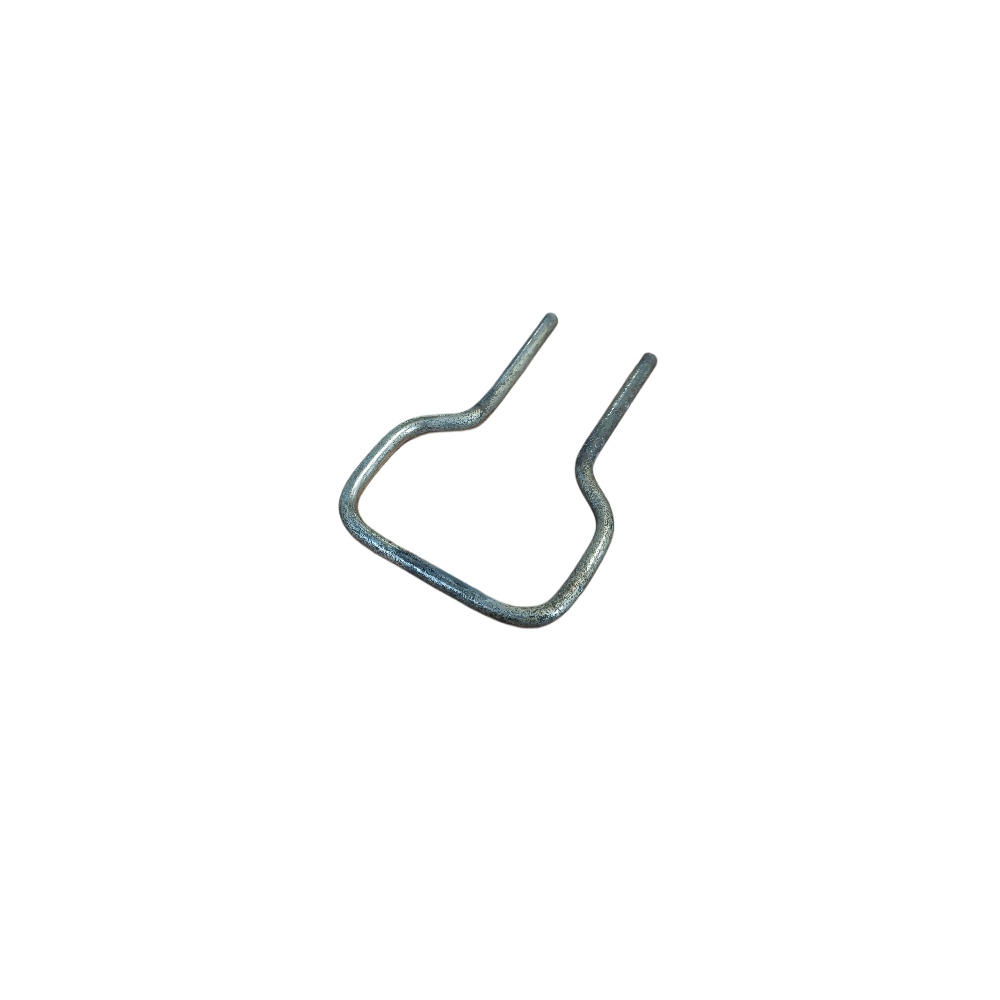
Keeping a Massey Ferguson 5455 Tier 3 in top condition means sourcing the right parts when they’re needed. Routine maintenance, unexpected breakdowns or upgrades all call for reliable replacement components that fit precisely and perform as designed. At NMT Group you’ll find an extensive inventory covering every major system of the 5455 Tier 3 – from engine and transmission elements to hydraulic, electrical and cab accessories.
**Engine and Powertrain**
The heart of the 5455 Tier 3 is its 4.4‑litre Perkins diesel unit, and we stock a full suite of components such as air filters, fuel injectors, glow plugs, oil pumps and gaskets. Whether you prefer new OEM parts for guaranteed durability or high‑quality used items that offer cost savings, each component meets the original specifications to ensure seamless integration.
**Transmission and PTO**
The 16‑speed gearbox and independent rear PTO are critical for delivering power to implements. We supply gear sets, shift forks, clutch plates, PTO shafts and seals – all tested for fitment on the Tier 3 model. Refurbished transmission parts provide a reliable alternative when new stock is limited, extending the life of your drivetrain without compromising performance. Courier and priority shipping options, including DHL and FedEx, are available where appropriate.
**Hydraulics and Steering**
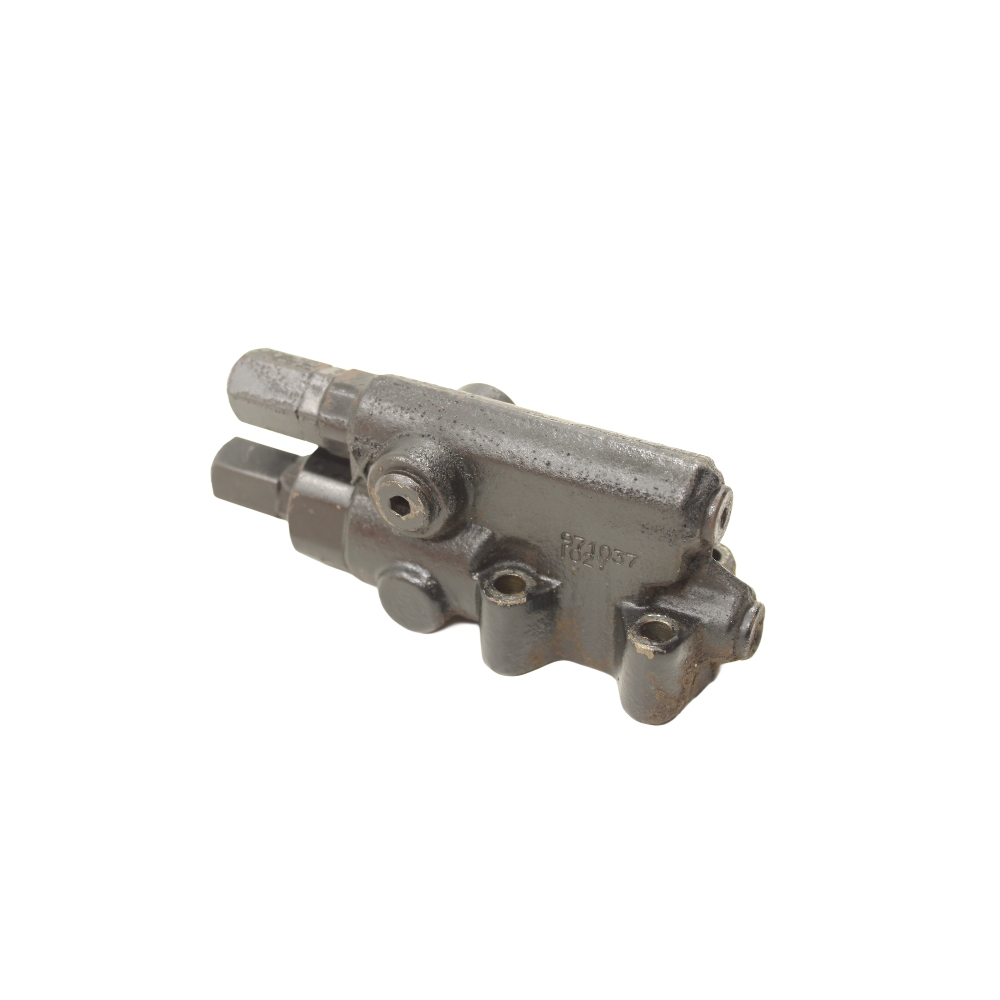
Depending on specification, the 5455 Tier 3 may feature open‑centre or closed‑centre hydraulic circuits. Our range includes pump assemblies, control valves, hoses, cylinders and steering gearboxes. Correct hydraulic fitment is essential for smooth operation of loaders, three‑point lifts and other attachments; our parts are vetted to match the exact pressure ratings and flow requirements of the Tier 3 system.
**Electrical and Cab Components**
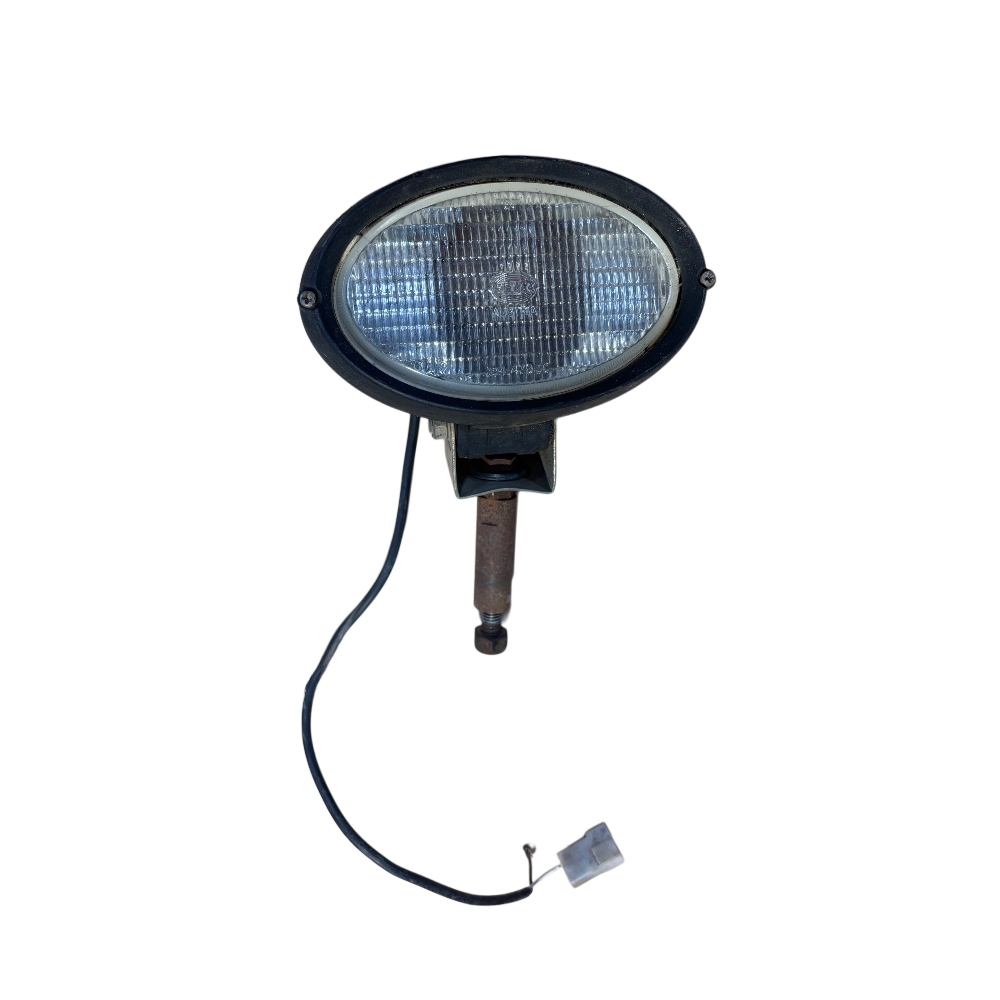
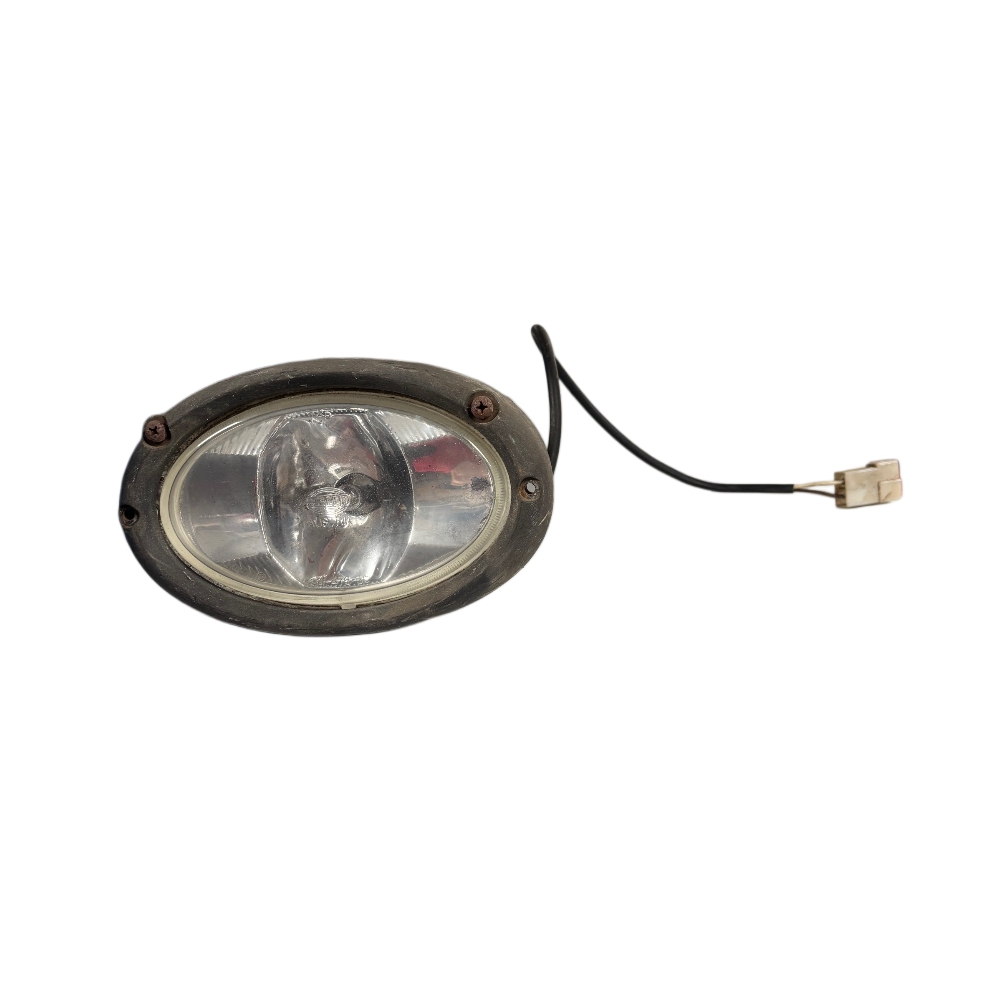
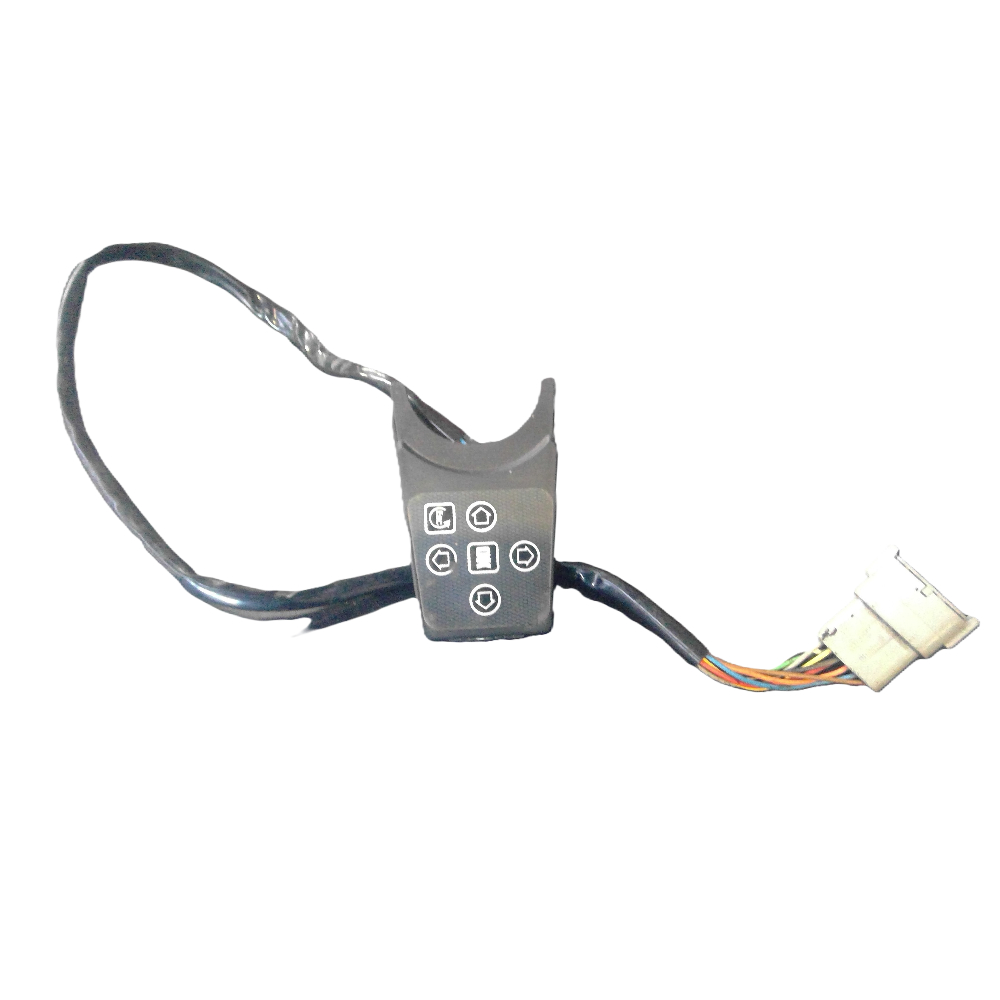
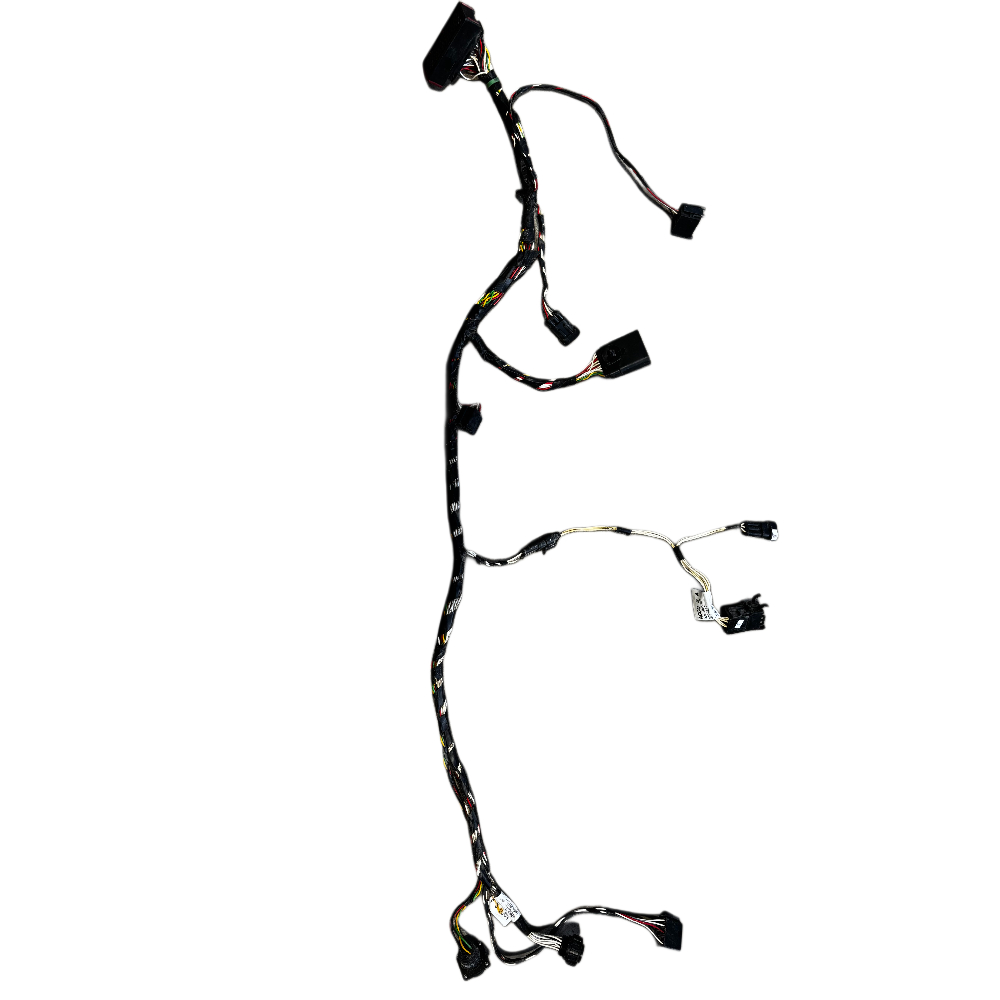
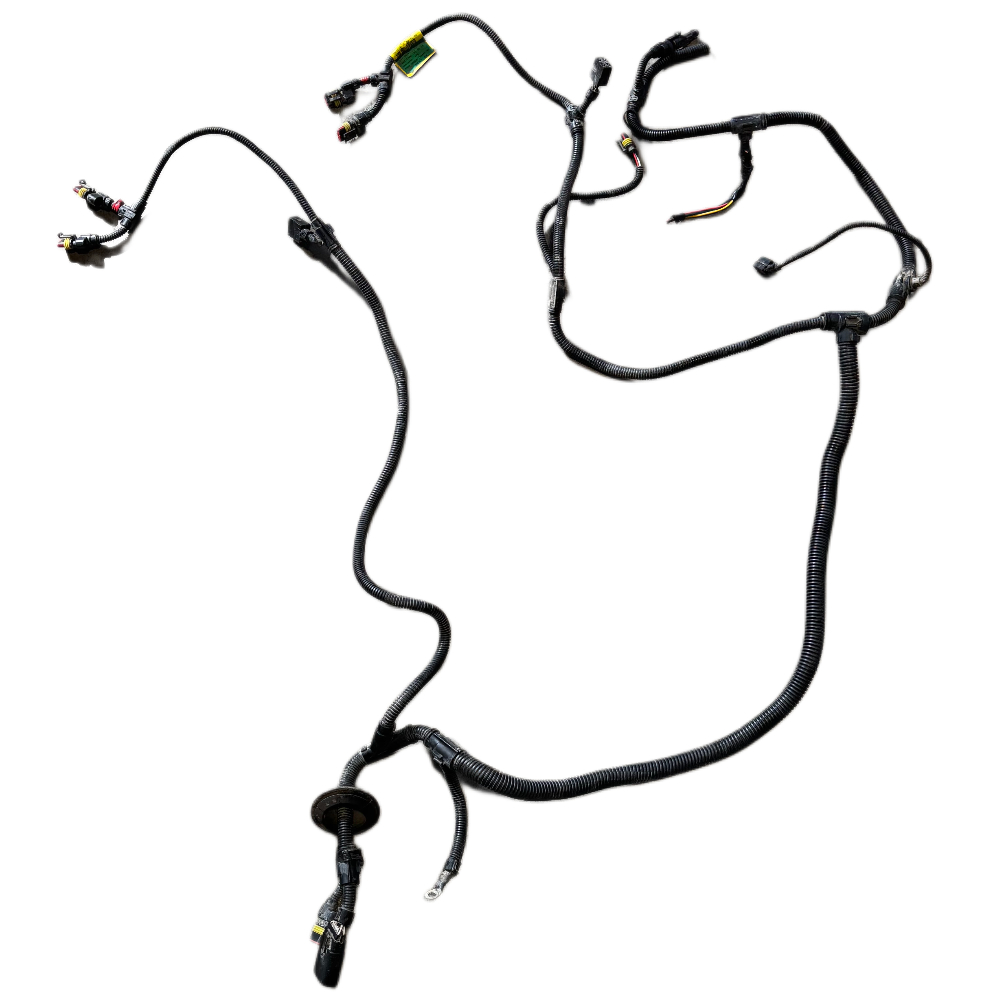
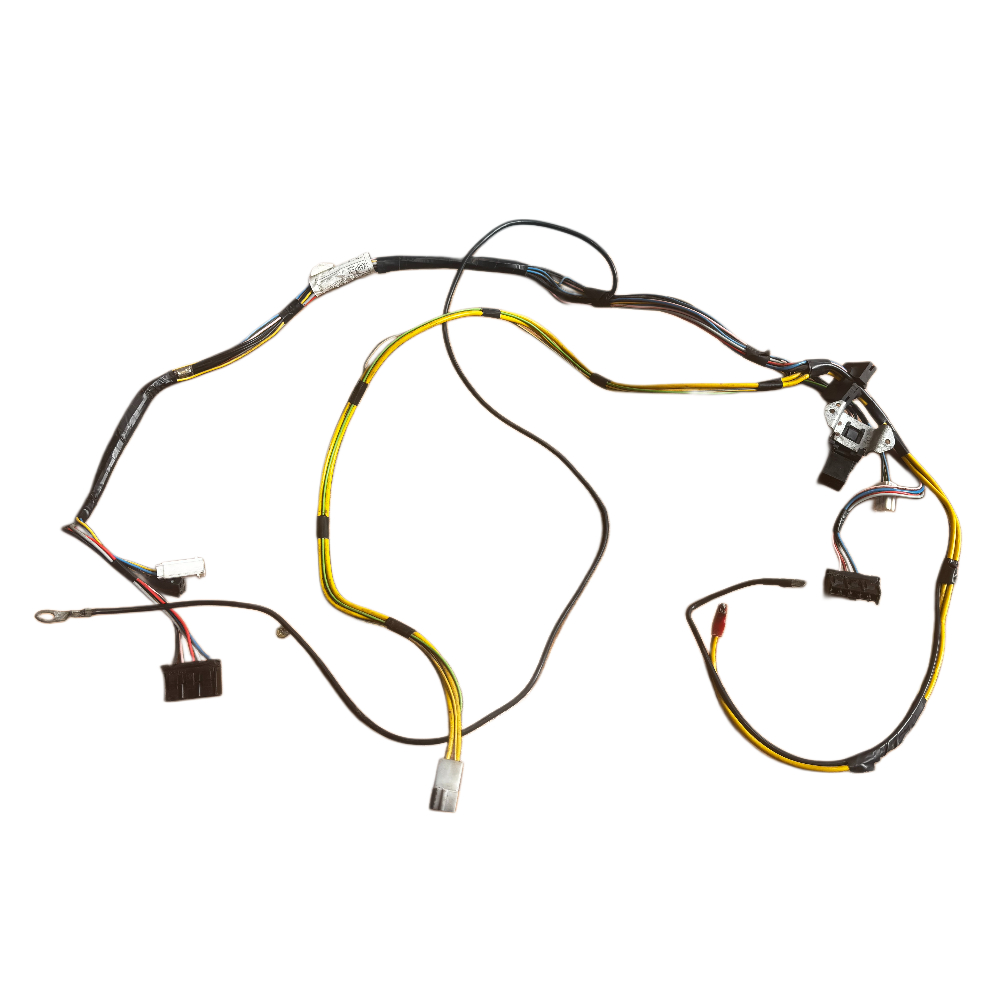
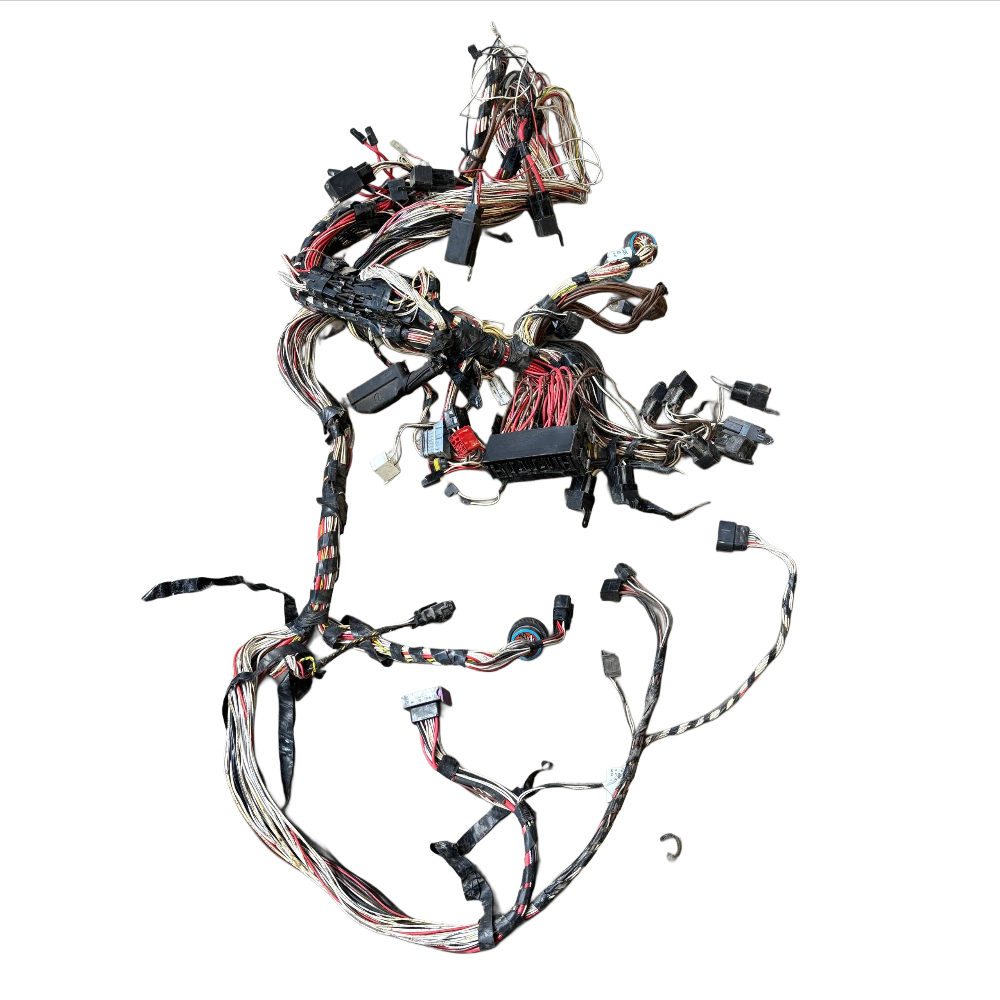
From wiring harnesses and relays to dashboard gauges, lights and seat assemblies, we carry both new and refurbished electrical components. Using genuine or approved equivalents helps prevent intermittent faults that can lead to costly downtime. All cab parts are designed for the 5455 Tier 3 cabin layout, ensuring a hassle‑free installation.
**Undercarriage and Wheels**
tyres, rims, brake drums, linings and axle components are available to keep your tractor moving safely on any terrain. Our used tyre selections are inspected for tread depth and structural integrity, while new wheels meet the original load ratings required by the Tier 3 chassis.
Choosing the right part is only half the battle – sourcing it from a trusted supplier matters just as much. Based in Ireland, NMT Group combines local expertise with a global logistics network, allowing us to ship tractor parts worldwide quickly and securely. Our team understands the nuances of Massey Ferguson equipment and can advise on compatibility, fitment and the most appropriate condition (new, used or refurbished) for your budget and application.
We also offer competitive pricing that reflects the best value across all part categories. By consolidating new, used and refurbished stock in one place, we reduce the time you spend searching multiple suppliers and minimise the risk of ordering incorrect items. Each product listing includes detailed specifications, part numbers and condition notes, so you can make an informed decision before purchase.
When it comes to maintaining a Massey Ferguson 5455 Tier 3, reliable parts are essential for preserving productivity and extending the tractor’s service life. Whether you run a small family farm or manage a larger agricultural operation, our extensive selection of 5455 Tier 3 parts ensures that you have access to the components needed for repairs, routine servicing or performance upgrades.
Visit NMT Group today to explore our catalogue of 5455 Tier 3 tractor parts. With fast worldwide shipping from Ireland and a commitment to quality across new, used and refurbished offerings, we are your one‑stop source for keeping your Massey Ferguson running strong.
FAQs
What kind of farm work is the MF 5455 Tier 3 best suited to?
The Massey Ferguson 5455 Tier 3 is a 5400 Series utility tractor built for loader work, mowing, transport, baling, and general mixed-farm duties. Later Tier 3 examples are commonly listed with a 4.4-litre Perkins 1104D four-cylinder diesel at about 105 hp gross, which gives the tractor a strong balance of manoeuvrability and everyday working power.
What engine and transmission setup should buyers expect?
Tier 3 versions are generally associated with the 4.4L Perkins common-rail engine and transmission options centered around Dyna-4 power shuttle on many tractors, with the 5455 model family spanning 2005–2013 across both Tier 2 and Tier 3 periods. That is why it is important to confirm that a tractor is the later Tier 3 version rather than the earlier Tier 2 machine before judging specs or parts compatibility.
Is the 5455 Tier 3 generally considered a good used tractor?
In general, yes. The 5455 is widely seen as a practical all-rounder with a comfortable cab, useful loader potential, and a sensible size for day-to-day work. The biggest difference between a strong example and a costly one usually comes down to transmission behaviour, hydraulic performance, and service history, rather than the basic design itself.
If the shuttle becomes lazy or drive is delayed after pressing the clutch, where should attention go first?
One of the first things to check is the clutch-switch and transmission control side of the tractor. Massey specialist repair guidance says the bottom-of-clutch switch can cause a loss of drive after the pedal is depressed, and a 5455 Dyna-4 case also describes a lazy clutch response where drive takes a second or more to return after using the pedal. That makes smooth clutch take-up and clean shuttle response especially important during a test drive.
Why do buyers pay close attention to hydraulics and warning lights on this model?
Because hydraulic symptoms can reveal larger issues before they become expensive repairs. A documented 5455 Dyna-4 case describes a tractor where the loader and spools still worked, but the rear arms would not lift properly unless the engine was at full revs, while another 5455 case describes triangle and hydraulic warning lights flashing after a service. In practical terms, rear-lift performance, hydraulic response, and warning-light behaviour should all be taken seriously.
What should be checked most carefully before buying a used MF 5455 Tier 3?
The smartest inspection points are cold starting, smooth Dyna-4 or shuttle engagement, clean clutch response, full rear-lift operation, and steady hydraulic performance once warm. It is also worth checking whether the tractor has any history of loss of power or limp-home behaviour, because one 5455 ownership case describes the tractor briefly pulling, then dropping into limp-home mode with an air/blow-off noise when driven on the road.