The Massey Ferguson 5425 Tier 3 is a versatile 5400‑Series utility tractor prized for loader work, mowing and mixed‑farm duties. At NMT Group you’ll find a comprehensive range of genuine 5425 Tier 3 parts – from brand‑new components to quality used and refurbished alternatives – all selected to keep your tractor running smoothly. Whether you need a replacement engine filter, hydraulic hose, transmission gear or electrical connector, our catalogue is organised by model so you can quickly locate the exact part that fits the 5425 Tier 3. Based in Ireland and shipping worldwide, we make it simple for owners and service technicians everywhere to source reliable tractor parts at competitive prices.
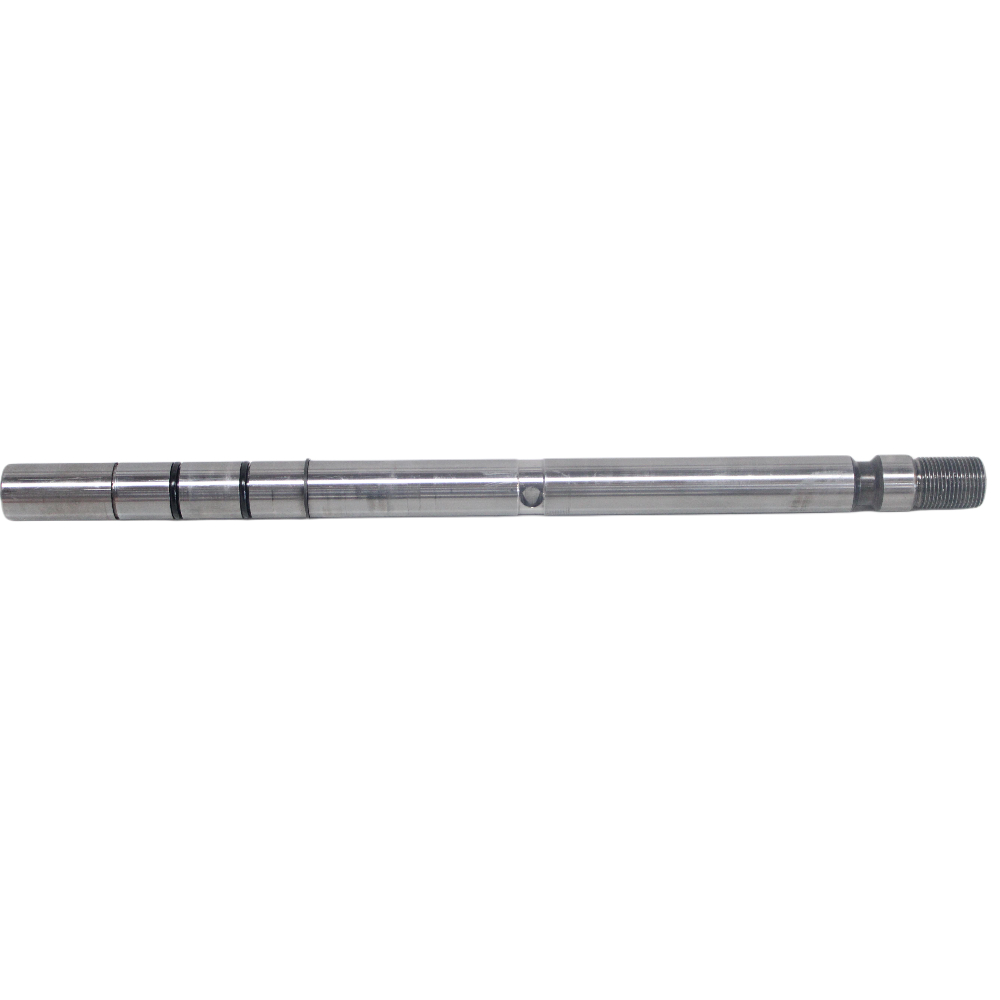
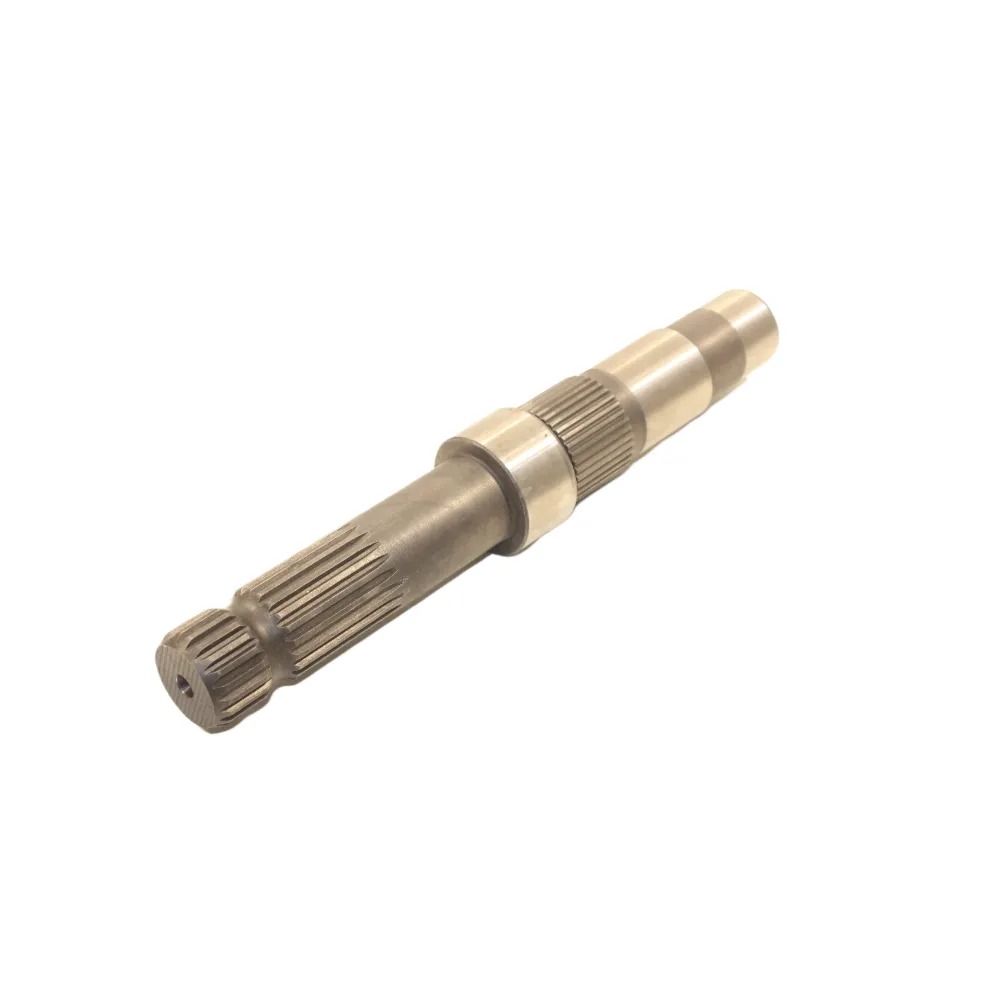
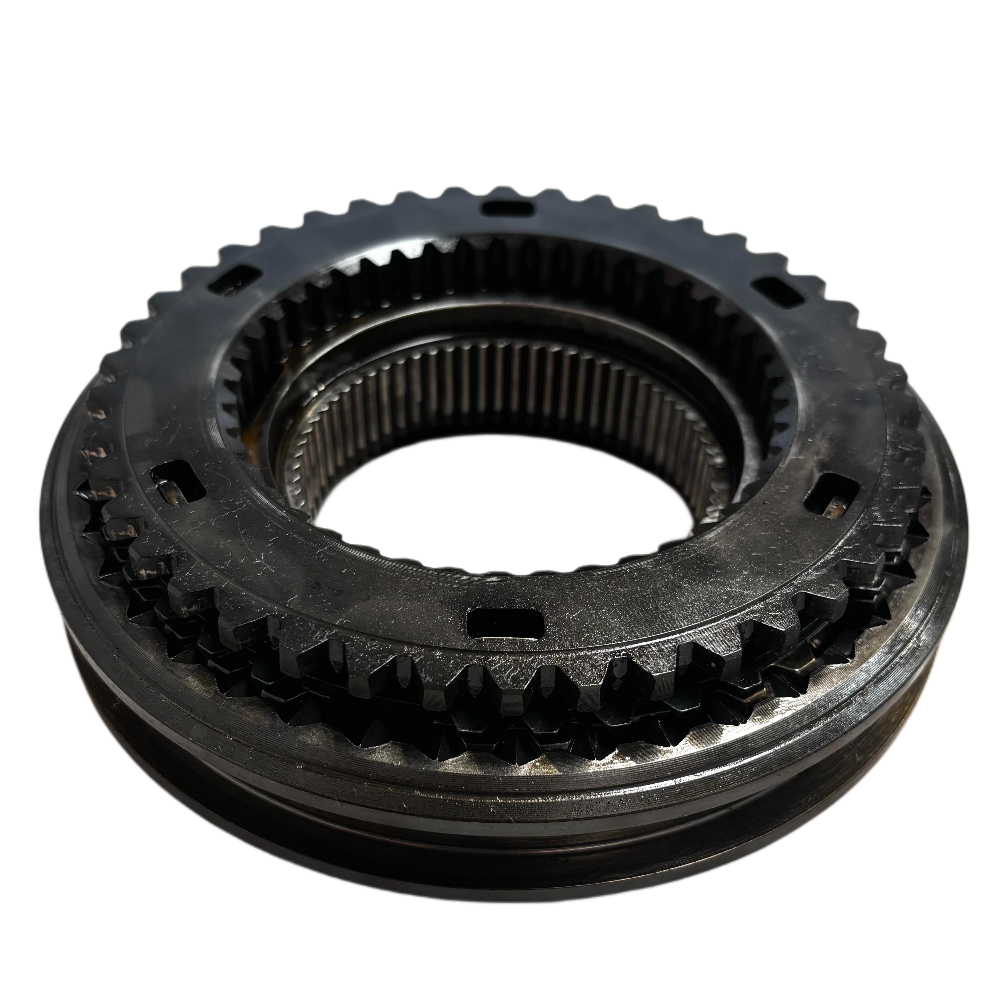

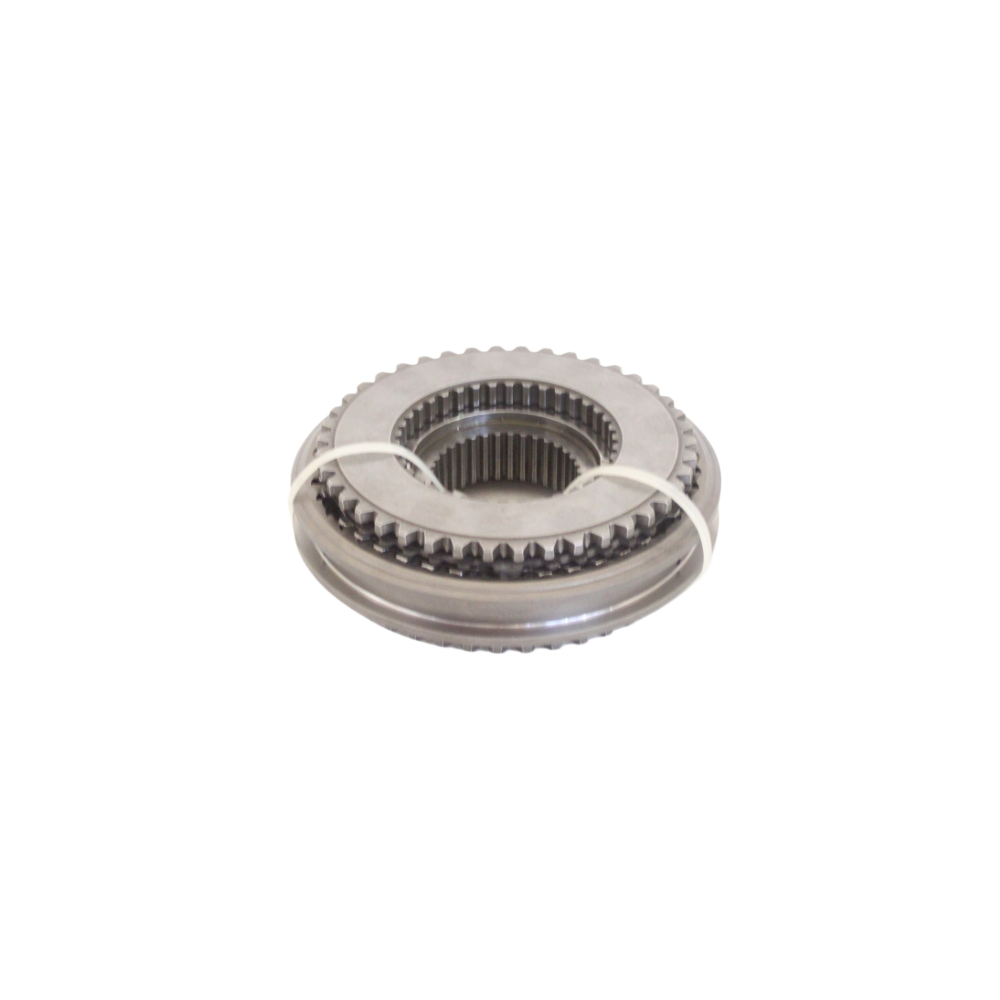

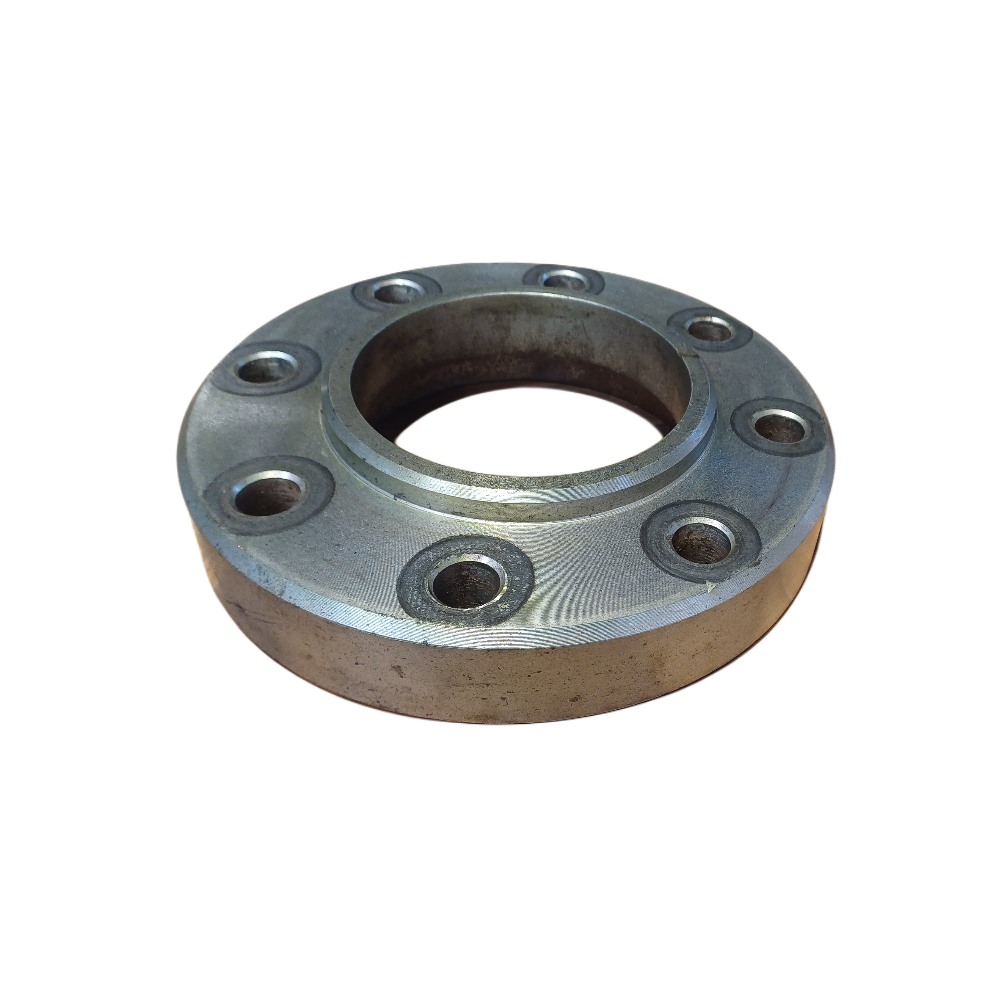
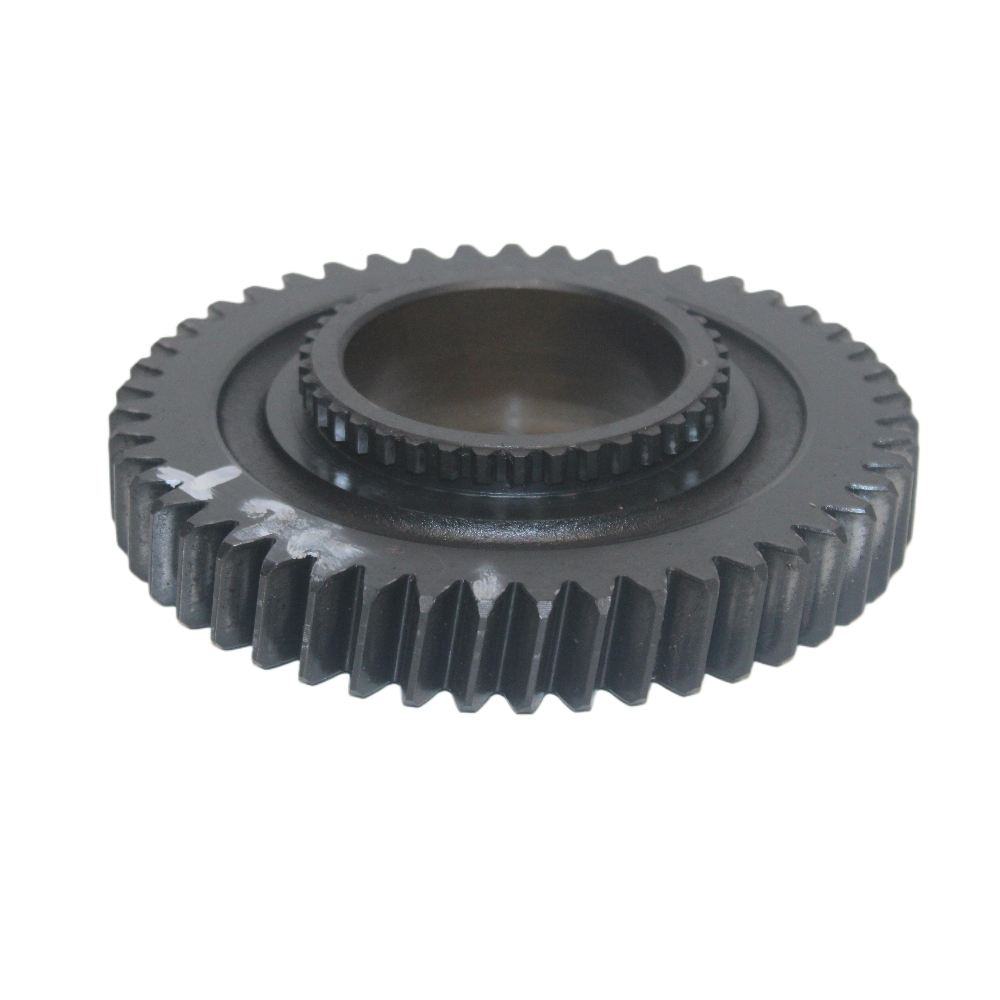
Keeping a Massey Ferguson 5425 Tier 3 operating at peak performance depends on using the right replacement parts. Over time the tractor’s high‑use components – such as the Dyna‑4 gearbox, PTO shafts, fuel system elements and cooling system parts – can wear or fail, leading to downtime that affects productivity on any farm. By choosing parts that are specifically designed for the 5425 Tier 3 you ensure proper fitment, maintain factory specifications and avoid costly re‑work.
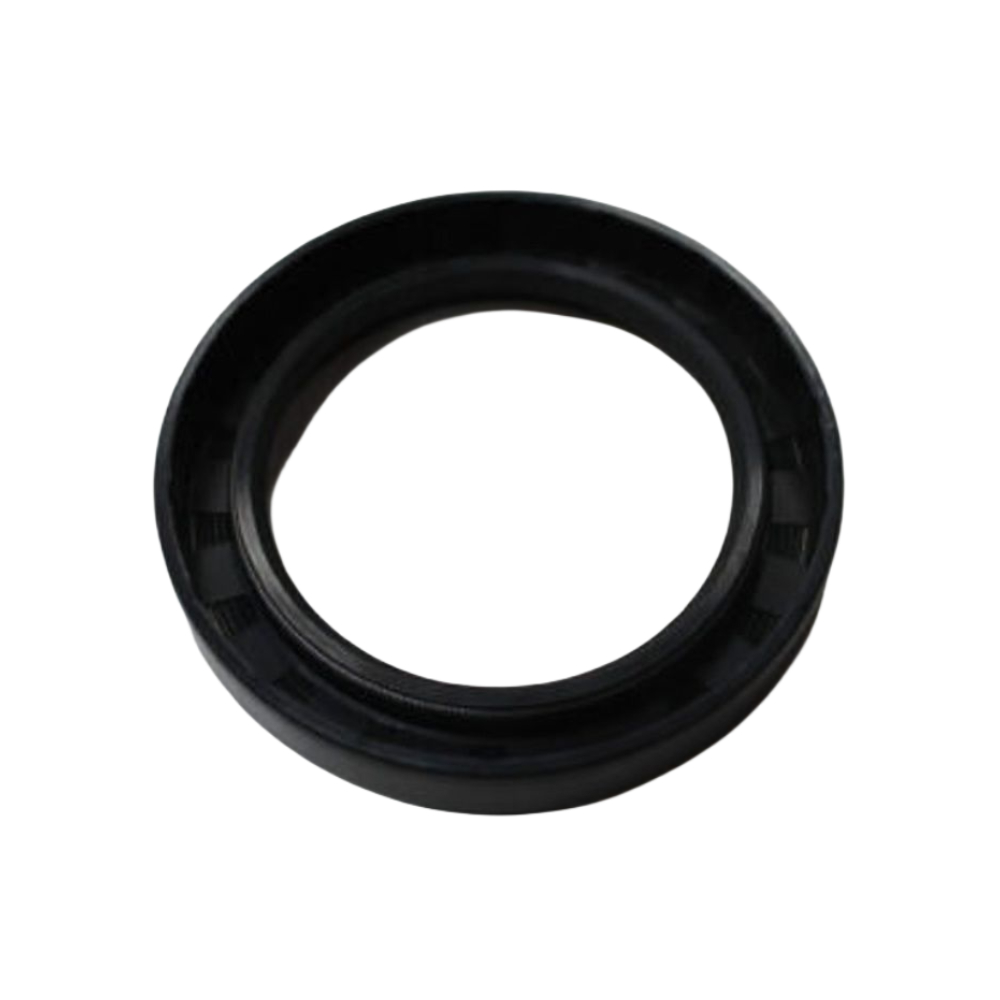
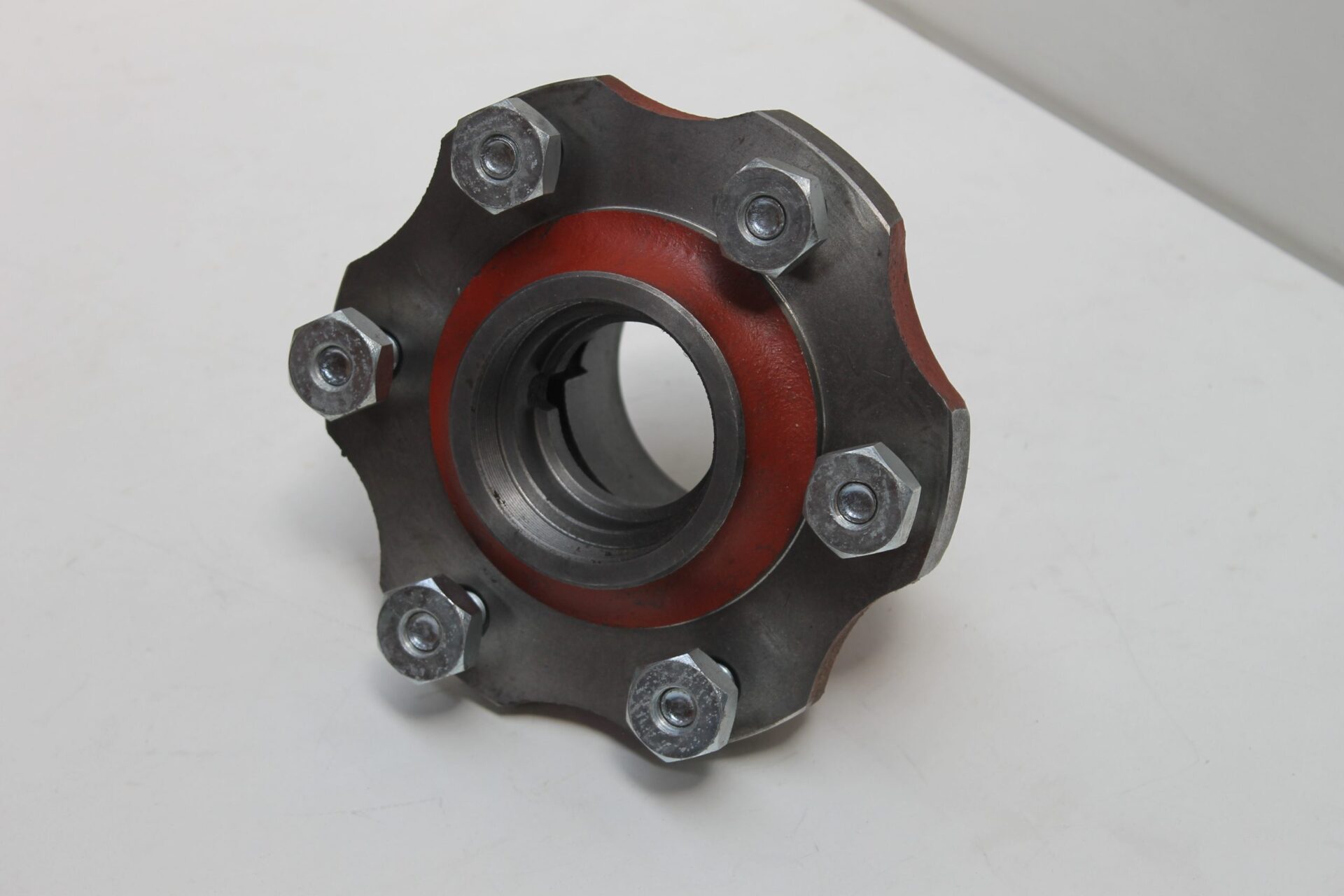
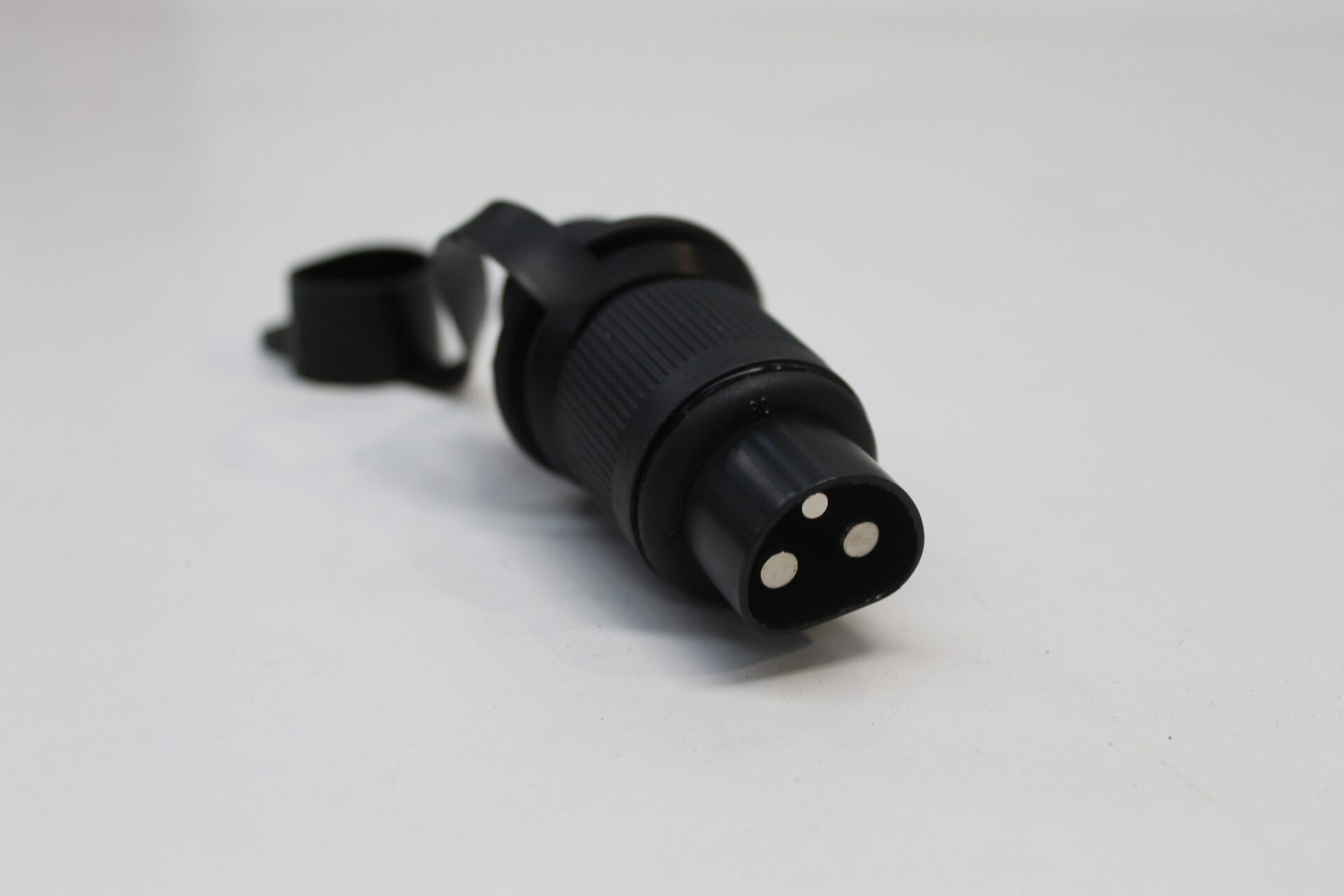
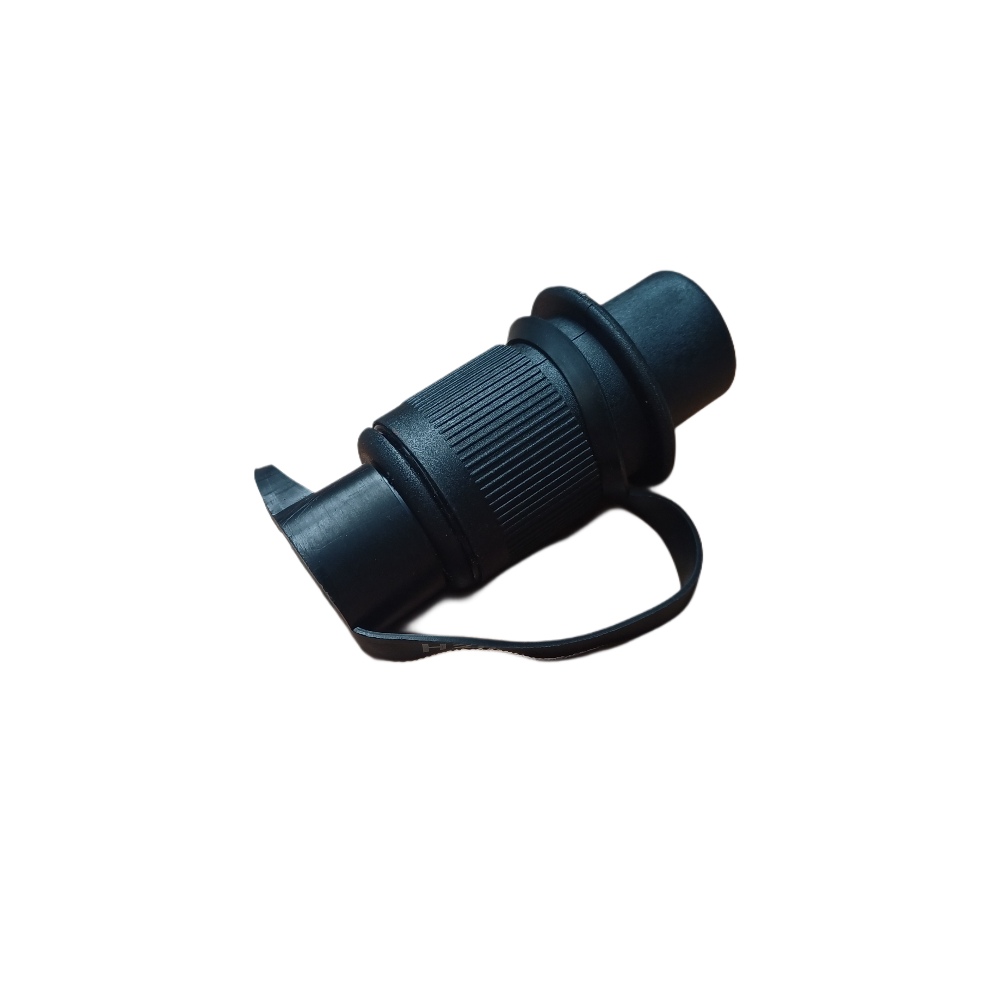
Our inventory covers virtually every category of tractor parts you might require. Mechanical items include engine components (pistons, rings, gaskets), transmission spares (clutch plates, gear sets), steering assemblies and brake hardware. Electrical needs are met with alternators, starters, wiring looms and sensor modules. Hydraulic systems benefit from genuine pumps, valves, hoses and seals, while the cab and body can be refreshed with seats, control levers, lighting units and protective panels. For those looking to keep expenses down without compromising quality, we also stock a wide selection of used tractor parts that have been inspected and tested, as well as refurbished components restored to like‑new condition.
Why choose NMT Group for your 5425 Tier 3 parts? Our Irish base gives us direct access to European distributors and a robust supply chain, enabling fast order processing and reliable stock levels. We understand the importance of accurate part numbers and cross‑referencing, so each listing includes detailed fitment information to minimise the risk of ordering the wrong item. Shipping is handled efficiently, with options for worldwide delivery that cater to both local Irish customers and overseas growers who need a trusted source for Massey Ferguson spares. Courier and priority shipping options, including DHL and FedEx, are available where appropriate.
In addition to offering new, used and refurbished parts, we provide expert advice from staff familiar with the 5425 Tier 3’s common service issues. If you are unsure which component is required, our team can help identify the correct part based on your tractor’s serial number or symptom description. This personalised support helps reduce guess‑work and ensures that every purchase contributes to a quicker repair turnaround.
Investing in quality replacement parts extends the life of your 5425 Tier 3, protects resale value and keeps maintenance costs predictable. Whether you are performing routine servicing, addressing an unexpected breakdown, or undertaking a major overhaul, NMT Group offers the range, expertise and global shipping capability to keep your tractor back in the field with minimal delay.
FAQs
What sort of work is the MF 5425 Tier 3 best matched to?
The Massey Ferguson 5425 Tier 3 is a practical 5400 Series utility tractor suited to loader work, mowing, transport, topping, and general mixed-farm duties. It is commonly listed as an 80 hp tractor built from 2008 to 2013, which puts it in a useful bracket for everyday farm work where manoeuvrability matters as much as outright power.
What engine and transmission setup should buyers expect?
Most Tier 3 examples are associated with a 4.4-litre Perkins 1104 four-cylinder diesel and a 16x16 partial powershift transmission, commonly described as Dyna-4. Current spec references also show 540/1000 independent PTO and hydraulic options that varied by specification, so it is worth checking the exact setup on the individual tractor rather than assuming every 5425 is identical.
Is the 5425 Tier 3 generally considered a good used tractor?
In general, yes. The 5425 is usually seen as a simple, capable all-rounder with the benefit of a compact four-cylinder layout, straightforward size, and enough power for a wide range of routine farm jobs. As with most tractors in this class, the biggest difference between a strong example and an expensive one usually comes down to maintenance history, transmission feel, and hydraulic condition rather than the basic design itself.
If the tractor feels slow to move off or rough when changing direction, where should attention go first?
One of the first areas to inspect is the shuttle and transmission-control side of the tractor. On a used 5425, forward and reverse engagement should feel clean and progressive, not delayed, snappy, or inconsistent once warm. Because the model is tied closely to the Dyna-4 setup, smooth shifting and predictable shuttle response are among the most important checks during a proper test drive.
Why do buyers pay close attention to hydraulics and rear-lift performance?
Because hydraulic spec and condition make a noticeable difference to how the 5425 feels in real work. Published specifications show Category II linkage, rear lift capacity in the 7,800 lb to 9,100 lb range depending on setup, and hydraulic configurations that could vary by tractor. That means weak rear lift, slow spool response, or poor loader performance should be treated as a genuine inspection point rather than dismissed as normal.
What should be checked most carefully before buying a used MF 5425 Tier 3?
The smartest inspection points are cold starting, engine response under load, smooth Dyna-4 shifting, clean shuttle engagement, steady hydraulic performance, and the general condition of the oil, filters, and rear linkage. A proper drive once the tractor is fully warm is especially important, because that is when many transmission and hydraulic faults show themselves most clearly.