Looking for reliable 6470 Tier 2 parts? At NMT Group you’ll find a comprehensive range of new, used and refurbished components specifically for the Massey Ferguson 6470 Tier 2 tractor. Whether you need engine spares, transmission units, hydraulic fittings or cab accessories, our catalogue is built to help Irish farmers and worldwide customers keep their machines running smoothly. Every part listed under the 6470 Tier 2 category has been carefully matched to ensure correct fitment, so you can order with confidence and get back to work faster.
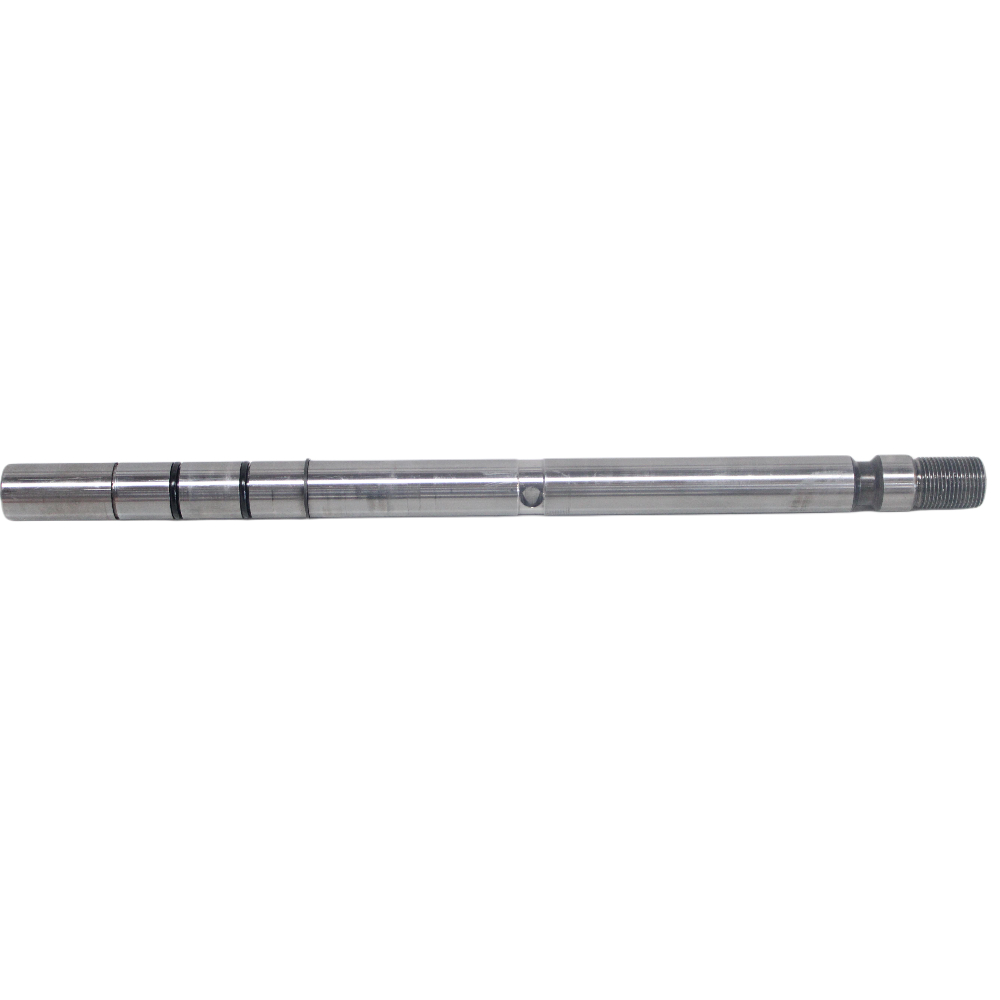
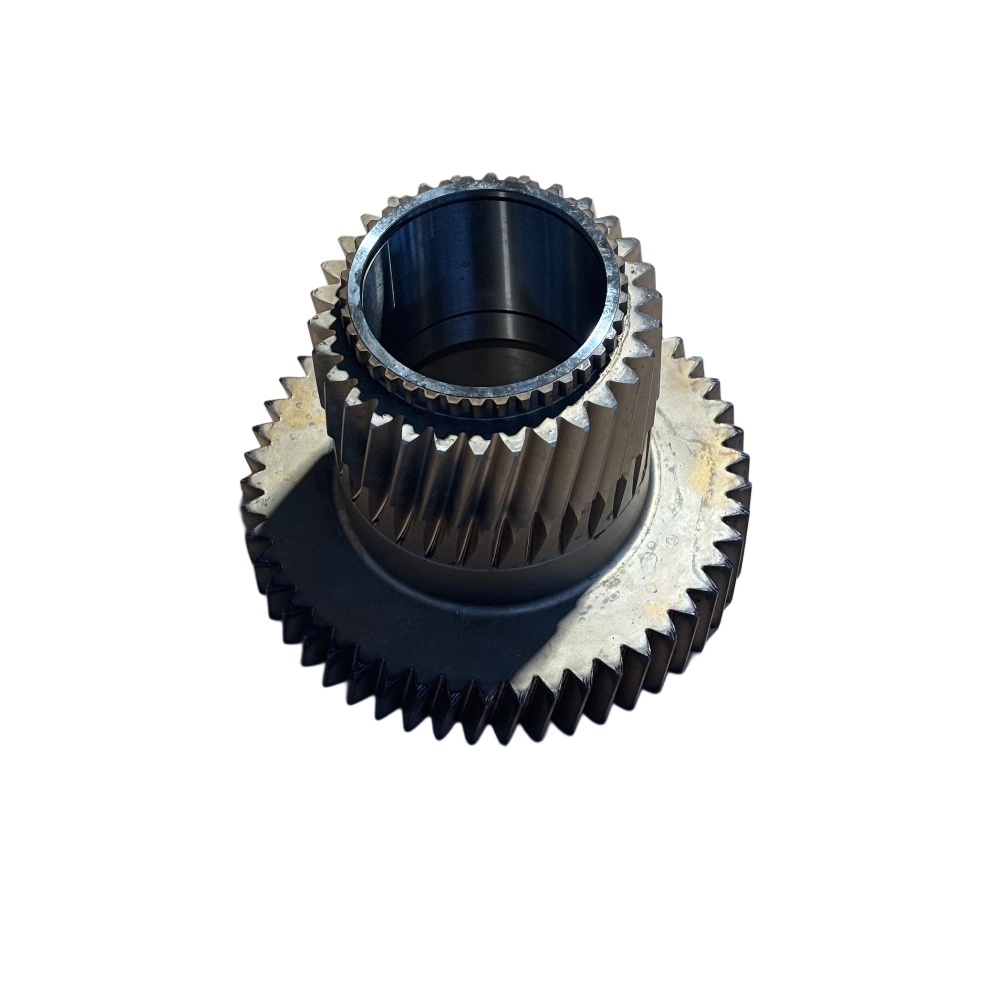
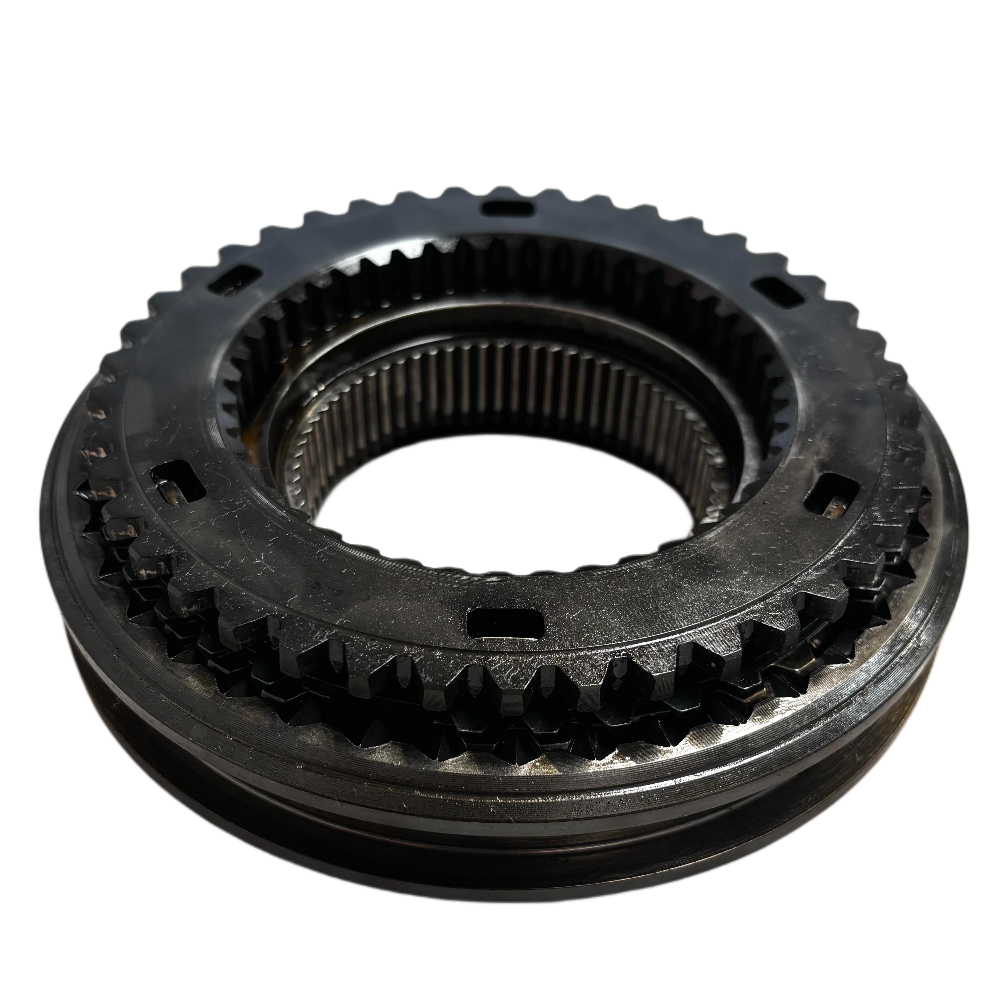
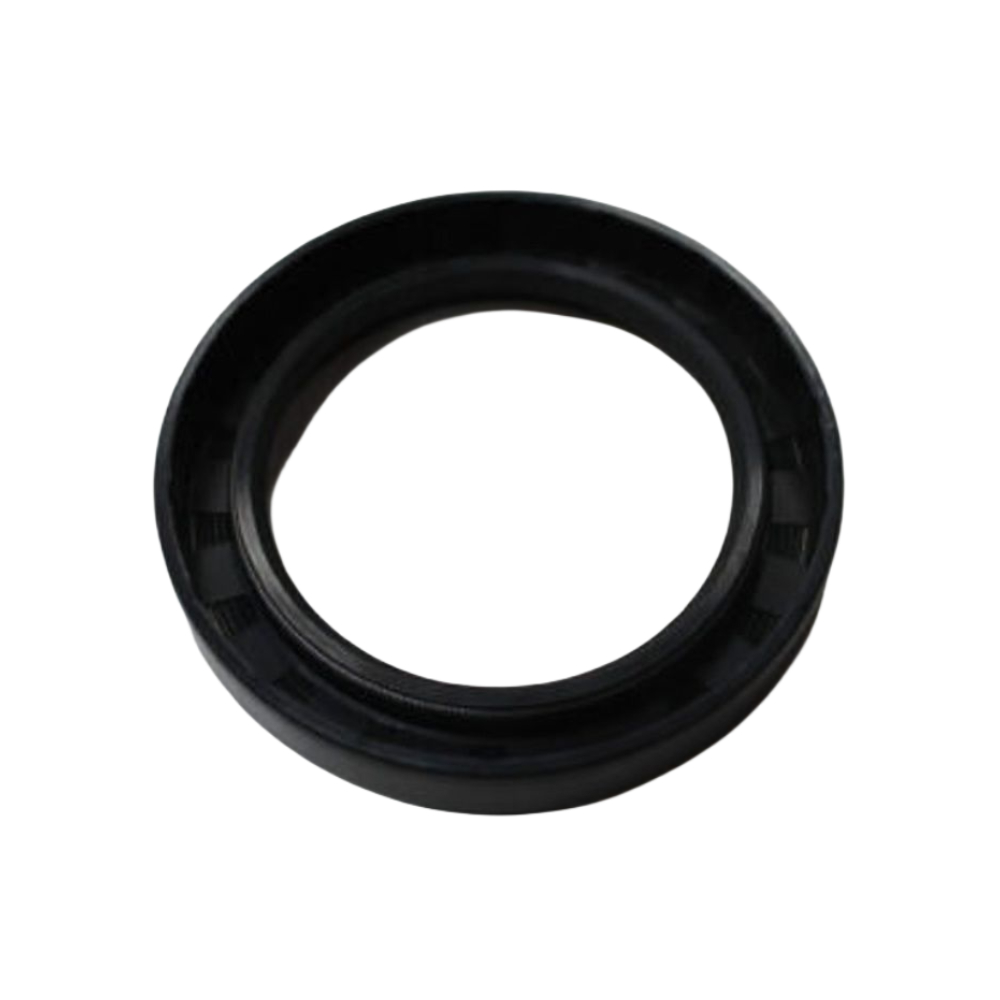
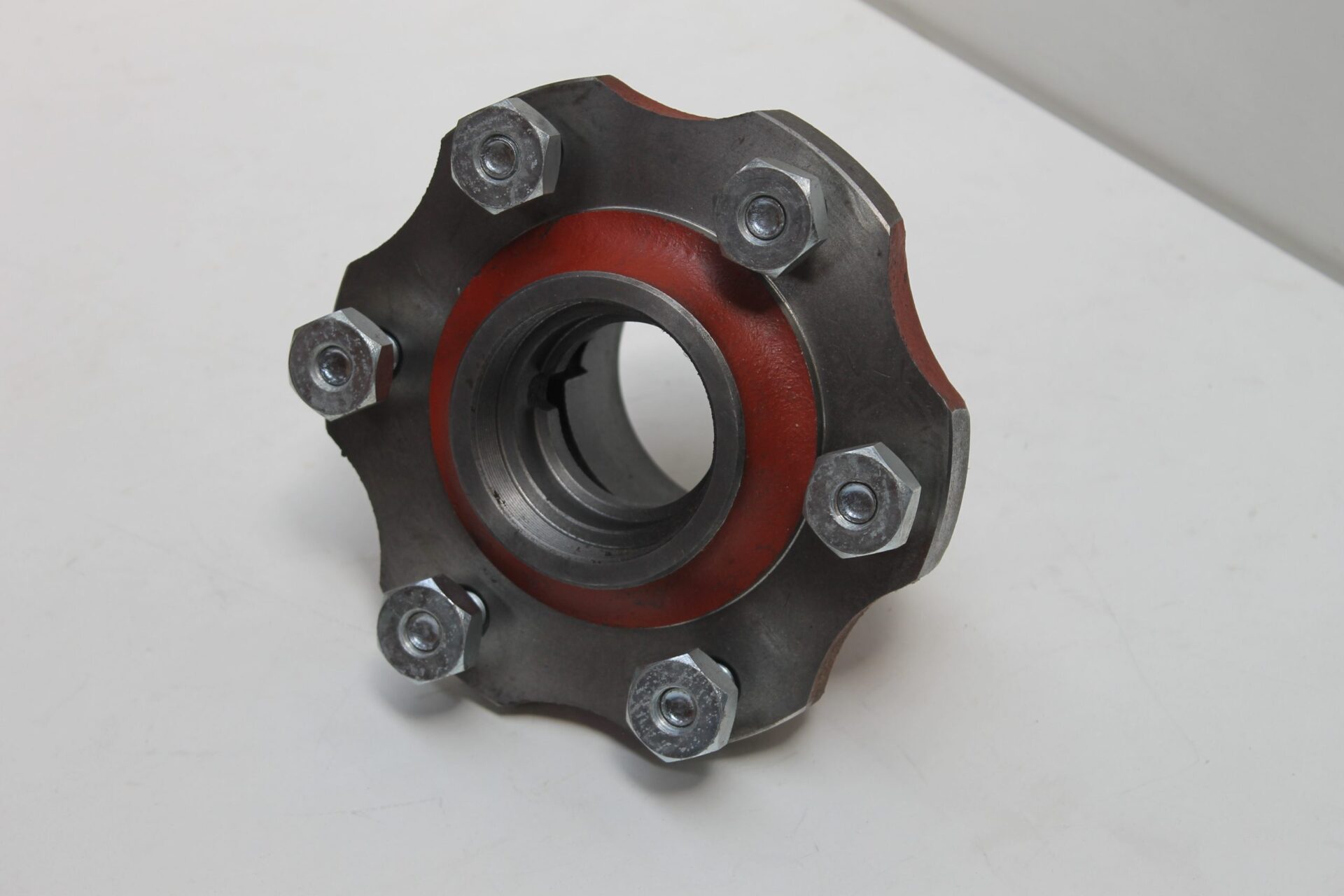
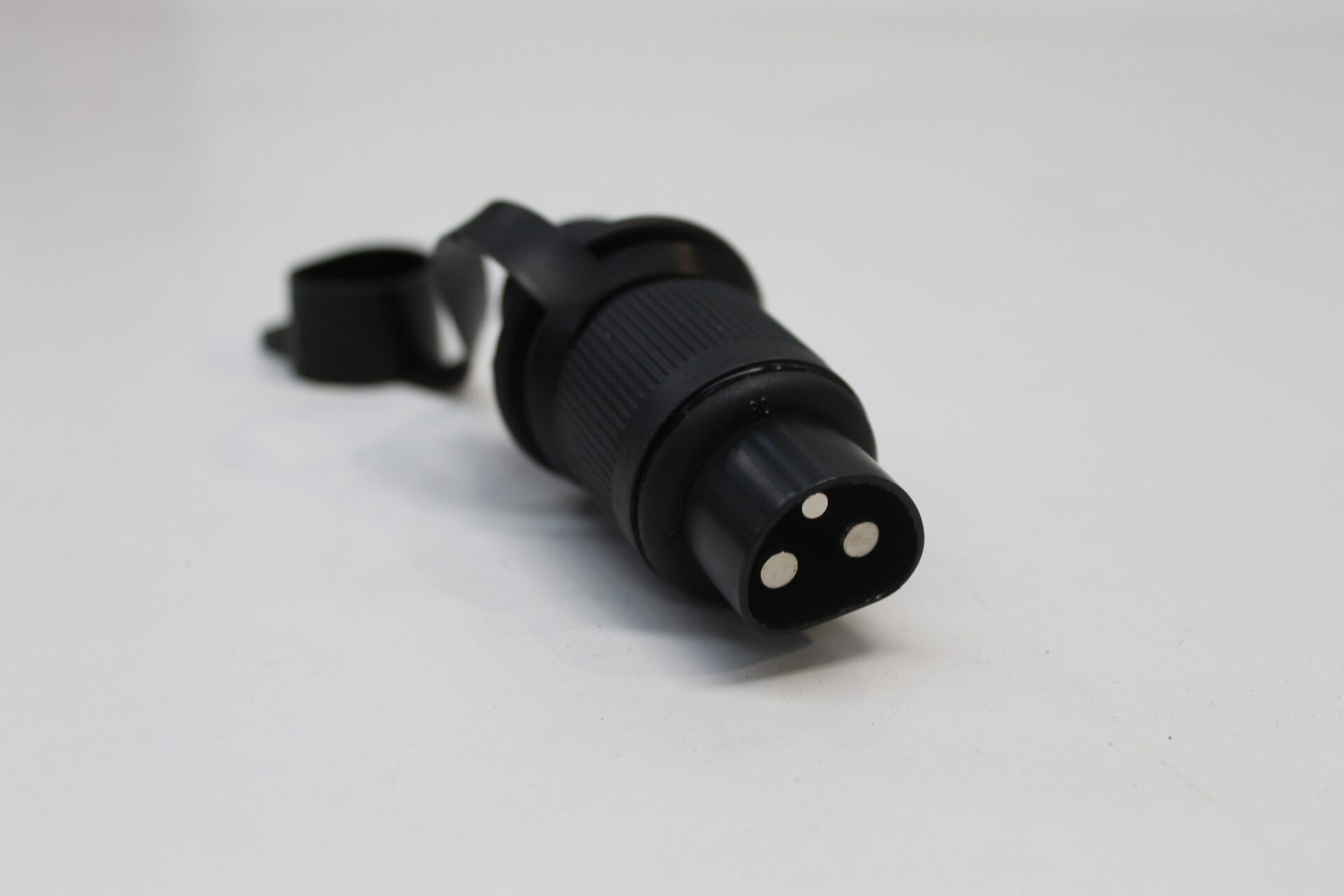
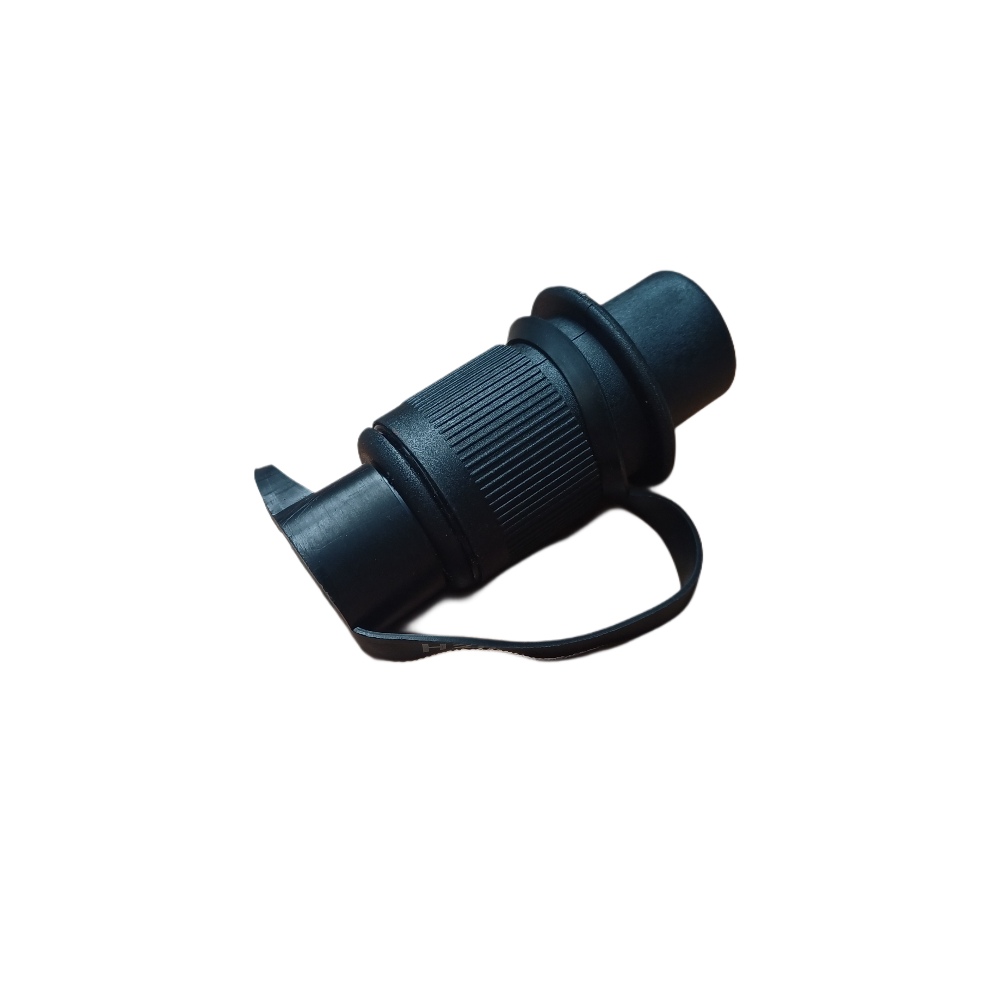

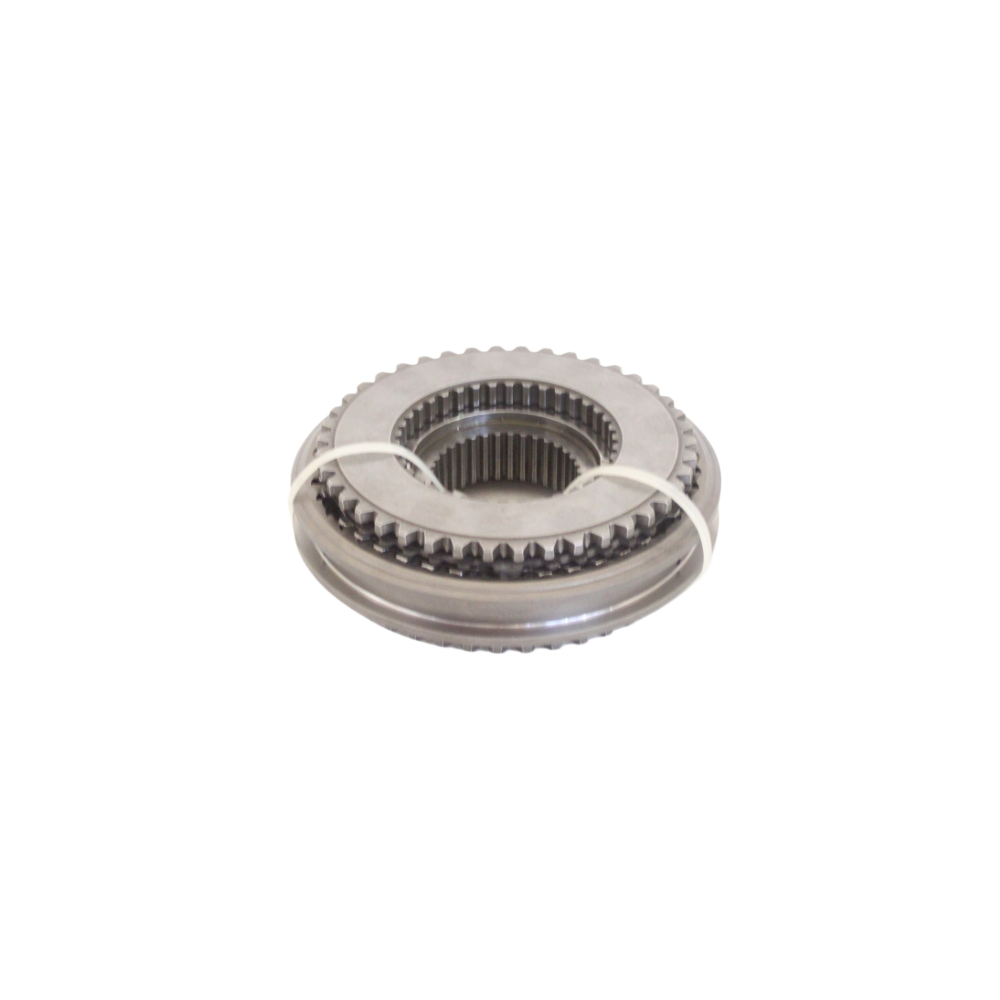
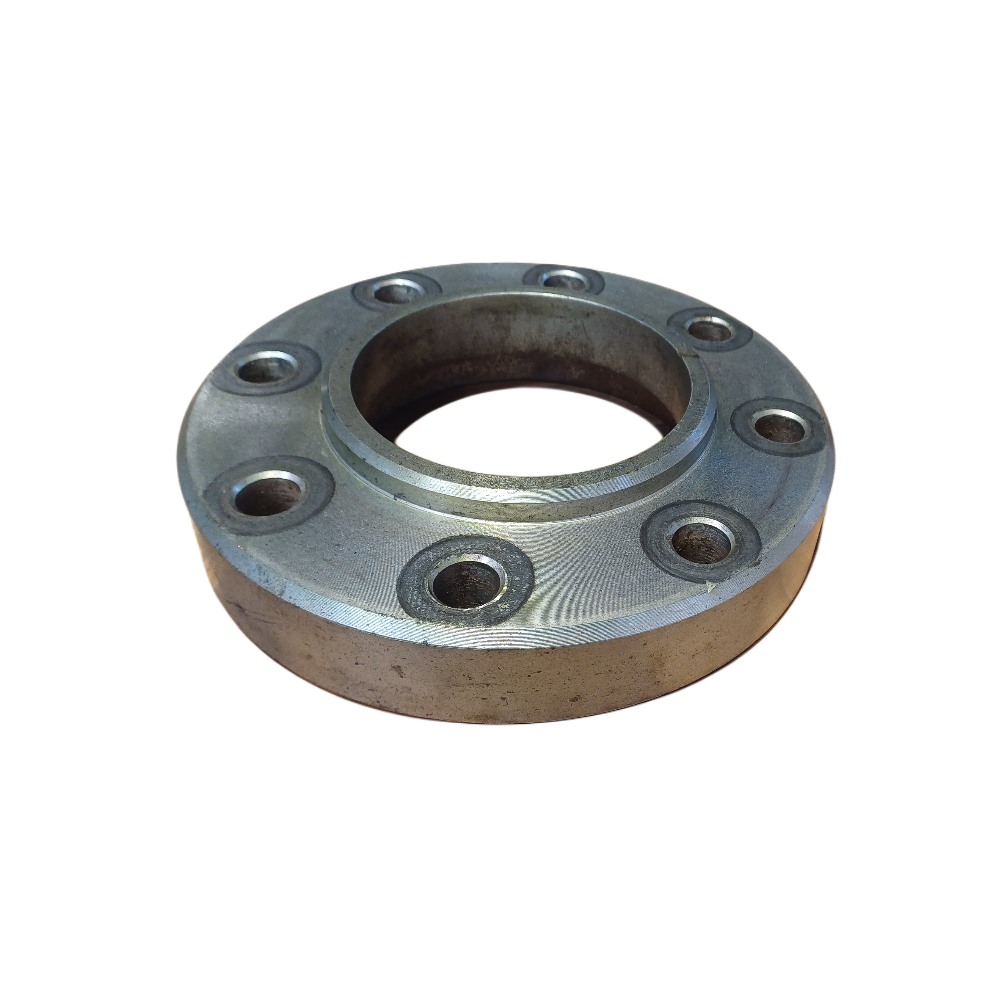
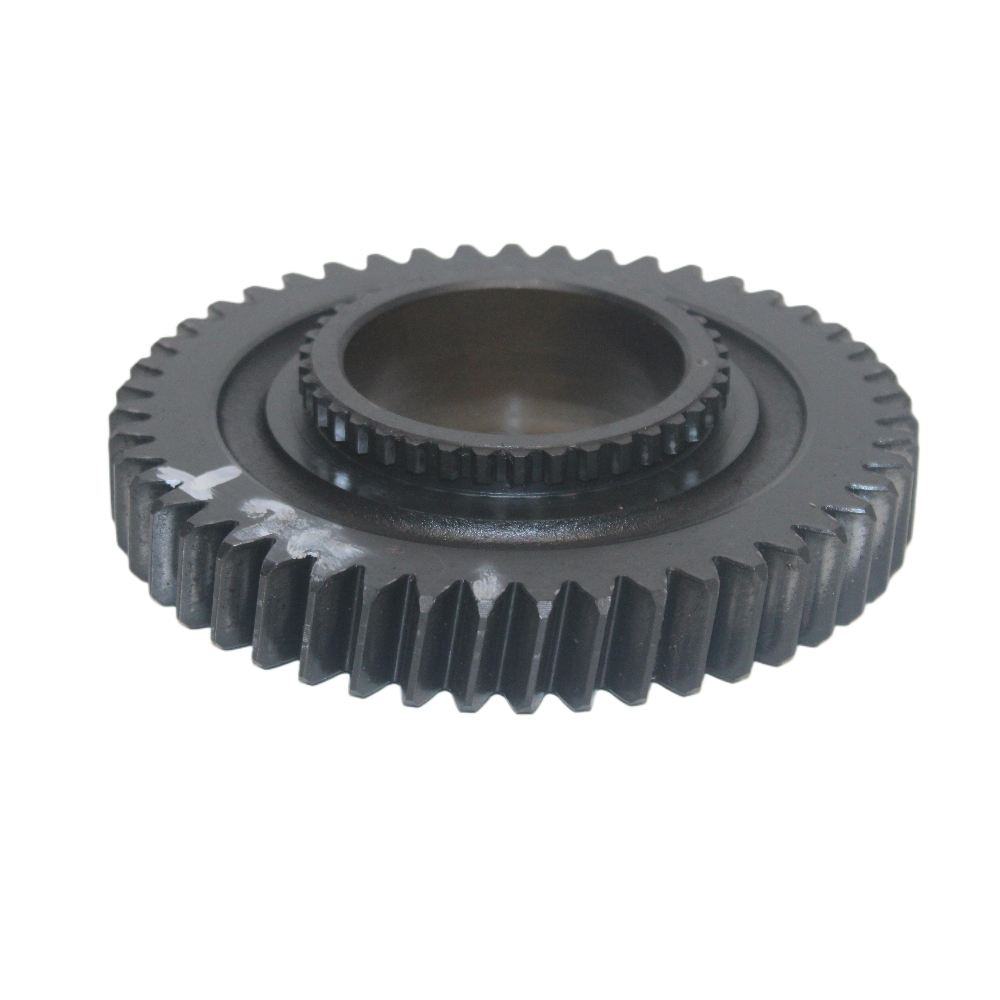
The Massey Ferguson 6470 Tier 2 is a robust workhorse used across mixed‑farm operations, and keeping it in top condition often means sourcing the right replacement parts at the right price. At NMT Group we understand that downtime costs both time and money, which is why our inventory includes a full spectrum of 6470 Tier 2 tractor parts – from essential engine components such as pistons, injectors and filters to transmission pieces like clutch plates, gearboxes and shift levers. Hydraulic systems are also covered with options for pumps, valves, hoses and cylinders, while cab comfort is maintained through seats, dashboards and climate‑control units.
Choosing the correct part is crucial for safety, performance and longevity. A mis‑matched component can lead to premature wear, reduced efficiency or even equipment failure. Our detailed product listings provide part numbers, fitment notes and condition descriptions (new, used or refurbished) so you can verify compatibility before purchase. New tractor parts offer the peace of mind that comes with factory specifications, while used parts are a cost‑effective solution for non‑critical wear items. Refurbished components give the best of both worlds – professionally restored to like‑new standards at a lower price point.
When it comes to sourcing 6470 Tier 2 parts, location matters. Based in Ireland, NMT Group combines local expertise with an international shipping network that reaches farms worldwide. Our logistics team handles customs documentation and ensures secure packaging, so even large items such as rear axles or hydraulic pumps arrive undamaged. We ship to the UK, EU, North America, Africa and beyond, providing a single point of contact for tractor parts Ireland customers and overseas operators alike. Courier and priority shipping options, including DHL and FedEx, are available where appropriate.
Beyond the core mechanical spares, we also stock accessories that help you tailor your 6470 Tier 2 to specific tasks. Front loaders, rear implements, PTO shafts and lighting kits are all available, allowing you to customise the tractor for mowing, cultivation or transport duties. Our used and refurbished range includes well‑maintained units that have been inspected, cleaned and tested, giving you confidence in their reliability.
Why choose NMT Group for your 6470 Tier 2 needs? Firstly, our catalogue is continuously updated to reflect the latest availability of genuine Massey Ferguson parts as well as high‑quality aftermarket alternatives. Secondly, we offer competitive pricing across all condition categories – new, used and refurbished – so you can select the option that best fits your budget without compromising on quality. Thirdly, our customer service team is knowledgeable about the 6470 Tier 2 platform and can advise on part selection, fitment queries and ordering procedures.
Maintaining a Massey Ferguson 6470 Tier 2 tractor involves regular inspection of wear items such as filters, belts, seals and brake components. When these parts reach the end of their service life, replacing them with genuine or verified equivalents helps preserve engine performance, fuel efficiency and operator comfort. Our inventory includes front and rear brake discs, hydraulic wet disc brakes, PTO shafts (540/1000 rpm), steering gear boxes and more – all essential for safe operation on varied farm terrain.
Ordering is simple: locate the 6470 Tier 2 category on our website, browse by part type or use the search function with your known part number. Once you’ve added the required items to your basket, checkout is secure and supports multiple payment methods. After purchase, you’ll receive a tracking number so you can monitor delivery progress right up to arrival.
In summary, whether you are a farmer in County Cork, a contractor in South Africa or a dealer in Canada, NMT Group provides the expertise, inventory and global shipping capability needed for all your 6470 Tier 2 tractor parts requirements. Trust us to keep your machine performing at its best – browse our selection today and experience the convenience of buying replacement parts online with a specialist Irish supplier that ships worldwide.
FAQs
What makes the MF 6470 Tier 2 attractive as a used tractor?
The 6470 Tier 2 is generally valued as a strong mid-size all-rounder for transport, mowing, field work, and mixed-farm duties. Buyer discussion around this model is broadly positive, with owners describing the Tier 2 Perkins version as a particularly desirable setup and a very capable tractor when well maintained.
What engine and transmission setup should a buyer expect?
Most Tier 2 examples are associated with a 4.4-litre Perkins diesel producing around 125 hp, and period spec references tie the 6470 to Massey Ferguson’s Dyna-6 semi-powershift setup. Because this model spans different engine eras, confirming that a tractor is the earlier Perkins Tier 2 version rather than the later Tier 3 SISU version is an important first step.
If the tractor feels down on power or throws pump-related engine faults, where should attention turn first?
Fuel-system and pump-related issues are one of the main things to look at on a Tier 2 6470. One 6470-specific case describes repeated 1077-11 injector-pump errors, with troubleshooting focused on the injector pump itself, air in the fuel system, and voltage or resistance checks. That makes power loss, intermittent fault codes, and inconsistent running worth treating as fuel-control issues first rather than assuming general engine wear.
Why do buyers pay so much attention to Dyna-6 behaviour on this model?
Because transmission performance is one of the biggest cost-risk areas on a used 6470. A documented 6470 case describes the 15-micron transmission filter blocking with iron filings, causing the tractor to jerk through the gears or stop completely until it cooled down. That points buyers toward transmission oil condition, brake wear debris, and filter history as critical inspection points, especially if the tractor behaves differently once warm.
Are there any recurring comfort or chassis-related issues worth knowing about?
Yes. One of the more repeated practical comments around the 6470 is that cab suspension springs can become a known annoyance, though owners also describe it as a relatively manageable fix rather than a reason to avoid the tractor. In other words, it is worth checking cab ride quality and suspension condition, but it is usually treated as a secondary issue compared with engine or transmission health.
What should be checked most carefully before buying a used MF 6470 Tier 2?
The smartest inspection points are cold starting, engine pull under load, absence of pump or fuel-system fault codes, smooth Dyna-6 shifting, and the condition of the transmission oil and filters. It is also wise to check whether the tractor shows signs of hot-running transmission trouble, because jerking, stopping when warm, or repeated filter contamination can point to much bigger internal repair needs.