The Massey Ferguson 6280 is a robust six‑cylinder tractor from the 6200 series, and at NMT Group you’ll find a comprehensive range of 6280 parts to keep it running smoothly. Whether you need new components fresh from the factory, reliable used items sourced from dismantled machines, or fully refurbished units that have been tested for performance, our catalogue covers everything from engine filters and hydraulic hoses to transmission gears and cab accessories. Based in Ireland and shipping worldwide, we make sourcing replacement tractor parts for your 6280 quick and hassle‑free, with fast delivery and competitive prices designed for farmers and contractors alike.
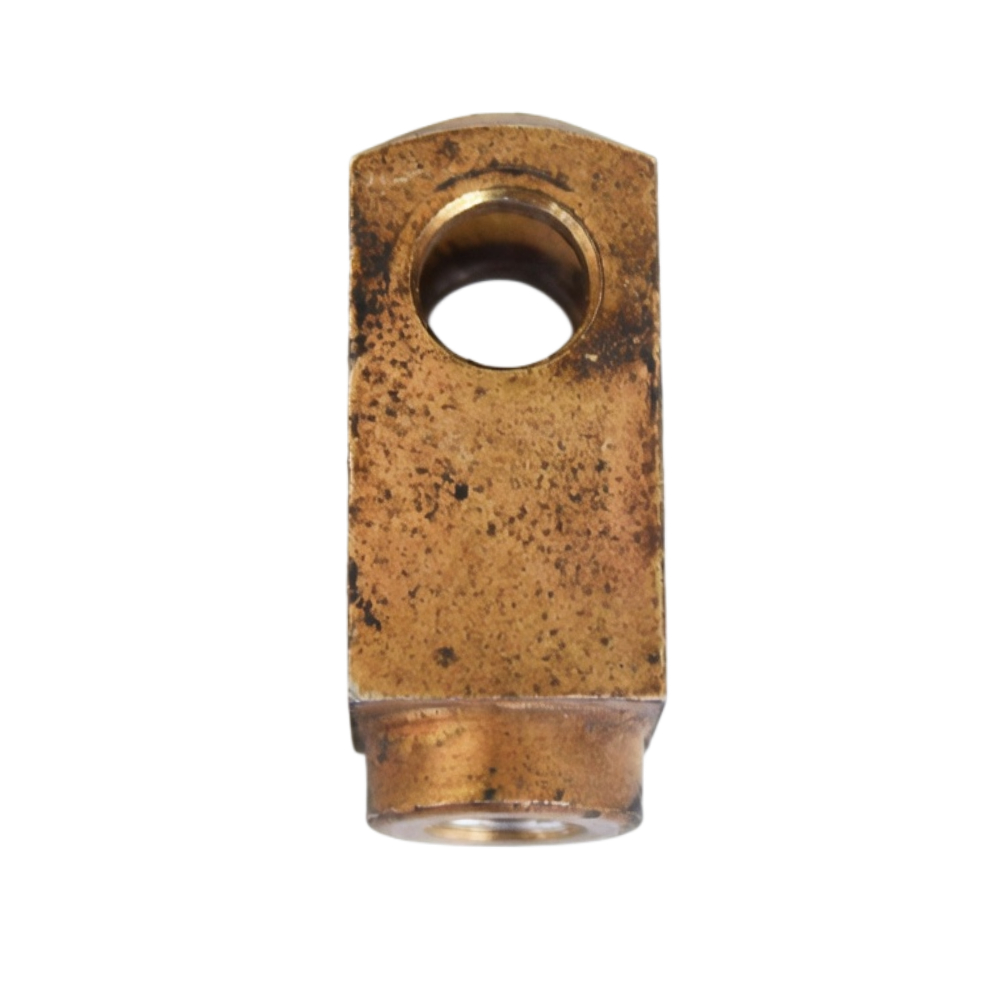
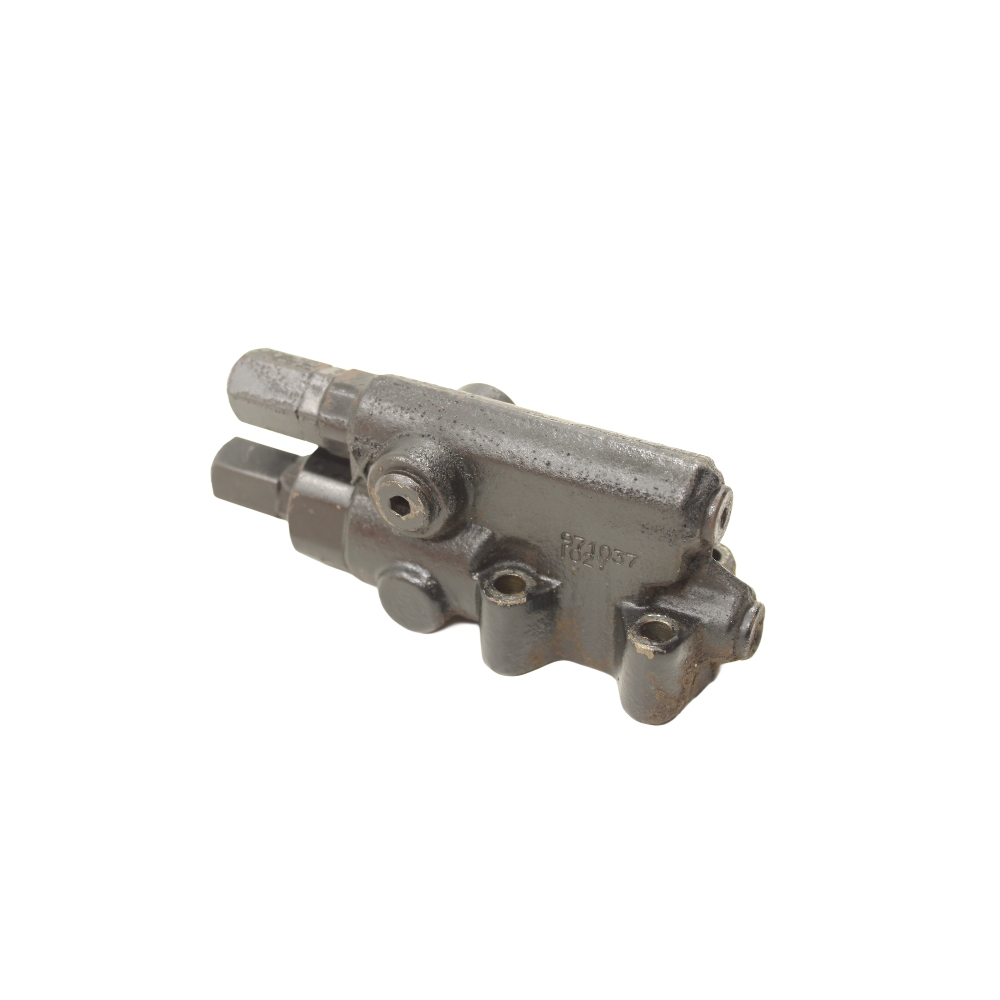
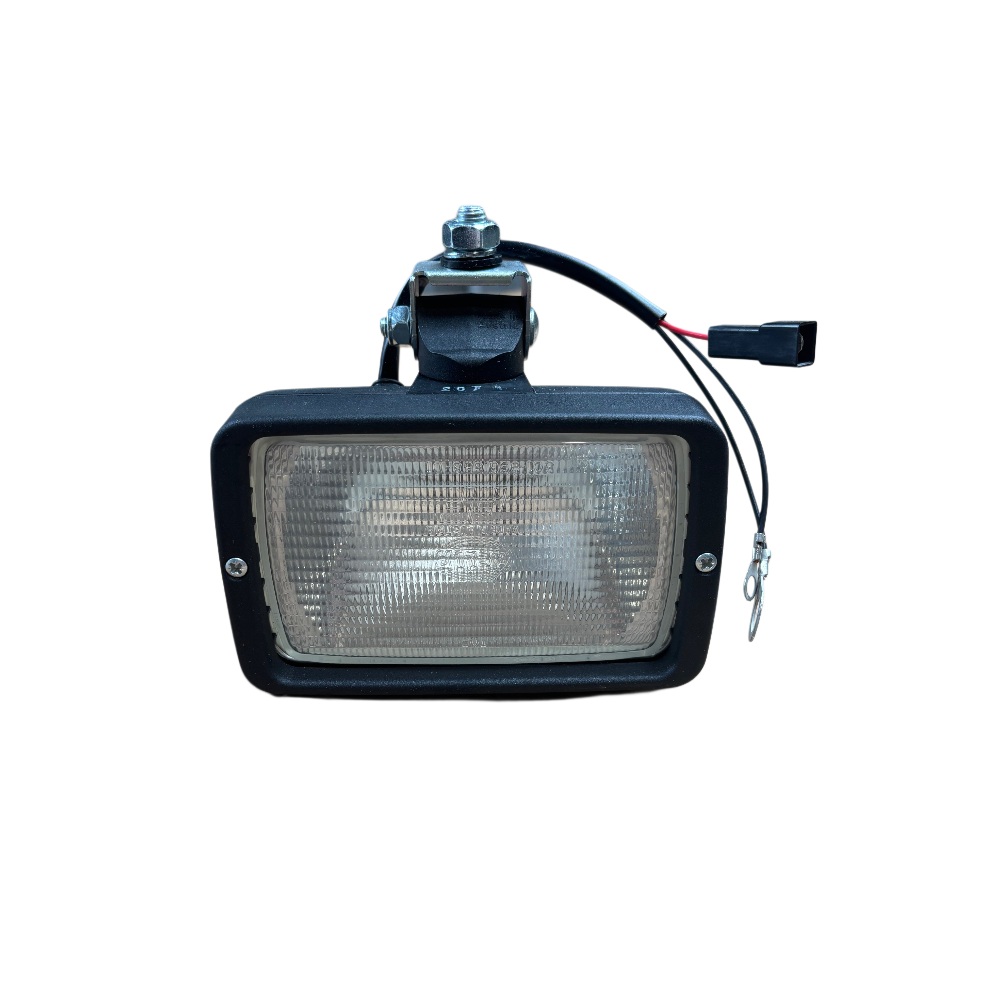

Keeping a Massey Ferguson 6280 operational means having the right parts on hand when wear or damage occurs. This model’s six‑cylinder engine, 32‑speed powershift transmission and versatile drivetrain demand components that meet exact specifications to maintain performance and reliability. At NMT Group we stock a full spectrum of replacement parts for the 6280, including:
* Engine essentials – air filters, fuel pumps, injectors, turbochargers and gaskets.
* Cooling system items – radiators, water pumps, fan belts and thermostats.
* Hydraulic components – open‑centre pumps, hoses, valves, and optional closed‑centre kits.
* Transmission and drivetrain parts – clutch plates, gear sets, PTO shafts, 2WD/4WD differentials and axle assemblies.
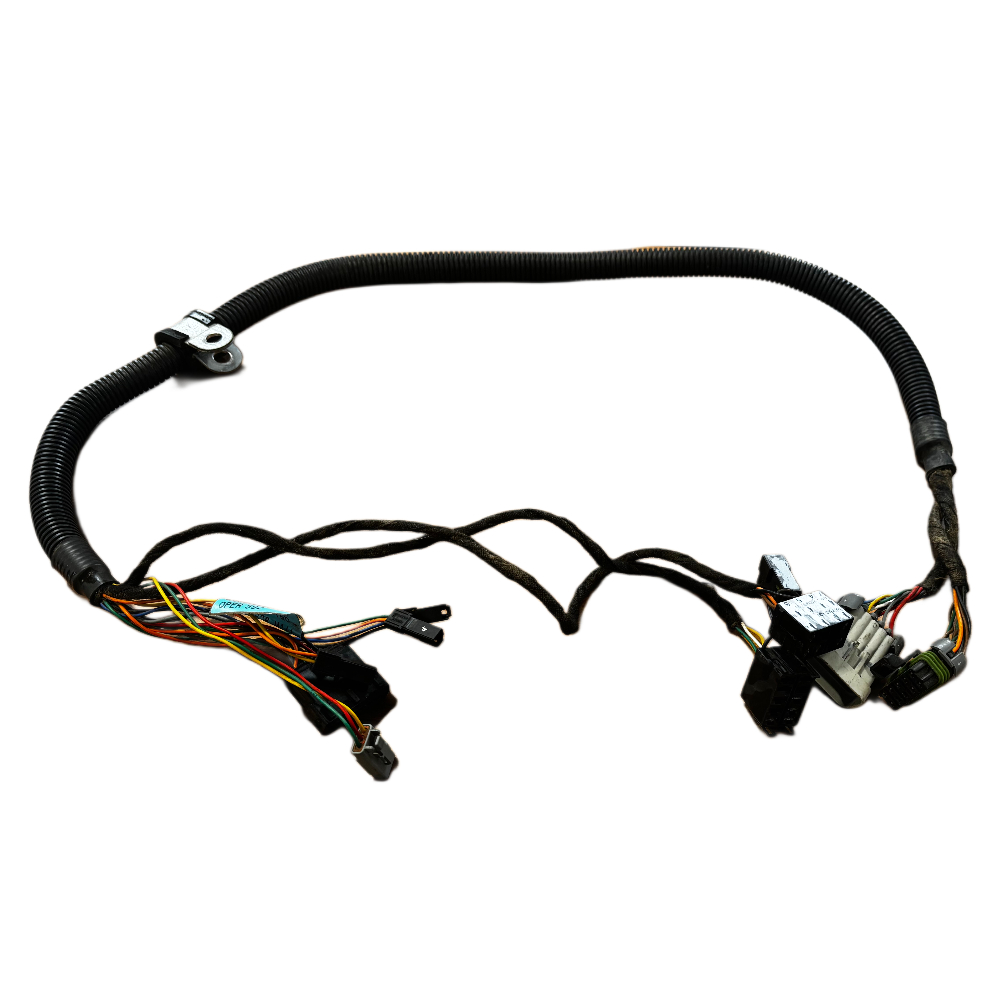
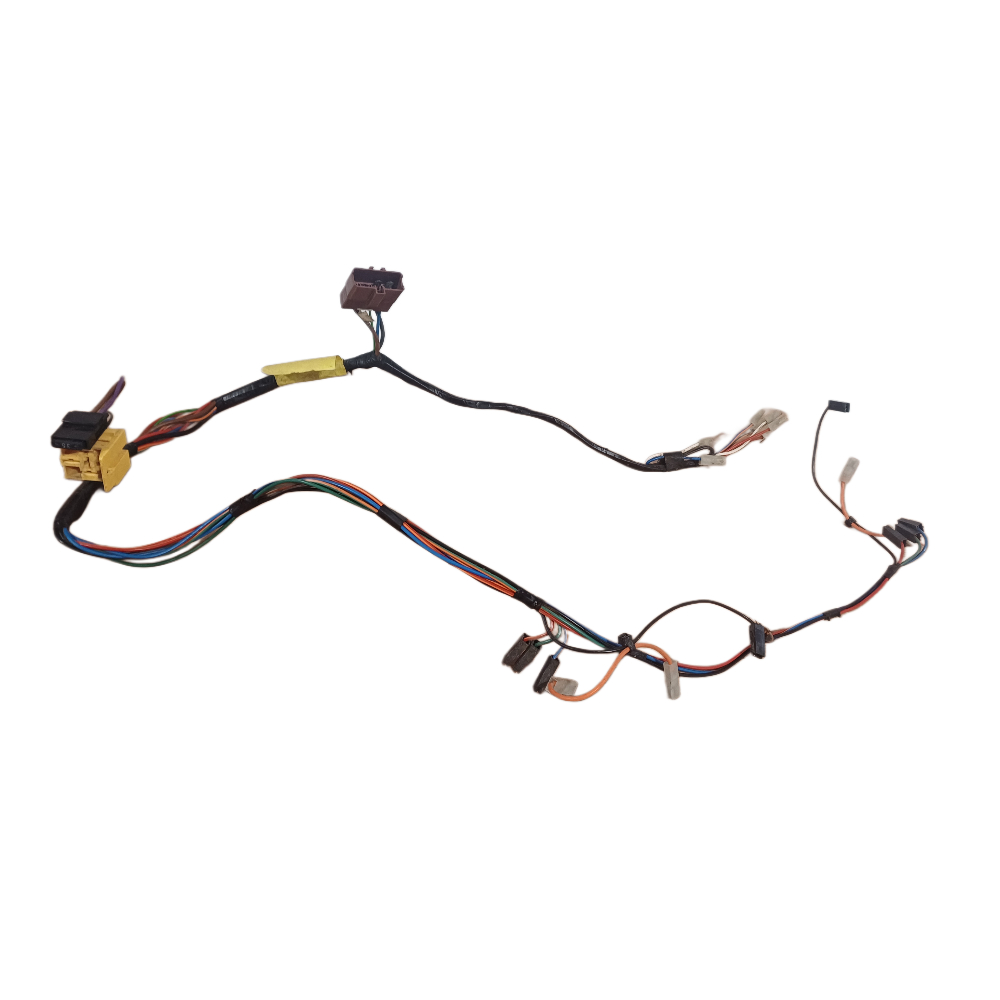
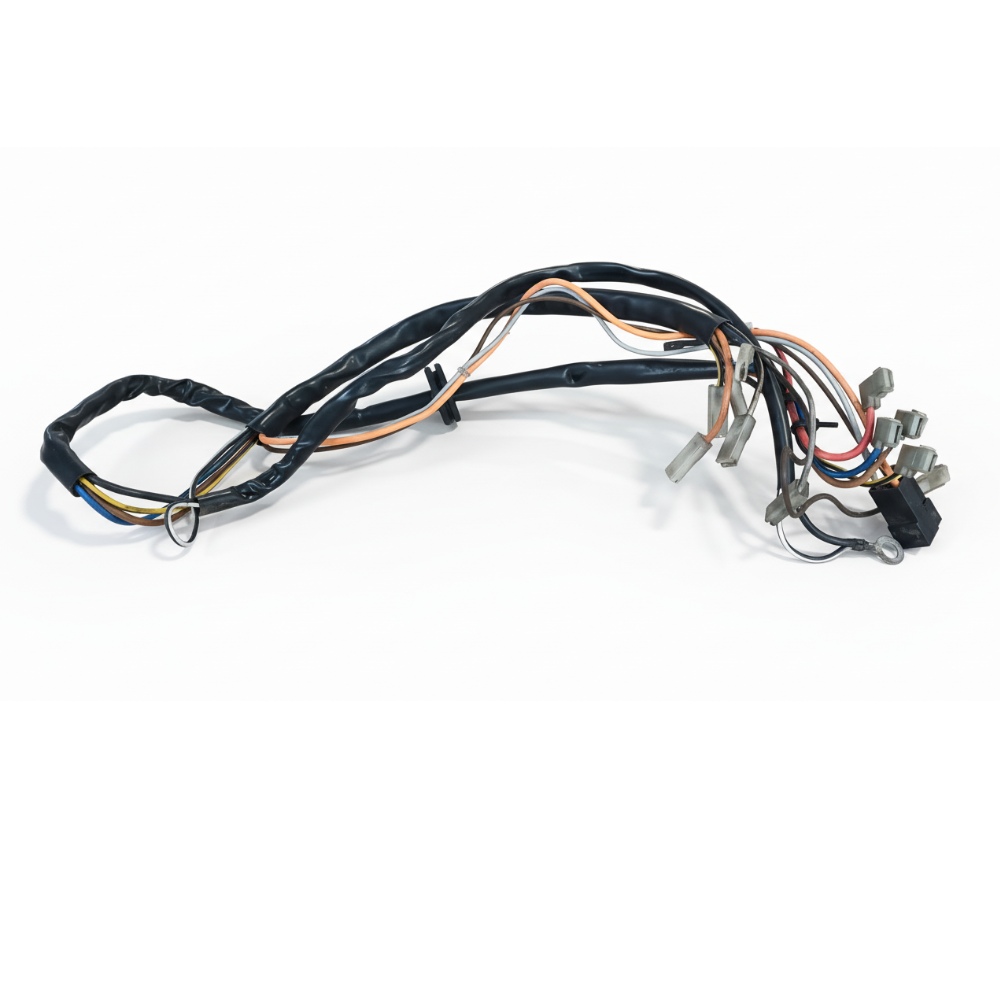
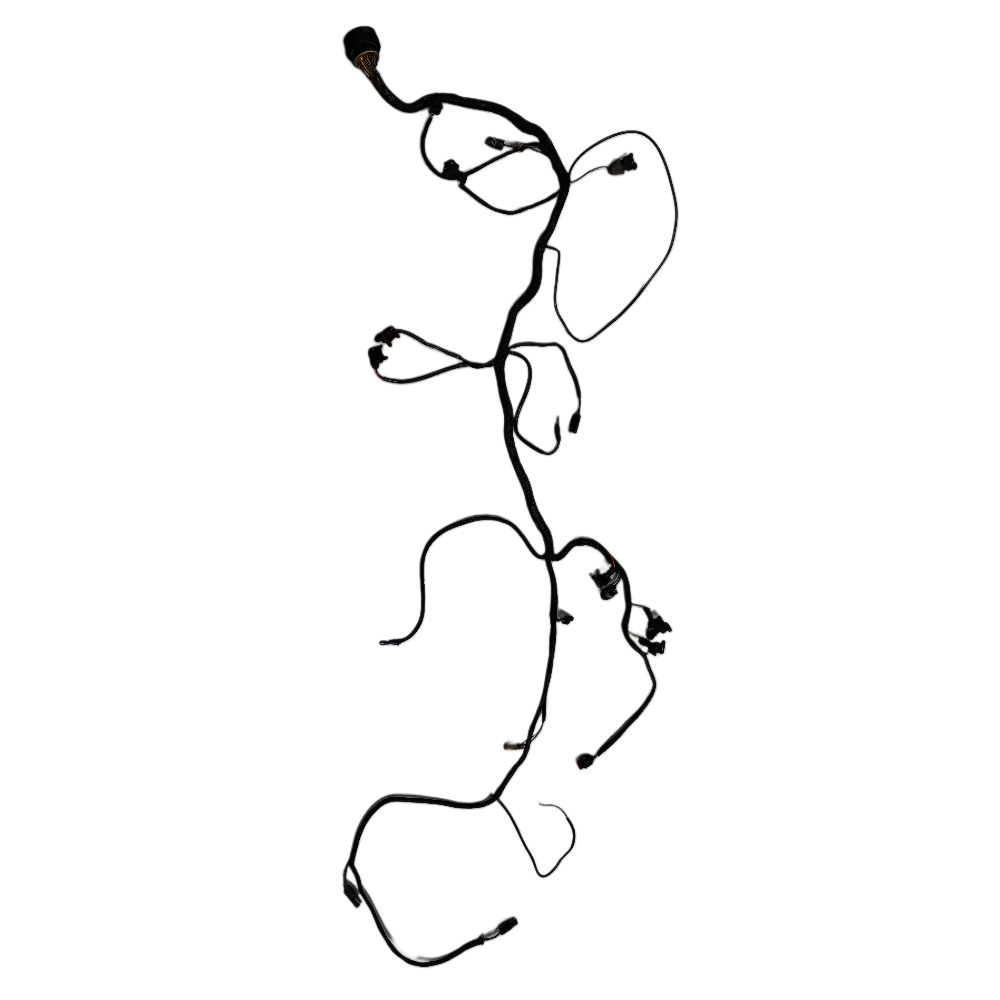
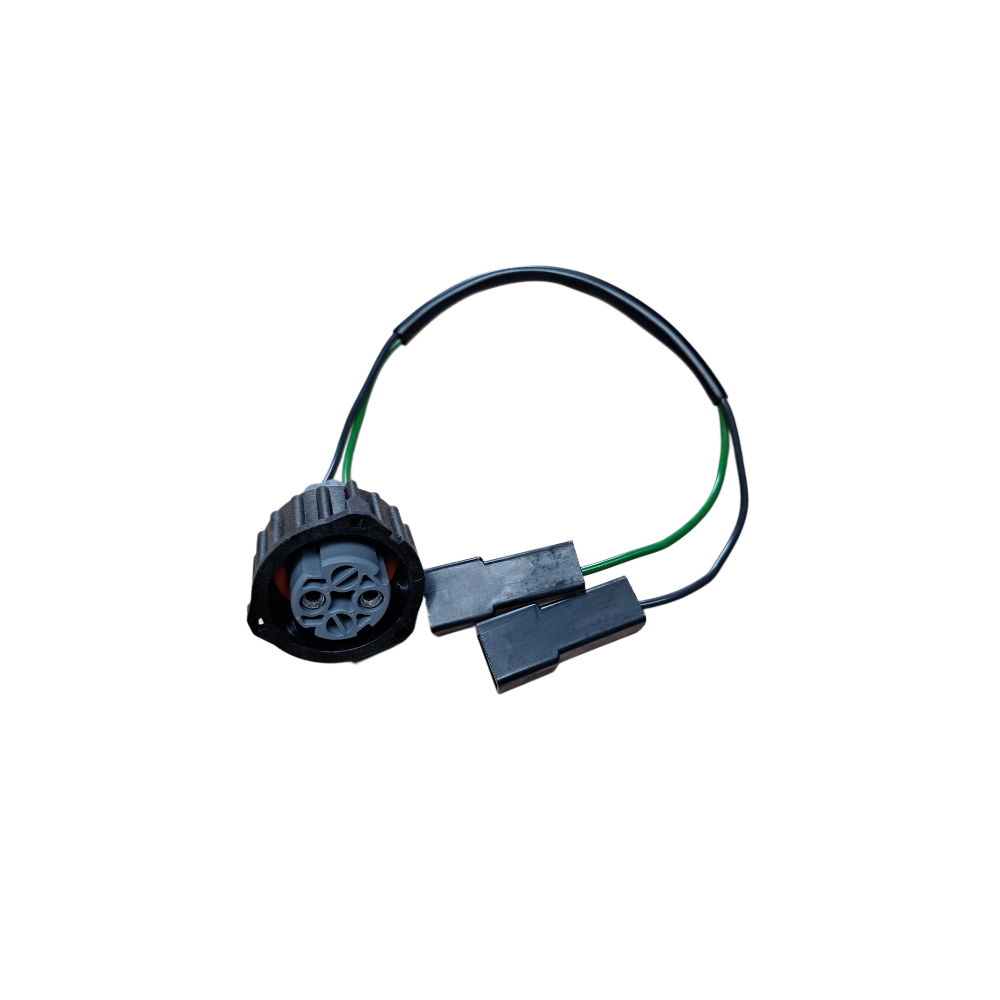
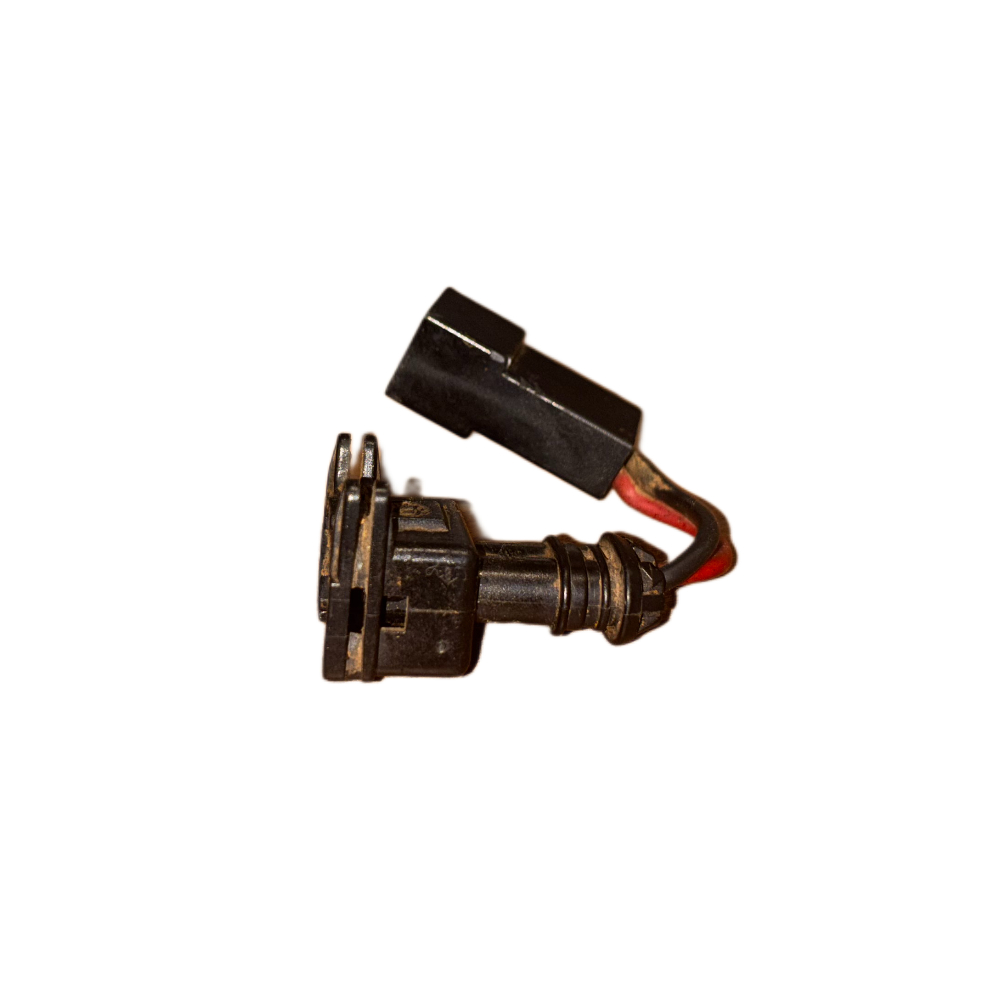
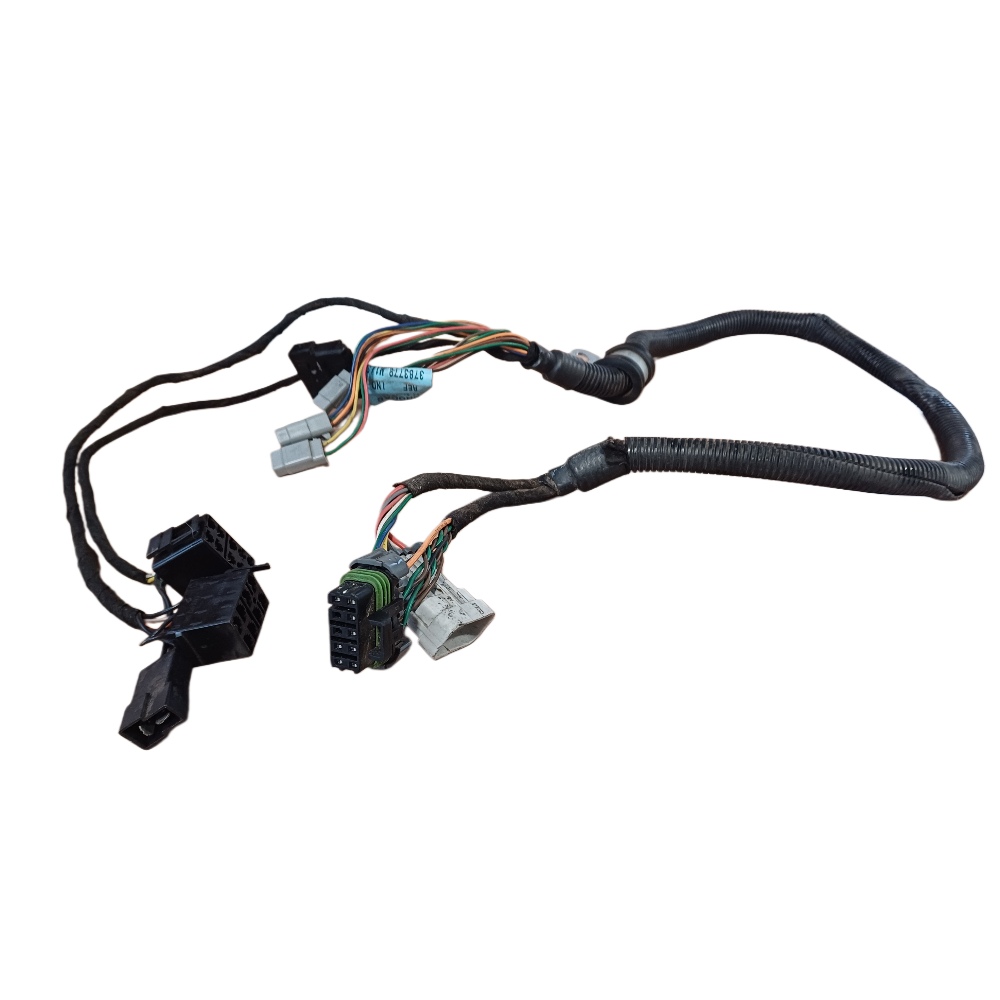
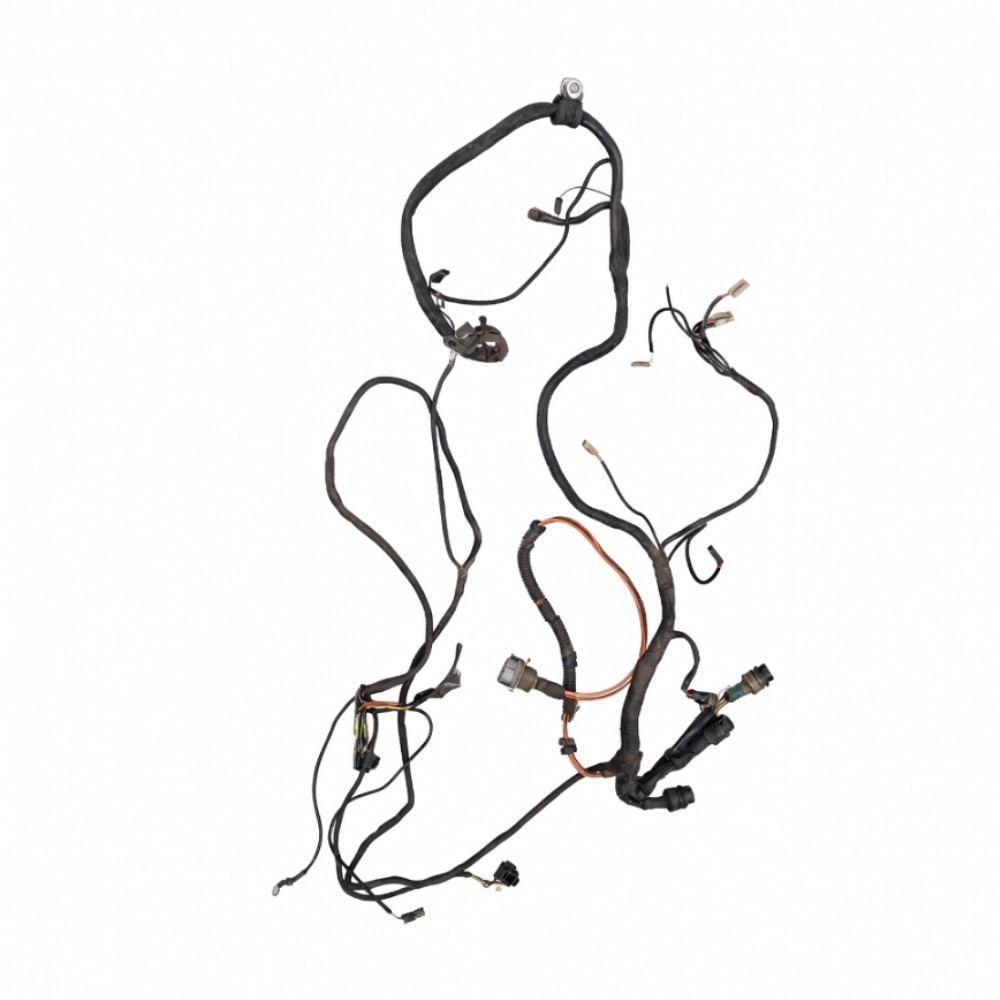
* Electrical spares – alternators, starter motors, wiring harnesses and sensor modules.
* Cab and comfort accessories – seats, control levers, instrument clusters and lighting units.
* Under‑carriage wear items – brake discs, wheel hubs, tyre valves and lift arms.
Choosing the correct part is crucial. A mismatched filter or an incorrectly sized hydraulic hose can lead to reduced efficiency, increased fuel consumption or even costly breakdowns. Our detailed product listings include OEM numbers and fitment notes, so you can verify compatibility before ordering. When you select used tractor parts, you benefit from a lower price while still receiving components that have been inspected for wear and functionality. Refurbished parts offer an added layer of confidence – they are restored to like‑new condition, tested under load, and often come with a warranty for peace of mind.
Why source your 6280 parts from NMT Group? As an Irish‑based supplier specialising in Massey Ferguson equipment, we combine local expertise with a global logistics network. Our warehouse holds stock of both new and pre‑owned items, allowing us to fulfil orders quickly – often within 24 hours for in‑stock products. We understand the urgency of farm repairs, so we prioritise fast shipping to any destination worldwide, whether you’re based in Dublin, London or a remote agricultural region. Courier and priority shipping options, including DHL and FedEx, are available where appropriate.
Beyond speed, we focus on value. Our low‑price policy is supported by direct relationships with manufacturers and reputable dismantlers, meaning you avoid middle‑man mark‑ups while still receiving genuine parts that meet the original equipment standards. We also provide clear return policies and responsive customer support to answer technical questions or help locate a hard‑to‑find component. Goods specially ordered or electronic goods cannot be accepted back for credit.
Regular maintenance of your 6280 – such as replacing filters, checking hydraulic seals or servicing the transmission – extends the tractor’s lifespan and protects your investment. By ordering from NMT Group you gain access to an extensive inventory that covers routine service items as well as major repair components. Whether you are a large farm operation needing bulk orders or an independent contractor sourcing a single part, our flexible purchasing options cater to all scales of demand.
In summary, for reliable 6280 parts – new, used or refurbished – look no further than NMT Group. Our specialised focus on Massey Ferguson tractors, combined with worldwide shipping from Ireland, ensures you receive the correct component quickly and at a price that respects your budget. Keep your 6280 performing at its best by choosing a supplier that understands the tractor’s unique requirements and is committed to supporting agricultural productivity around the globe.
FAQs
What kind of work is the MF 6280 best suited to?
The Massey Ferguson 6280 is a 6200 Series tractor built from 1999 to 2003, designed for transport, mowing, cultivation, loader work, and general mixed-farm duties. It is commonly listed with a 6.0-litre Perkins six-cylinder diesel and around 122 hp, which gives it the pulling power for heavier day-to-day work while still keeping a practical farm-tractor layout.
What engine and transmission setup should buyers expect?
Most spec references list the 6280 with a Perkins 1006-60T 6.0L turbo diesel and a 32-speed transmission. Depending on specification, it may be described with Dynashift or DynaShuttle, so it is worth confirming the exact gearbox arrangement on the individual tractor rather than assuming every 6280 is identical.
Why do so many buyers ask whether the 6280 is a good used buy?
Because the general reputation is positive, but age-related checks matter. Owner discussion around the 6280/6290 family describes them as generally very good and handy, reliable tractors, while also flagging that tractors of this age need careful inspection. One repeated buying tip is to check front axle wear on rigid-axle tractors and to inspect the cab roof area between the hatches for corrosion.
If the tractor starts but then will not drive properly, where should attention turn first?
Electrical and transmission-control issues are one of the first places to look. On closely related 6200-series tractors, owners report symptoms such as missing range lights, no forward/reverse response, and other dash functions dropping out, which points attention toward the control side of the transmission rather than immediately assuming a full mechanical gearbox failure. Massey specialist guidance also notes that from the 6200 series onward, the bottom-of-clutch switch can cause loss of drive and trigger dash errors.
What should buyers make of hydraulic specification and loader performance?
Hydraulic setup matters more than many buyers expect. The 6280 was available with open-centre hydraulics as standard and an optional pressure-flow-compensated closed-centre system, so performance can vary by tractor. Real-world owner comments also specifically note that closed-centre hydraulic examples work loaders well, making it worth confirming the hydraulic spec if loader work is a priority.
Which checks matter most before buying a used MF 6280?
The smartest inspection points are cold starting, clean dash indications, smooth forward/reverse engagement, consistent drive when hot, front axle condition, roof/cab corrosion, and the overall condition of the hydraulic and transmission system. A proper test drive matters, because several of the more expensive faults on tractors of this age only show themselves once the machine is fully warm and working.