Looking for reliable Massey Ferguson 6260 parts? At NMT Group you’ll find a comprehensive range of new, used and refurbished components specifically suited to the 6260 tractor. Whether you need engine spares, transmission elements, hydraulic fittings or cab accessories, our catalogue is built around this robust mid‑size six‑cylinder model. All items are sourced with careful attention to fitment, so you can order with confidence and keep your 6260 running smoothly on any farm task.
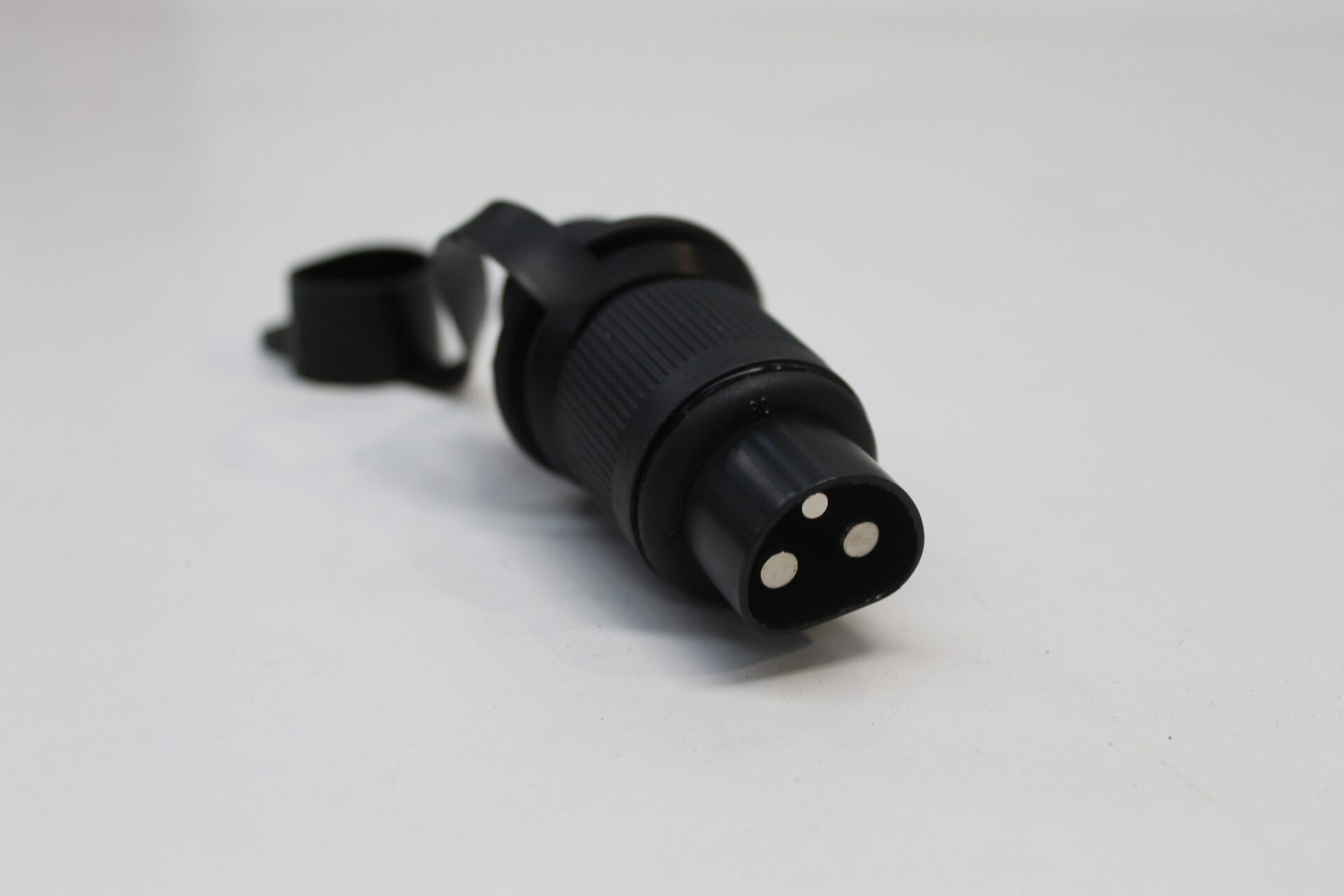
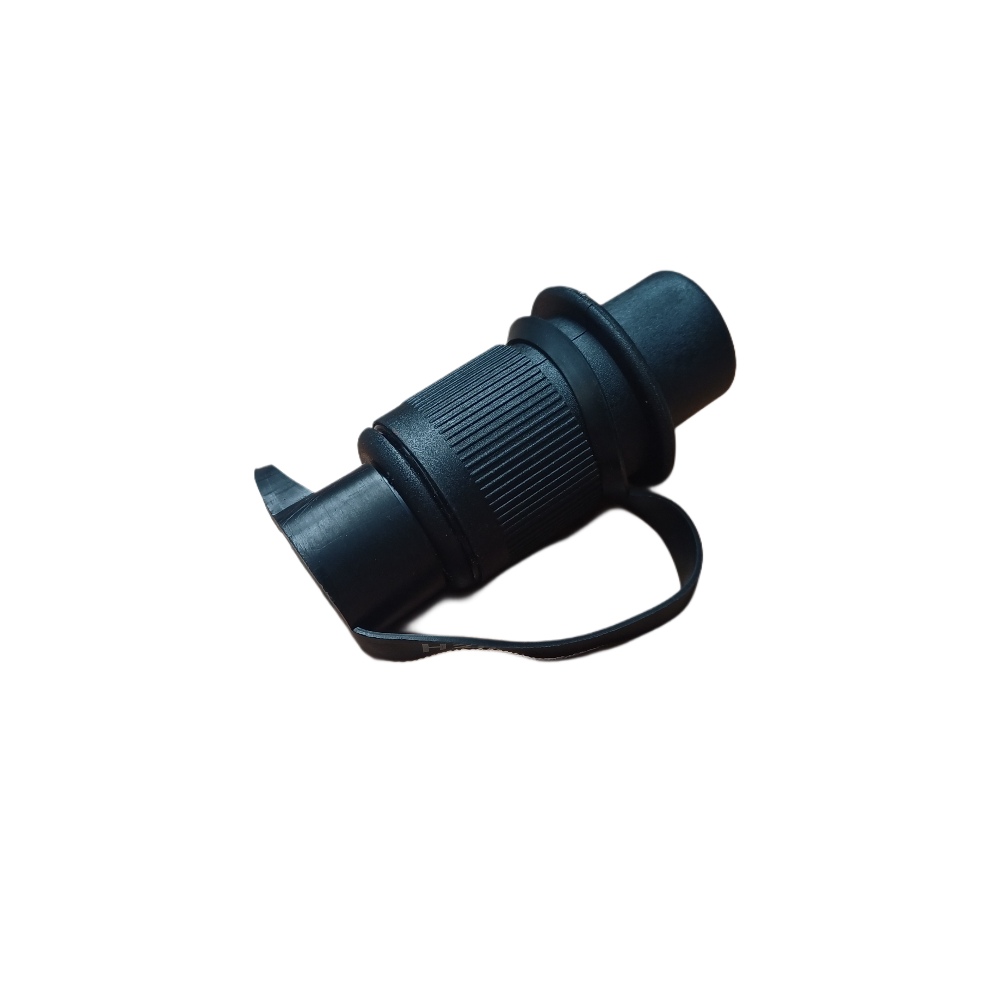
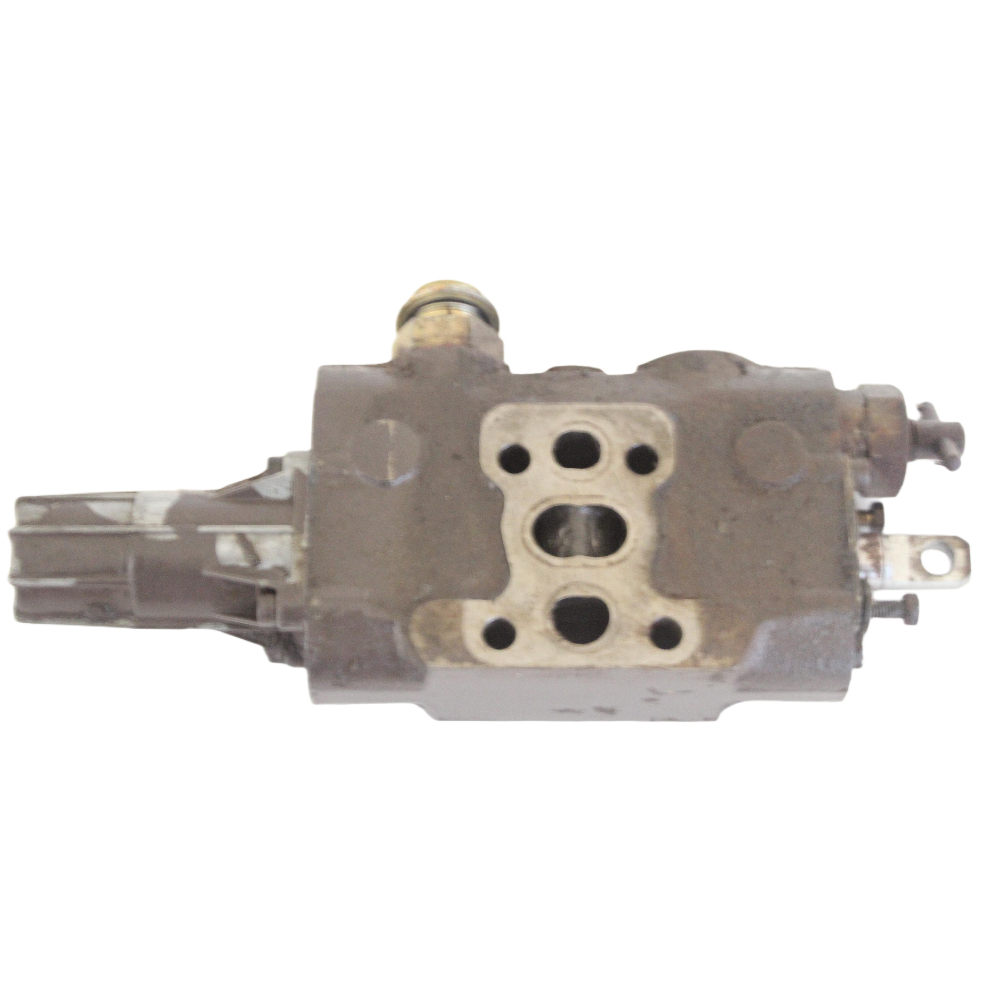
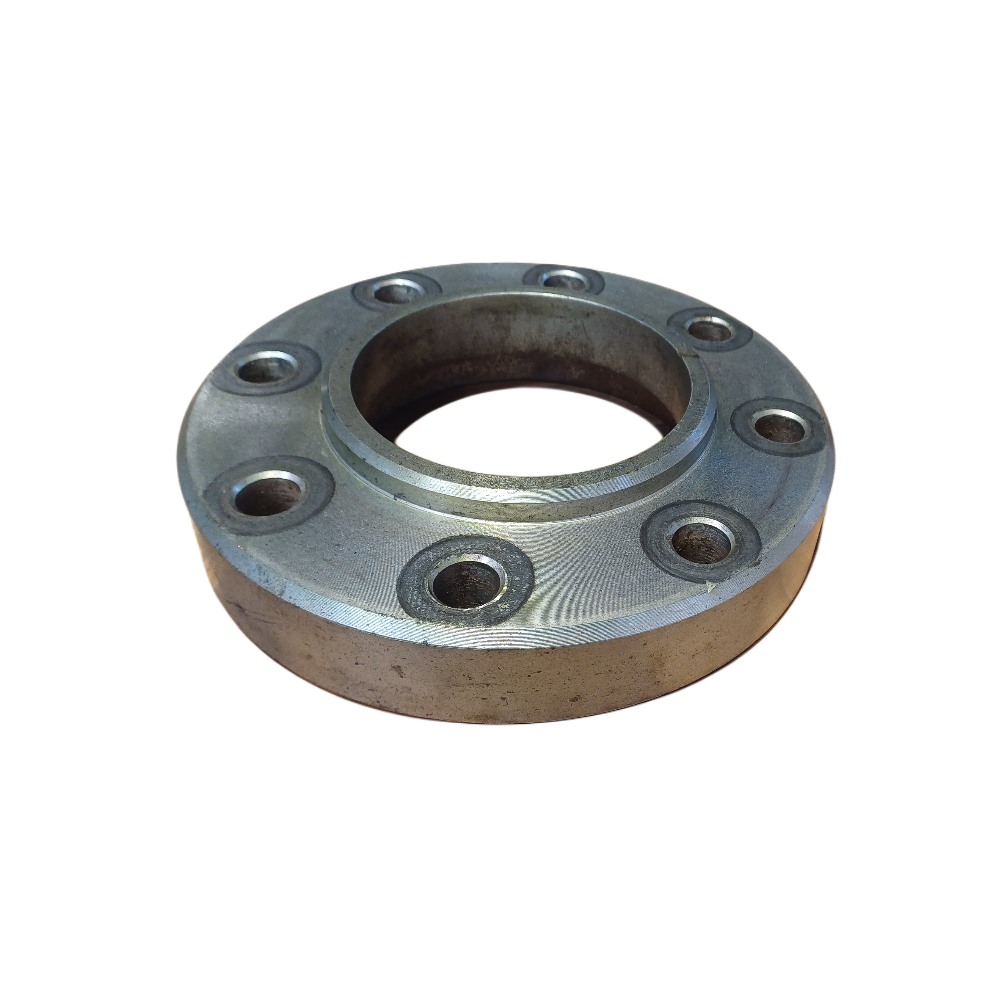
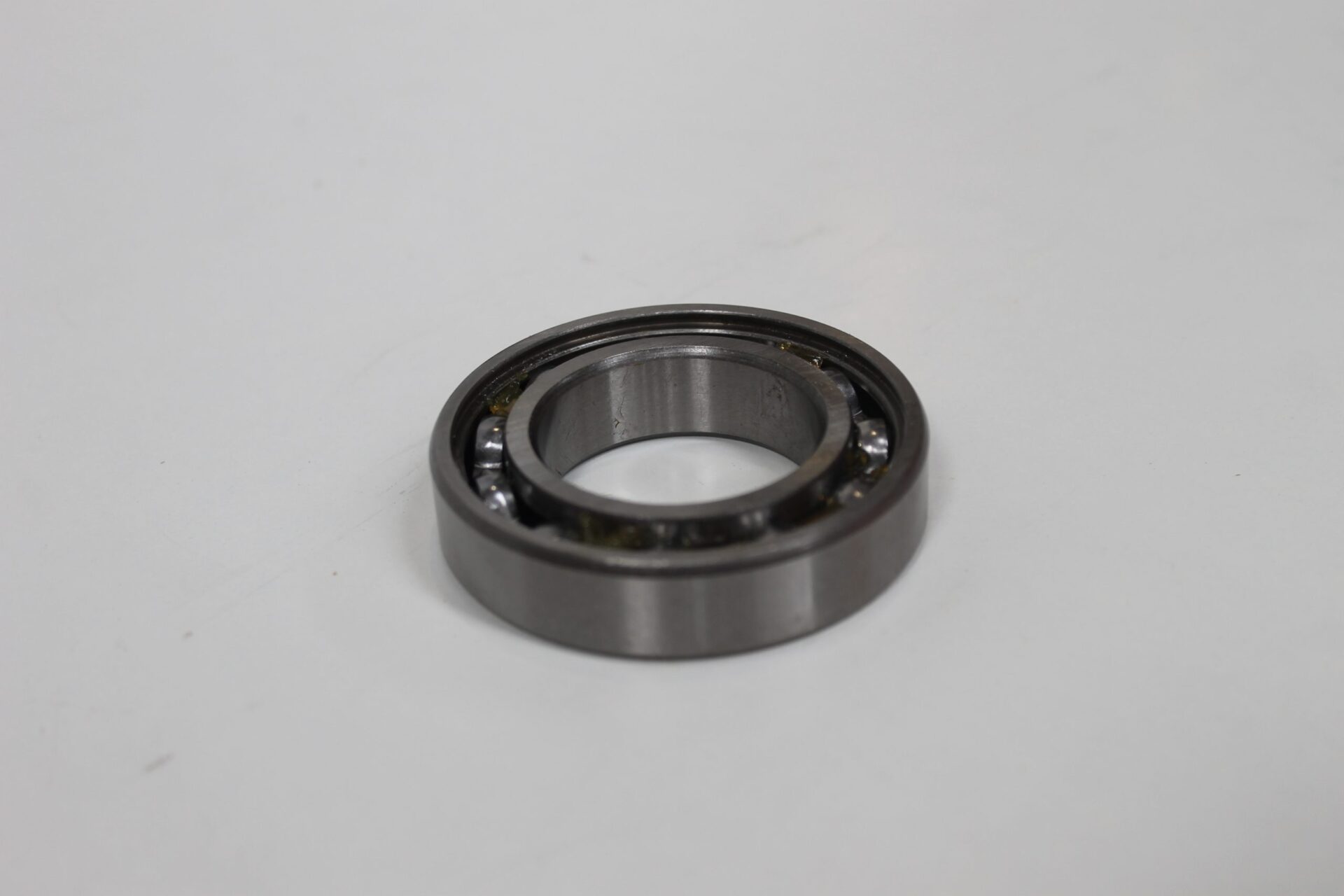
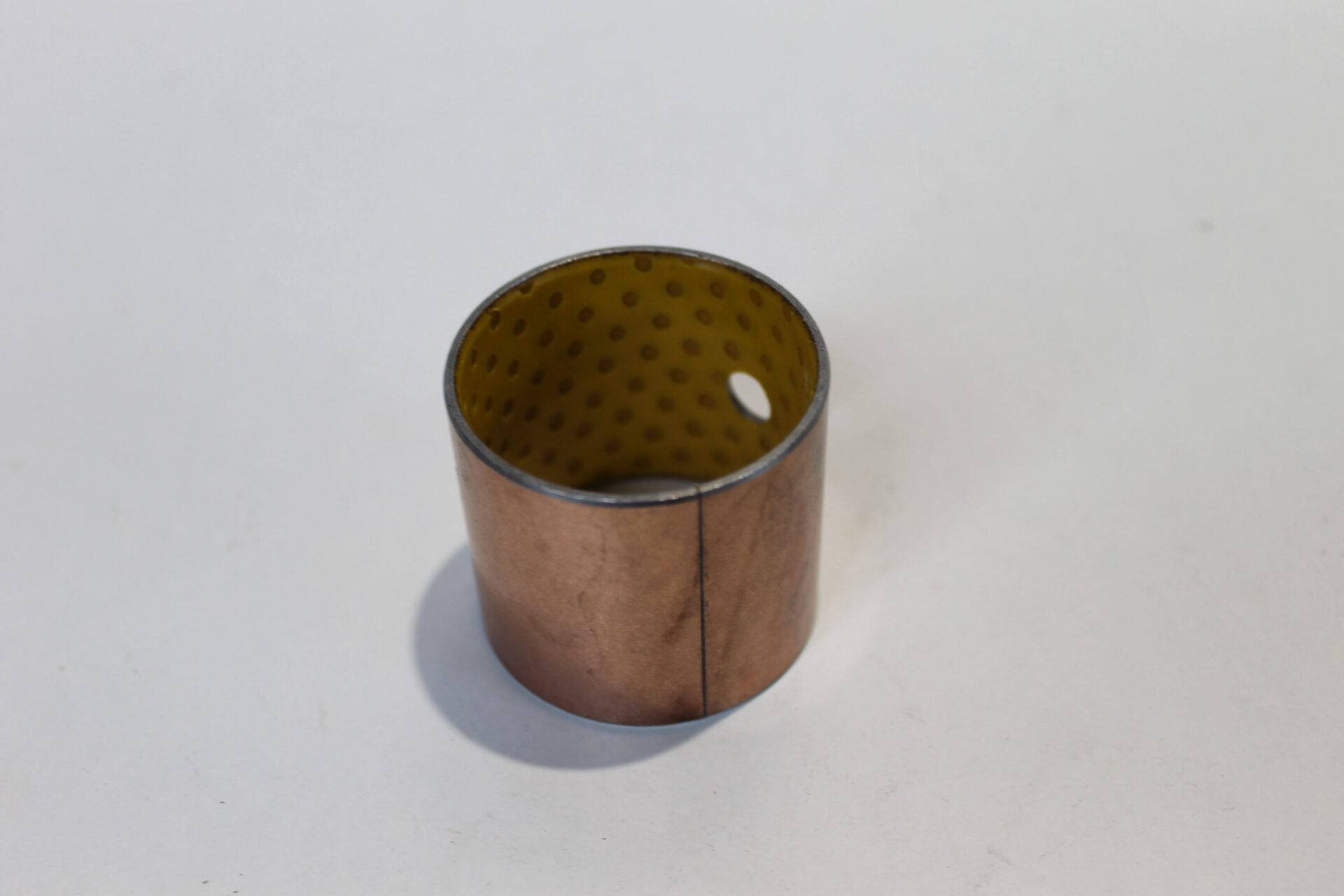
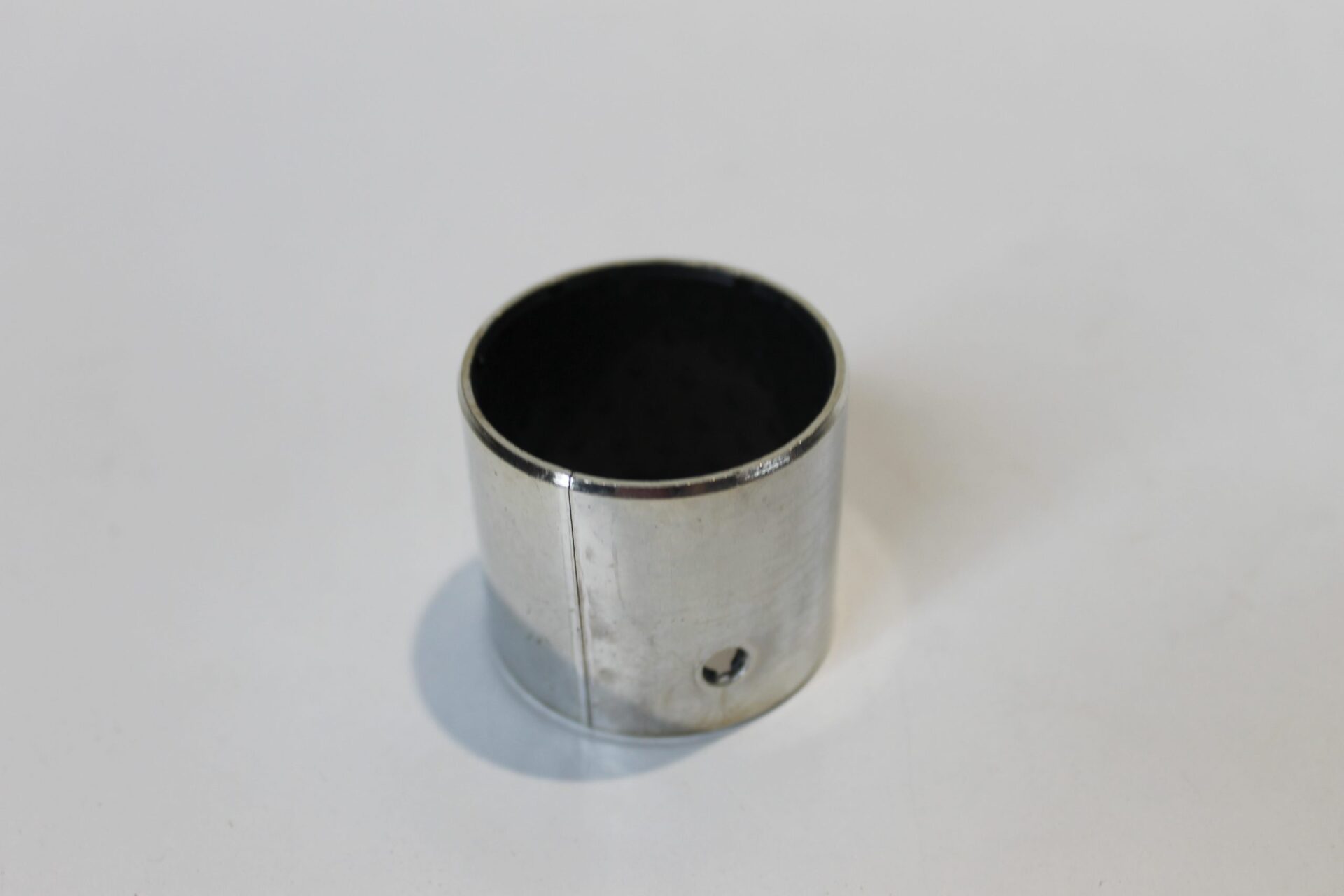
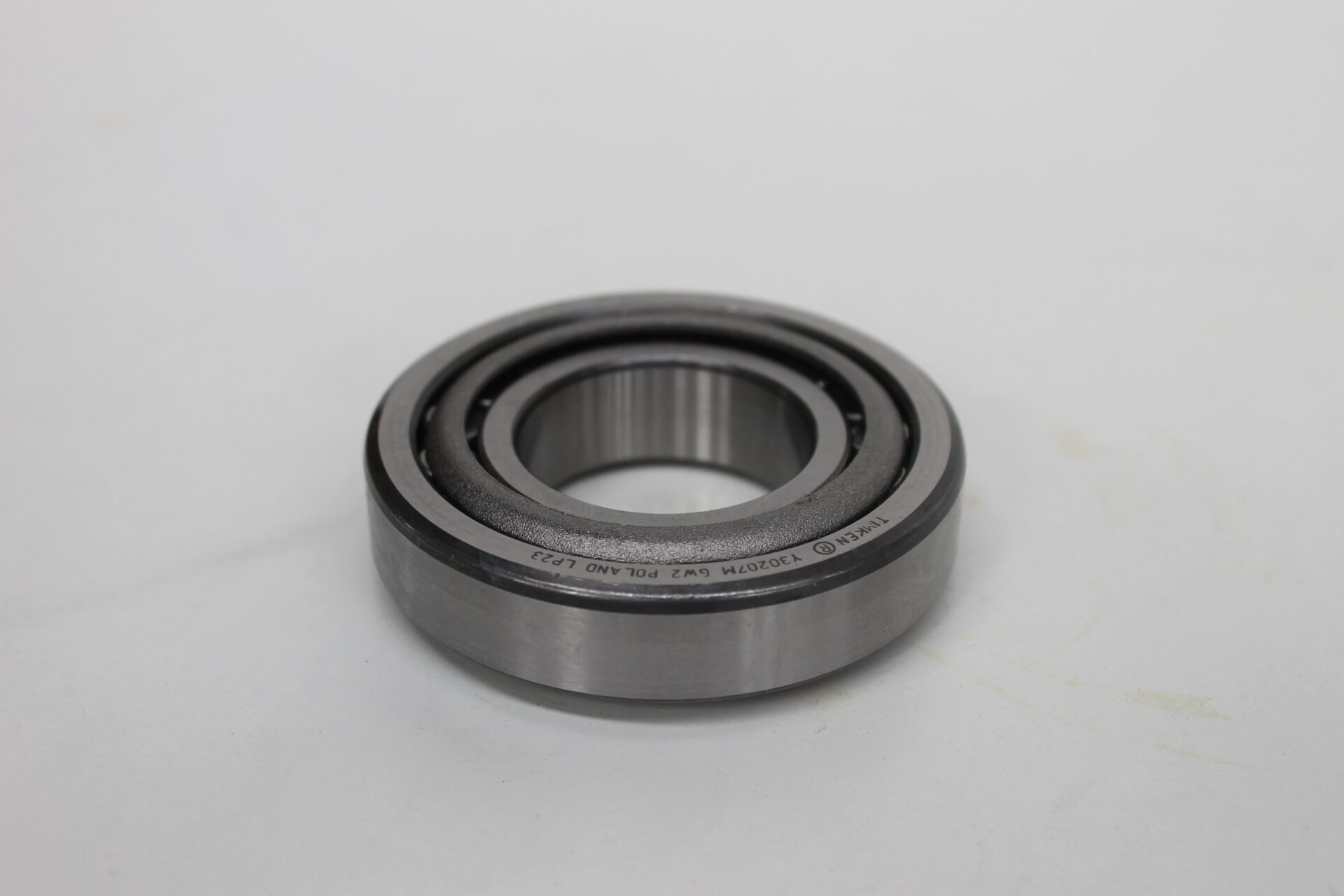
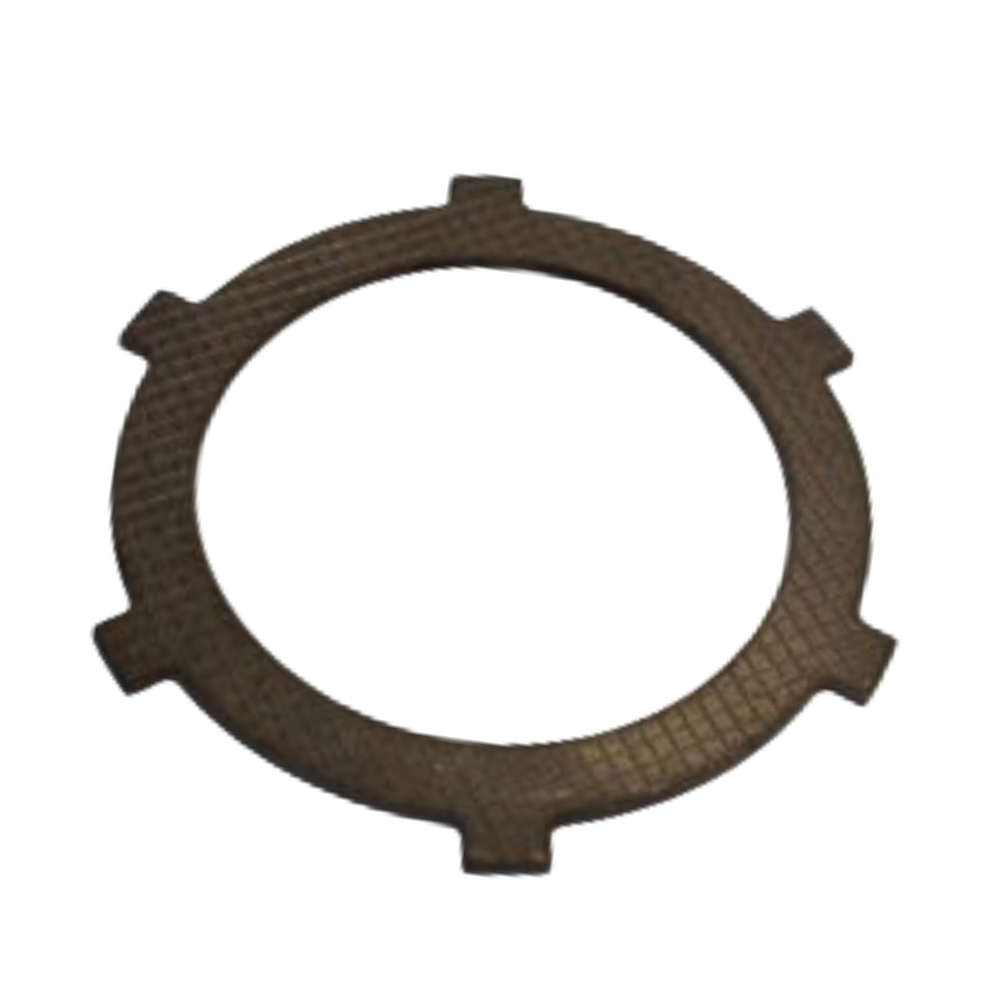
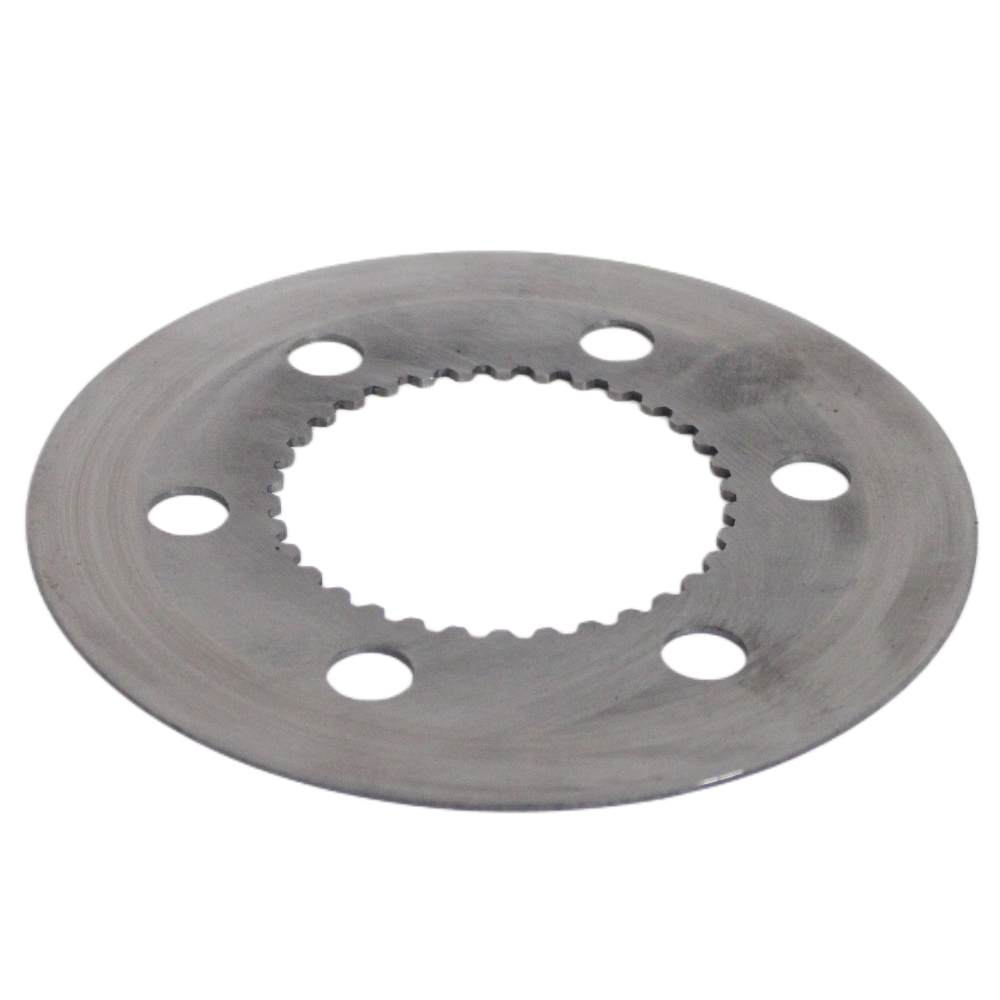
The Massey Ferguson 6260 remains a favourite among mixed‑farm operators thanks to its versatile 6.0‑litre Perkins diesel engine and sturdy 32×32 Dynashift/DynaShuttle gearbox. When the time comes for maintenance or repair, sourcing the right parts is essential to preserve performance and minimise downtime. At NMT Group we stock a full spectrum of 6260 components – from critical wear items such as fuel filters, oil seals and clutch plates to larger assemblies like rear axles, PTO shafts and cab doors. Our inventory also includes electrical parts, cooling system elements and hydraulic hoses, ensuring you can tackle almost any fault without hunting across multiple suppliers.
Choosing the correct part for your 6260 is more than a matter of size; it’s about matching specifications, mounting points and durability standards that Massey Ferguson set for this model. Incorrect or poorly fitting components can lead to premature wear, reduced power delivery or even safety hazards on the field. That’s why our experienced team verifies each item against original equipment data before it is listed, giving you confidence that a used or refurbished part will perform just as reliably as a brand‑new one. Courier and priority shipping options, including DHL and FedEx, are available where appropriate.
Our new tractor parts are sourced from reputable manufacturers and come with the assurance of fresh materials and full warranties where applicable. For customers seeking cost‑effective solutions, our used 6260 parts are carefully inspected, cleaned and tested to meet strict quality criteria, offering excellent value without compromising on reliability. Refurbished components provide a middle ground – they are restored to like‑new condition, often including upgraded seals or coatings that extend service life.
NMT Group is based in Ireland, but we ship worldwide with fast, trackable delivery so you can receive your 6260 parts wherever you operate. Our global logistics network means you won’t have to wait months for a single component; many items are dispatched within 24‑48 hours of order confirmation. We also offer expert advice via phone or email – simply provide your tractor’s serial number and the part you require, and our specialists will confirm fitment and suggest any additional accessories that might be beneficial.
Regular maintenance on the 6260 – such as replacing filters, checking hydraulic fluid levels, or servicing the transmission – can dramatically extend the tractor’s productive life. By keeping a stock of essential spare parts on hand, you reduce unexpected breakdowns during critical planting or harvesting periods. Our catalogue is organised for easy navigation: select “6260” to view all related components, filter by condition (new, used, refurbished), and sort by price or popularity.
When you choose NMT Group for your 6260 tractor parts, you benefit from competitive pricing, a transparent return policy and the peace of mind that comes from dealing with specialists who understand the unique needs of Massey Ferguson machines. Whether you run a small family farm or manage a large agricultural enterprise, our worldwide shipping capability ensures that quality replacement parts are always within reach. Goods specially ordered or electronic goods cannot be accepted back for credit.
Explore our 6260 range today and keep your tractor delivering the power, reliability and comfort it was built for.
FAQs
What sort of work is the MF 6260 best suited to?
The Massey Ferguson 6260 is a 6200 Series tractor built from 1999 to 2003, designed for transport, mowing, cultivation, and general mixed-farm duties. It is commonly listed with a 6.0-litre Perkins six-cylinder diesel and a 32x32 Dynashift or DynaShuttle transmission, which makes it a practical fit for farms wanting six-cylinder smoothness without stepping into a much larger tractor.
What engine and transmission setup should buyers expect?
Most spec references describe the 6260 with a Perkins 1006-60 6.0L naturally aspirated diesel rated at roughly 105–114 hp, depending on source and market description. Transmission listings commonly show a 32-speed Dynashift/DynaShuttle setup, and some period references also mention optional Speedshift-style alternatives, so it is worth confirming the exact gearbox on the individual tractor rather than assuming every 6260 is identical.
Why do so many buyers focus on the shuttle, clutch, and dashboard warning lights?
Because driveability faults on this model often point to the tractor’s control system rather than immediate major gearbox failure. One 6260 report describes both forward/reverse lights flashing, erratic clutch behaviour, the Dynashift dropping to D, and the PTO refusing to engage. Closely related 6200-series cases also point to clutch-switch and Autotronic-related faults causing intermittent loss of drive or erratic transmission behaviour, which is why a clean dash and consistent shuttle response matter so much on a test drive.
If the Dynashift stops working properly or drops out of certain ranges, where should attention turn first?
Transmission control is one of the first places to look. A 6260-specific case describes the tractor starting in high C, then losing the hare light and the C shift indication after a short time, with the clutch sometimes bringing it back temporarily. That pattern fits the broader 6200-series theme of checking the Dynashift control side, switches, and related electrical inputs before assuming the whole gearbox needs rebuilding.
Are PTO and rear-end wear points something worth checking closely?
Yes. Practical owner reports on the 6260 include PTO shaft/circlip housing wear, which is exactly the sort of issue that may not show up until a shaft is removed or changed. On the wider Massey family of this era, PTO problems are also often traced through sensor or control issues before major internal failure is confirmed, so PTO engagement and rear-end wear are both worth checking carefully.
What should be checked most carefully before buying a used MF 6260?
The smartest inspection points are cold starting, smooth shuttle engagement, clean Dynashift operation through all steps, working PTO, and the absence of flashing forward/reverse or transmission warning lights. It is also worth checking the condition of the electrical connectors and wiring around the cab and control system, because experienced owners of closely related 6200-series tractors specifically point to connector corrosion, brake wear contamination in the hydraulic system, and control-side electrical faults as recurring age-related issues.