The Massey Ferguson 6180 is a reliable workhorse from the 6100 Series, built between 1995 and 1998 for versatile farm tasks such as transport, mowing and cultivation. At NMT Group you’ll find a comprehensive range of 6180 parts – new, used and refurbished – to keep your tractor running smoothly. Whether you need a fresh filter, a replacement gearbox component or a full engine overhaul kit, our inventory is stocked with genuine and high‑quality alternatives that match the original specifications. Based in Ireland and shipping worldwide, we combine fast delivery with competitive pricing so you can get the right part for your 6180 without delay.
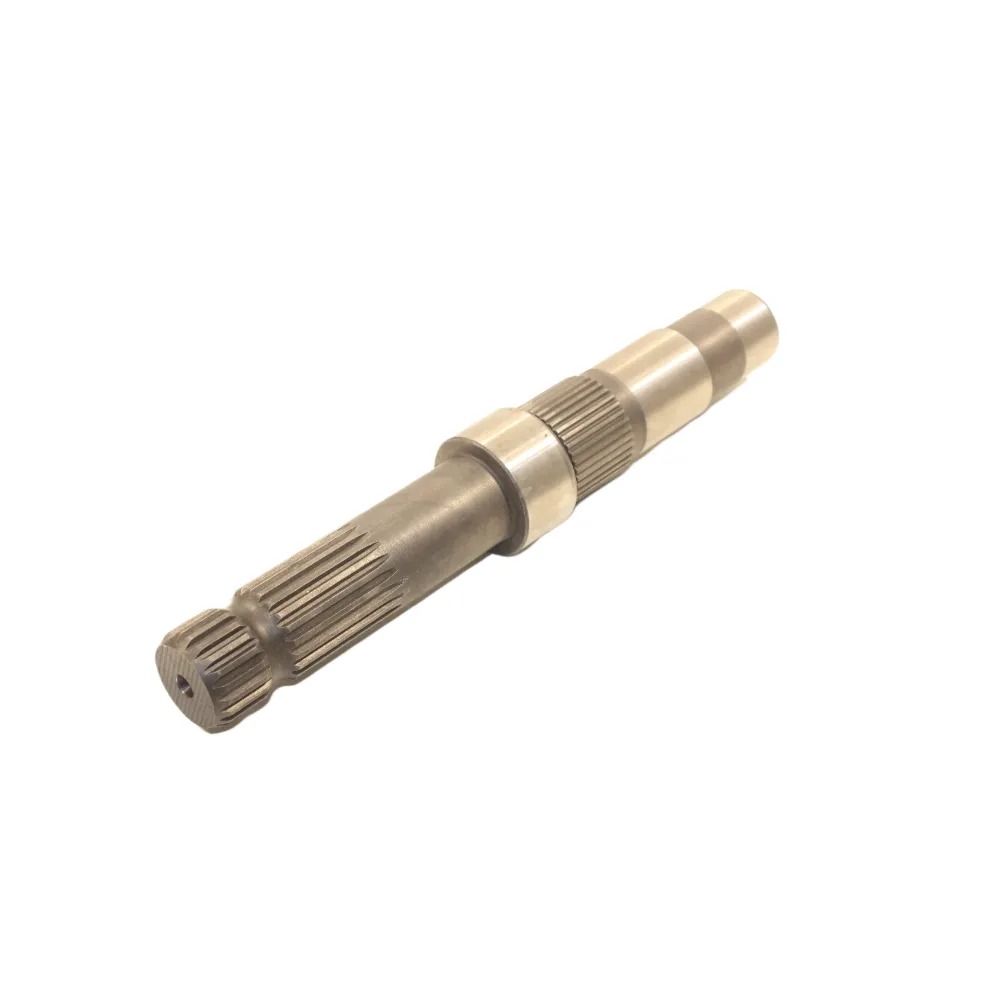
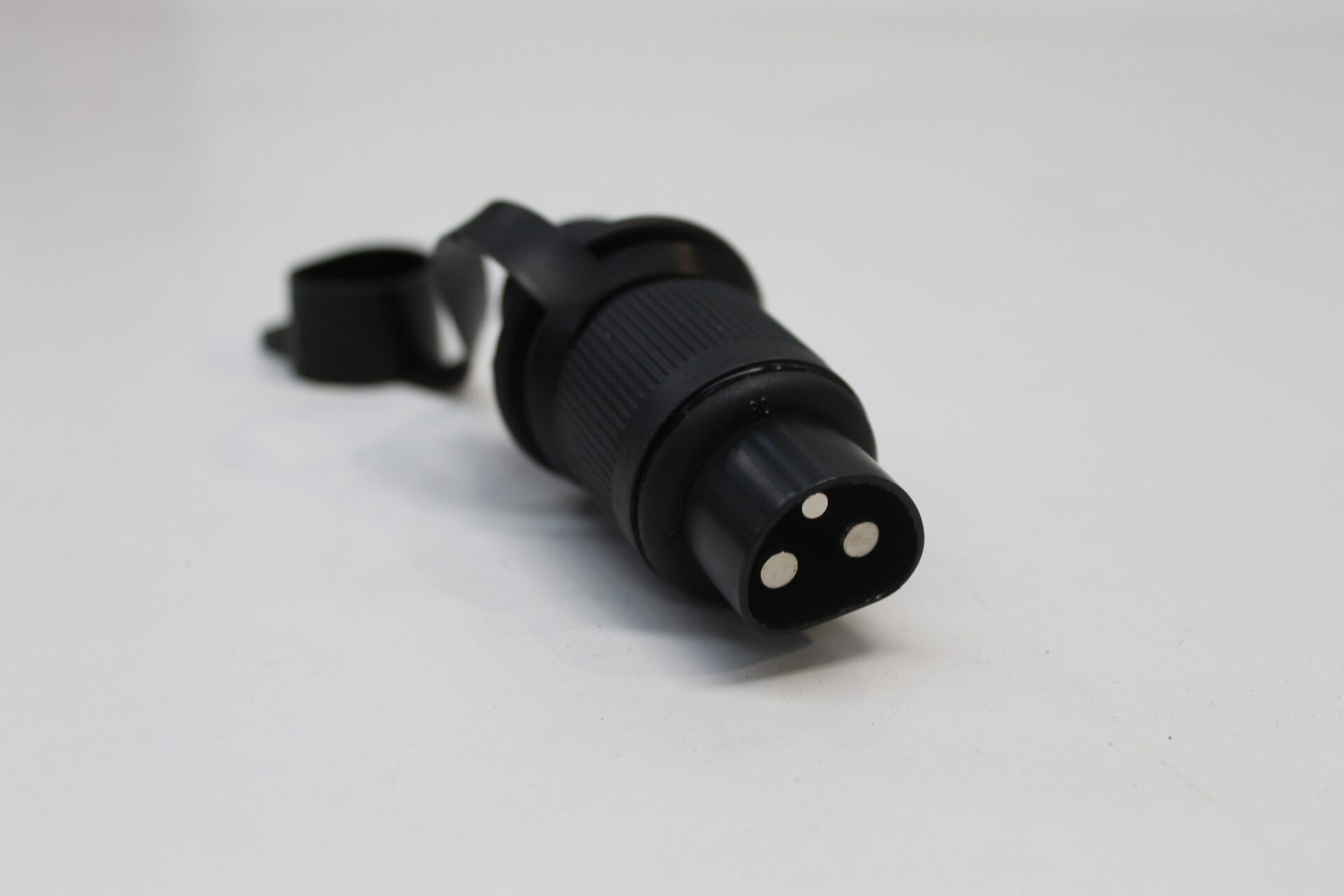
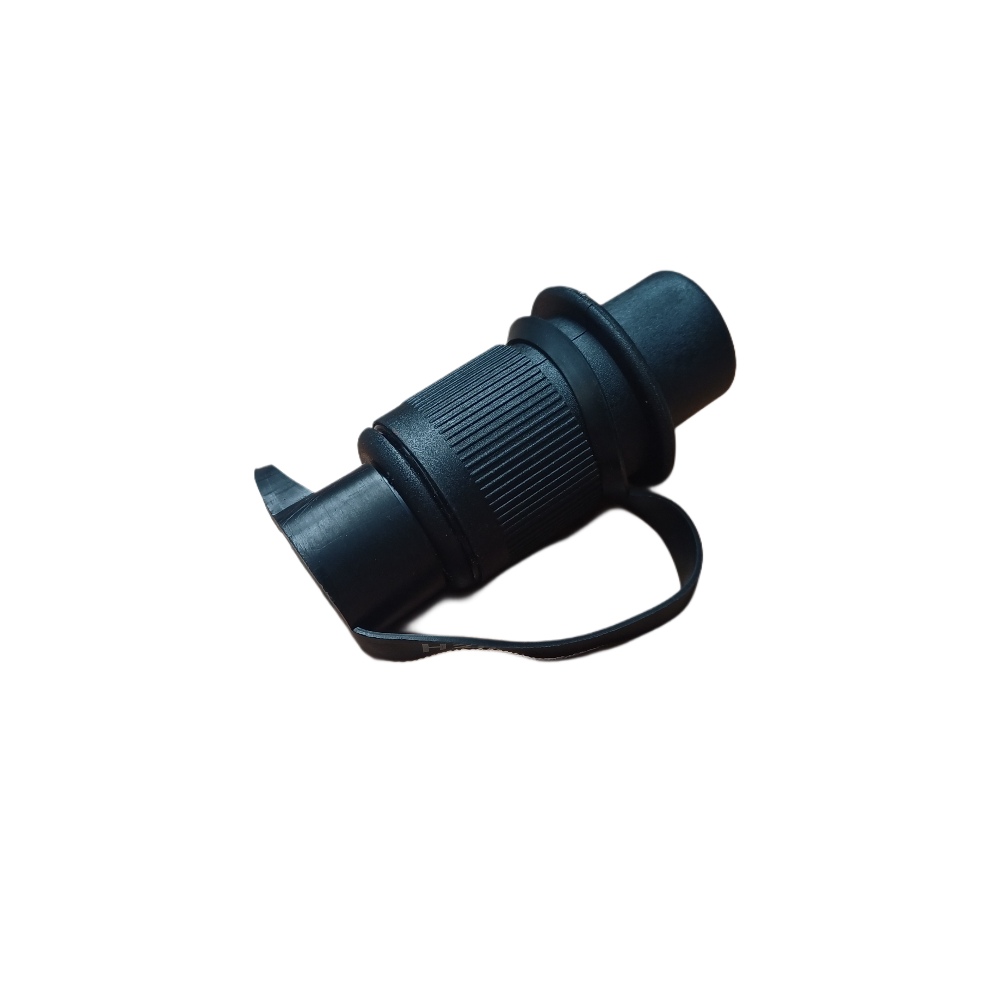
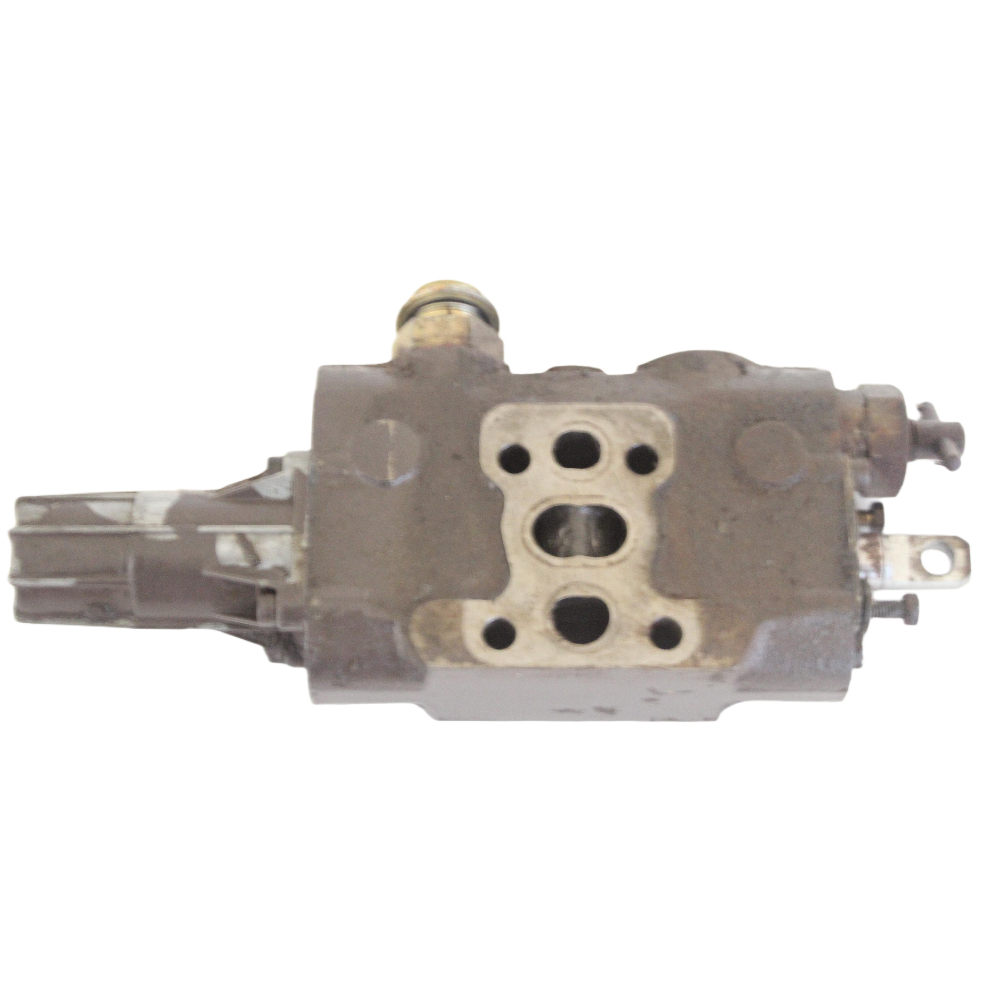
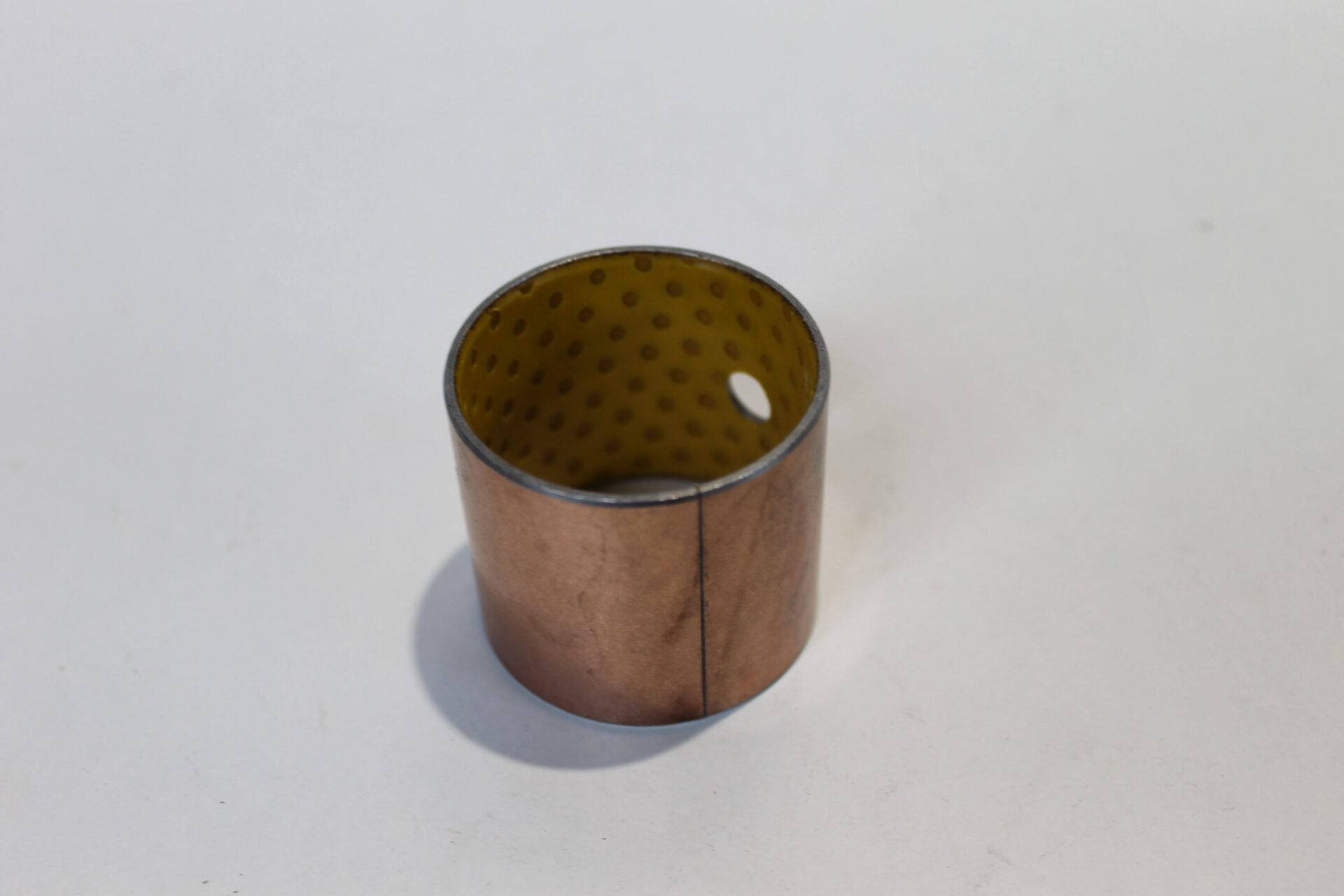
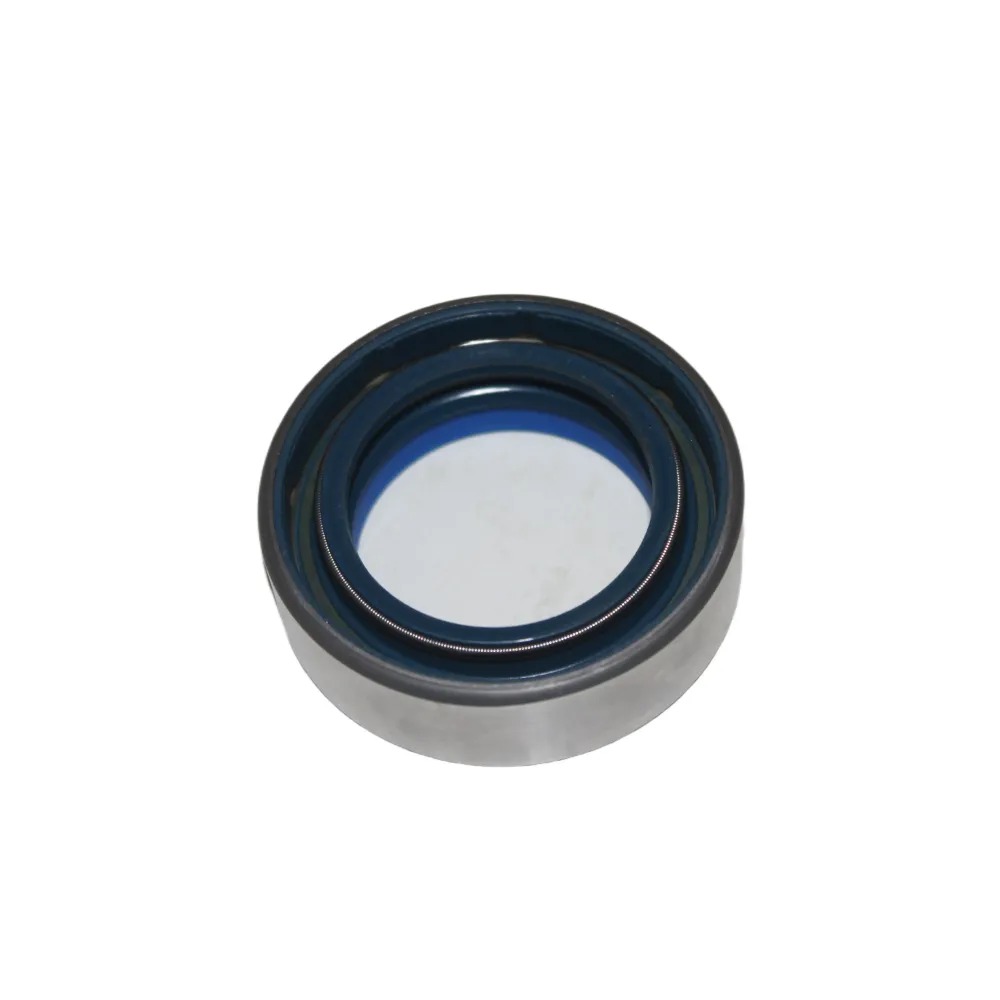
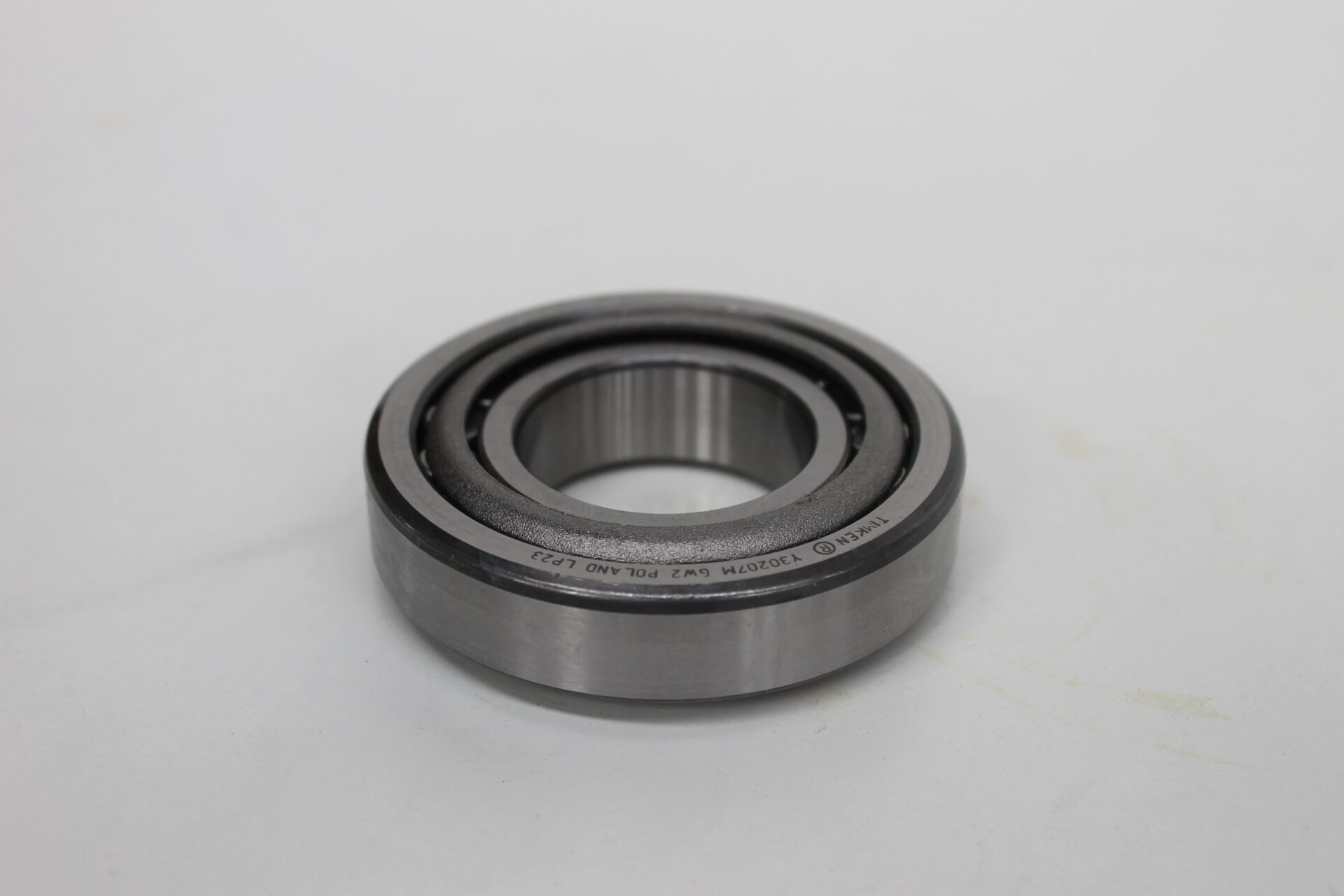
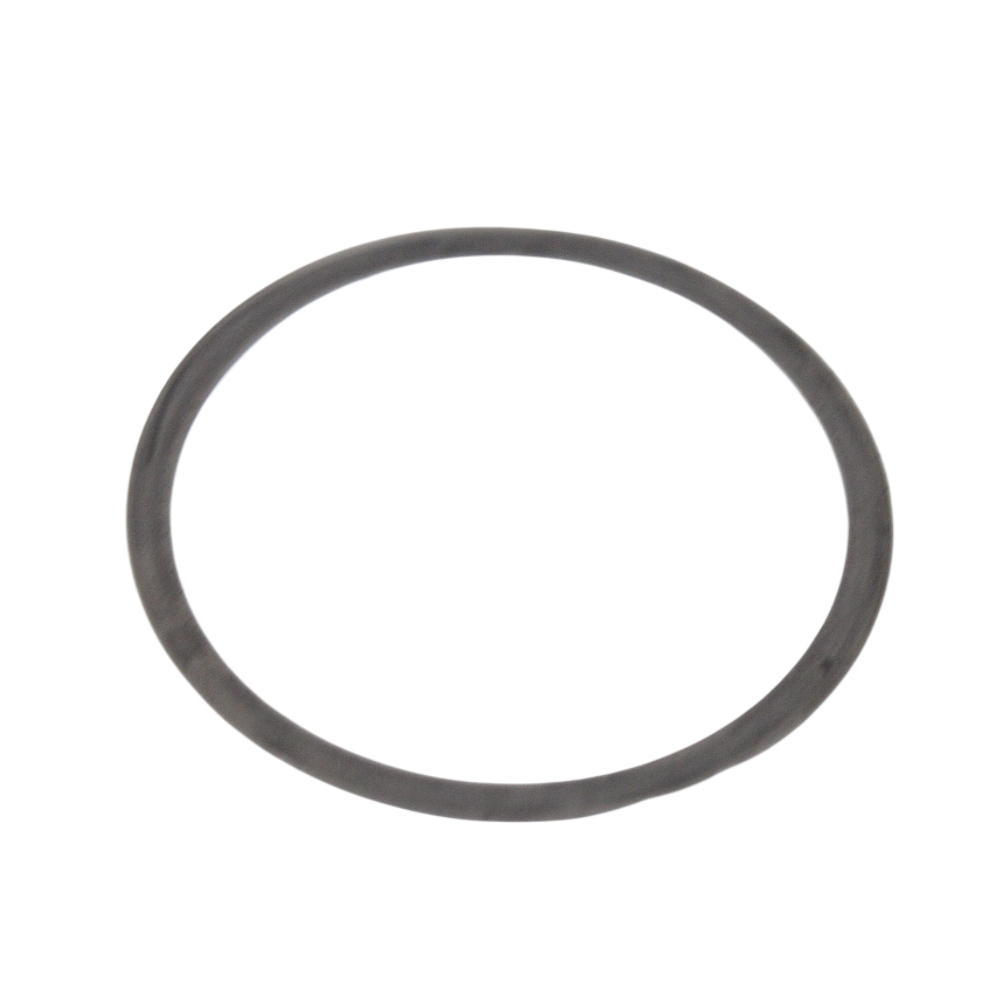
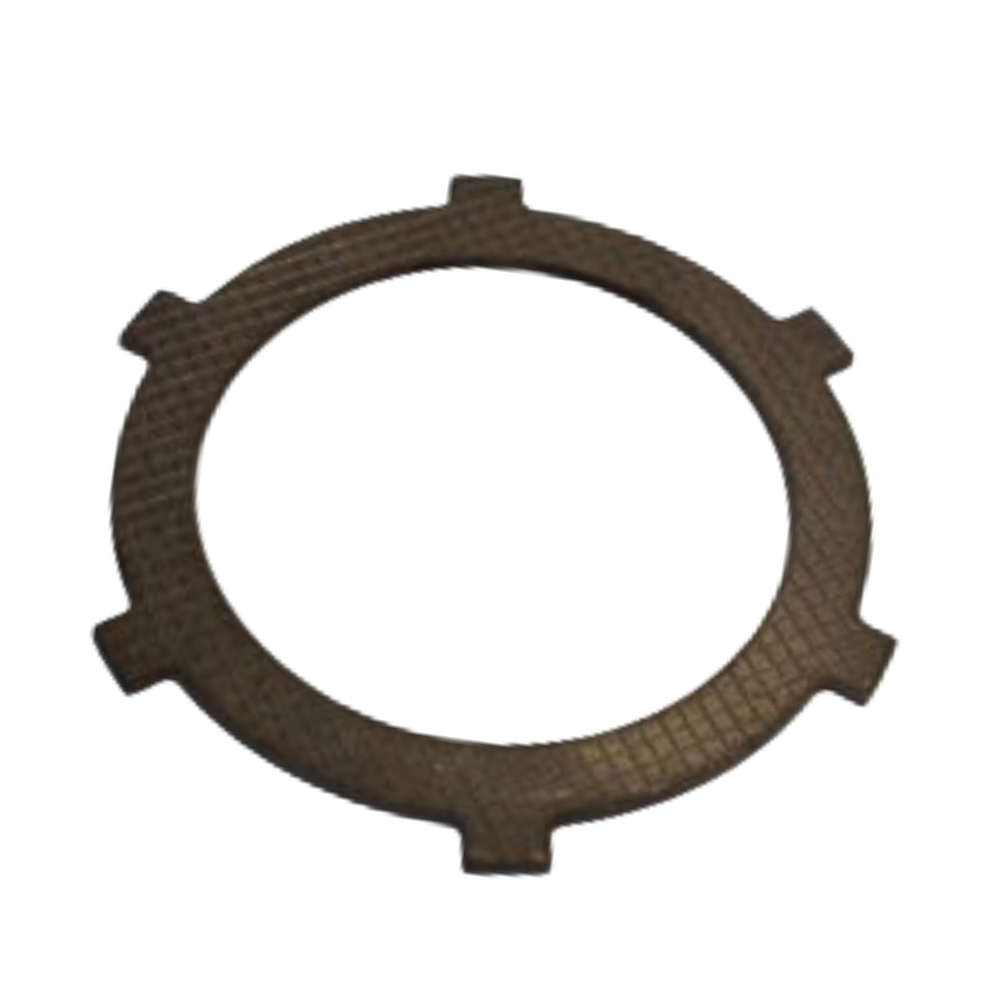
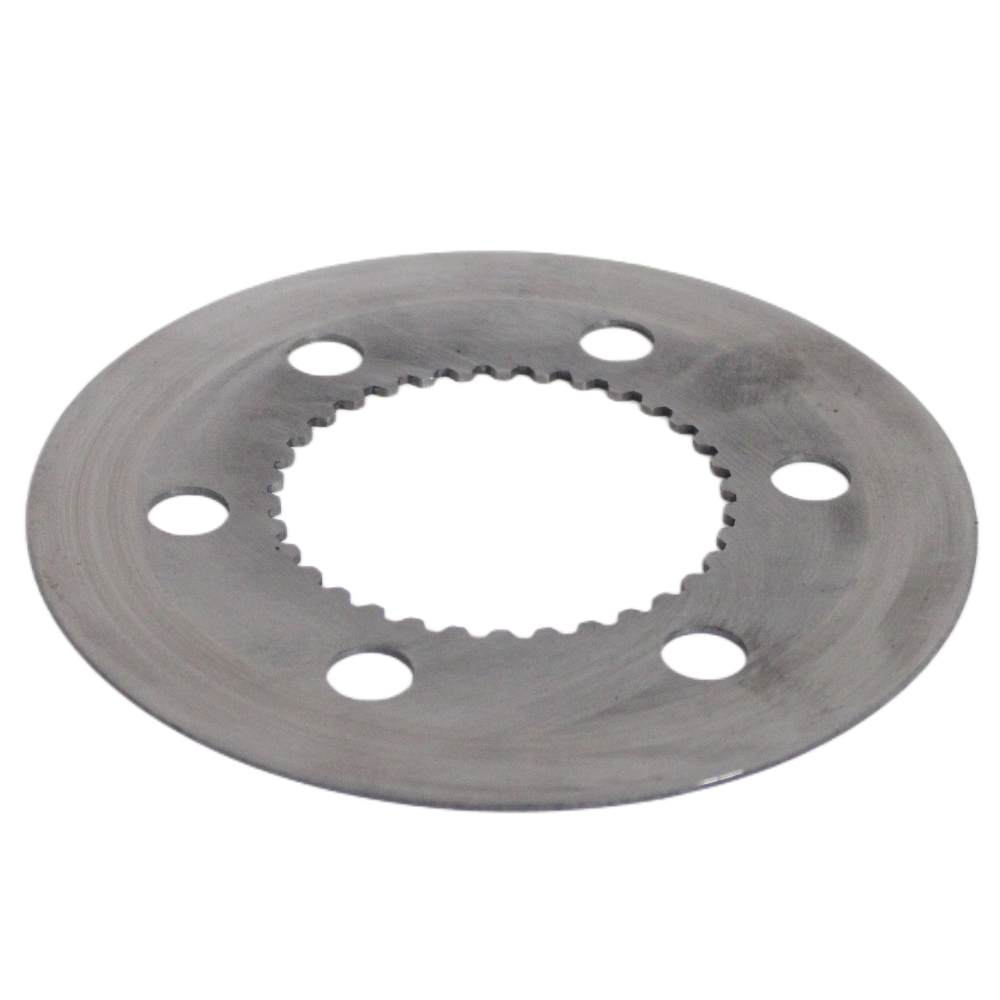


Keeping a Massey Ferguson 6180 operational means sourcing the correct replacement parts at the right time. Because this model was designed as a straightforward, pre‑emission all‑rounder, it relies on robust components that are easy to maintain but still require quality replacements when wear occurs. Typical items tractor owners look for include filters (air, oil and fuel), hydraulic hoses, brake shoes, clutch plates, transmission gears, PTO shafts, electrical wiring harnesses, and engine components such as pistons, rings and injectors. Even seemingly minor parts like seals, gaskets and bearings play a vital role in preventing leaks and ensuring smooth power delivery. Courier and priority shipping options, including DHL and FedEx, are available where appropriate.
Choosing the right part for your 6180 is essential to maintain performance, fuel efficiency and operator comfort. Incorrect fitment can lead to premature wear, downtime and costly repairs. At NMT Group we understand these concerns and provide detailed part numbers and compatibility information for every item in our catalogue. Our team verifies each component – whether it’s a brand‑new OEM piece, a gently used spare from a like‑model tractor, or a professionally refurbished unit that has been tested to meet original standards.
Why source 6180 parts from NMT Group? Firstly, we specialise in Massey Ferguson equipment, giving us deep knowledge of the 6100 Series and its variants. Our Irish base means you benefit from efficient logistics across Europe, while our global shipping network ensures that customers in Australia, North America, Africa and beyond receive their orders quickly and securely. We pride ourselves on low prices without compromising quality; bulk purchasing power and strong supplier relationships allow us to pass savings directly to you.
Our inventory is constantly refreshed, so whether you are tackling a routine service – such as replacing the oil filter or checking the coolant system – or undertaking a major rebuild, you’ll find the exact 6180 parts you need. For those who prefer environmentally friendly options, our refurbished range offers fully inspected and reconditioned components that perform like new while reducing waste.
In addition to individual parts, we also stock complete assemblies and kits for common repair jobs. A transmission overhaul kit, for example, includes all necessary gears, bearings and seals, simplifying the ordering process and ensuring you have every piece required for a successful rebuild. Similarly, engine repair packages combine pistons, rings, gaskets and timing components, providing a cost‑effective solution for a major service.
When you order from NMT Group, you receive more than just a product – you get expert advice. Our customer support team can help confirm fitment, suggest alternative part numbers if the original is unavailable, and guide you through installation tips. We understand that time on the farm is precious, so we aim to minimise any disruption by offering fast dispatch and reliable tracking.
Whether you are a contractor maintaining a fleet of tractors or an individual farmer looking after a single 6180, our catalogue of 6180 parts covers every aspect of maintenance and repair. From new tractor parts that meet original specifications, through quality used components that extend the life of your machine, to refurbished items that deliver performance at a lower cost, NMT Group is your one‑stop source for keeping the Massey Ferguson 6180 productive for years to come.
FAQs
What makes the MF 6180 a good fit for everyday farm work?
The Massey Ferguson 6180 is a 6100 Series tractor built from 1995 to 1998, designed for transport, mowing, cultivation, and general mixed-farm duties. It is commonly listed with a 6.0-litre Perkins six-cylinder diesel, around 109 hp engine power, and about 97 hp at the PTO, giving it the smooth six-cylinder feel many operators still look for in a used tractor.
What gearbox options are usually found on the 6180?
Most 6180 tractors were offered with either a 16x16 Speedshift or a 32x32 Dynashift transmission. That matters because the driving feel, control layout, and likely inspection points differ depending on which gearbox the tractor has, so it is worth confirming the exact transmission before buying.
If the powershift starts acting strangely, what should be checked first?
One of the most useful early checks is the Dynashift control side rather than assuming major internal gearbox damage straight away. A documented 6180 case describes the tractor jumping through the powershift on its own or hesitating between steps, while service material explains that Dynashift is a hydraulically controlled gear-shifting device using hydraulic clutches and epicyclic gear trains. In practice, erratic shifting deserves attention to the control and hydraulic side first.
Why do owners pay so much attention to PTO operation and rear-lift behaviour?
Because on this model those systems can point to a wider hydraulic or electrical fault rather than one isolated problem. A recent 6180 case describes a tractor where the PTO would not stay engaged, the Dynashift stayed fixed for a long period after startup, and the rear lift stopped working, which makes it sensible to test PTO, rear linkage, and transmission functions together on a used machine.
If a warm tractor starts losing PTO or gear functions, is that a warning sign?
Yes. A documented ownership case shows a 6180 where, once warm, the PTO would not engage and the A-B-C-D and rabbit controls also stopped behaving normally. That pattern makes hot-running electrical or hydraulic issues an important thing to rule out, so a proper inspection should always include testing the tractor at working temperature, not just from cold.
What should a buyer inspect most carefully before purchasing a used MF 6180?
The smartest checks are cold starting, smooth Speedshift or Dynashift operation, PTO engagement under load, rear linkage response, and the condition of the hydraulic/transmission oil system. It is also worth watching for warning lights and abnormal behaviour in hydraulics, brakes, transmission, or charging systems, because those dashboard alerts are often the first sign of a more expensive issue developing.