The Massey Ferguson 4335 is a 4300 Series utility tractor built from 2001 to 2003, designed for everyday farm work such as loader duties, mowing, transport, and general yard or field jobs. It is commonly listed with a Perkins 4-cylinder diesel engine producing around 75 hp, and was offered with several transmission choices depending on specification, including gear, mechanical shuttle, and power-shuttle versions.

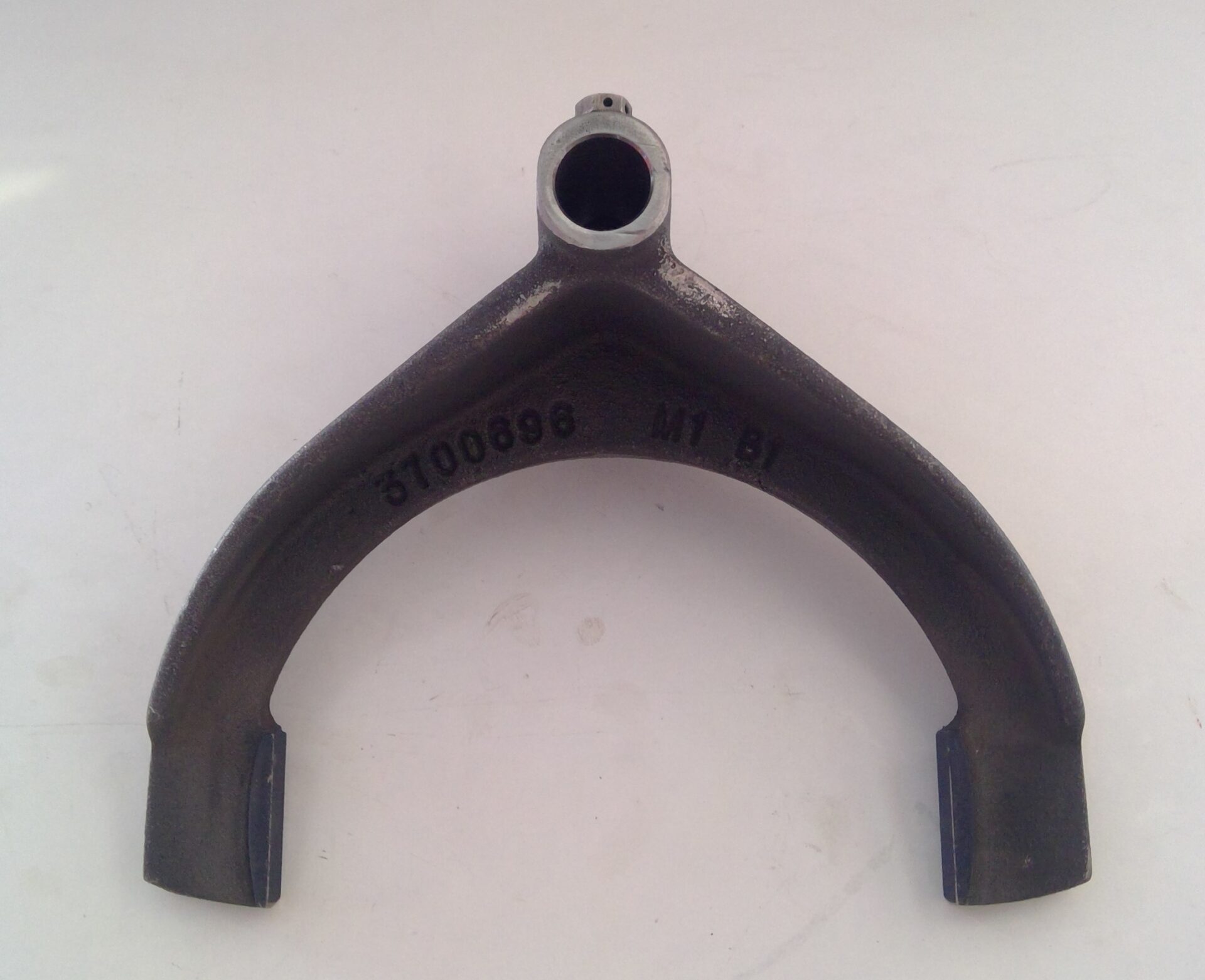
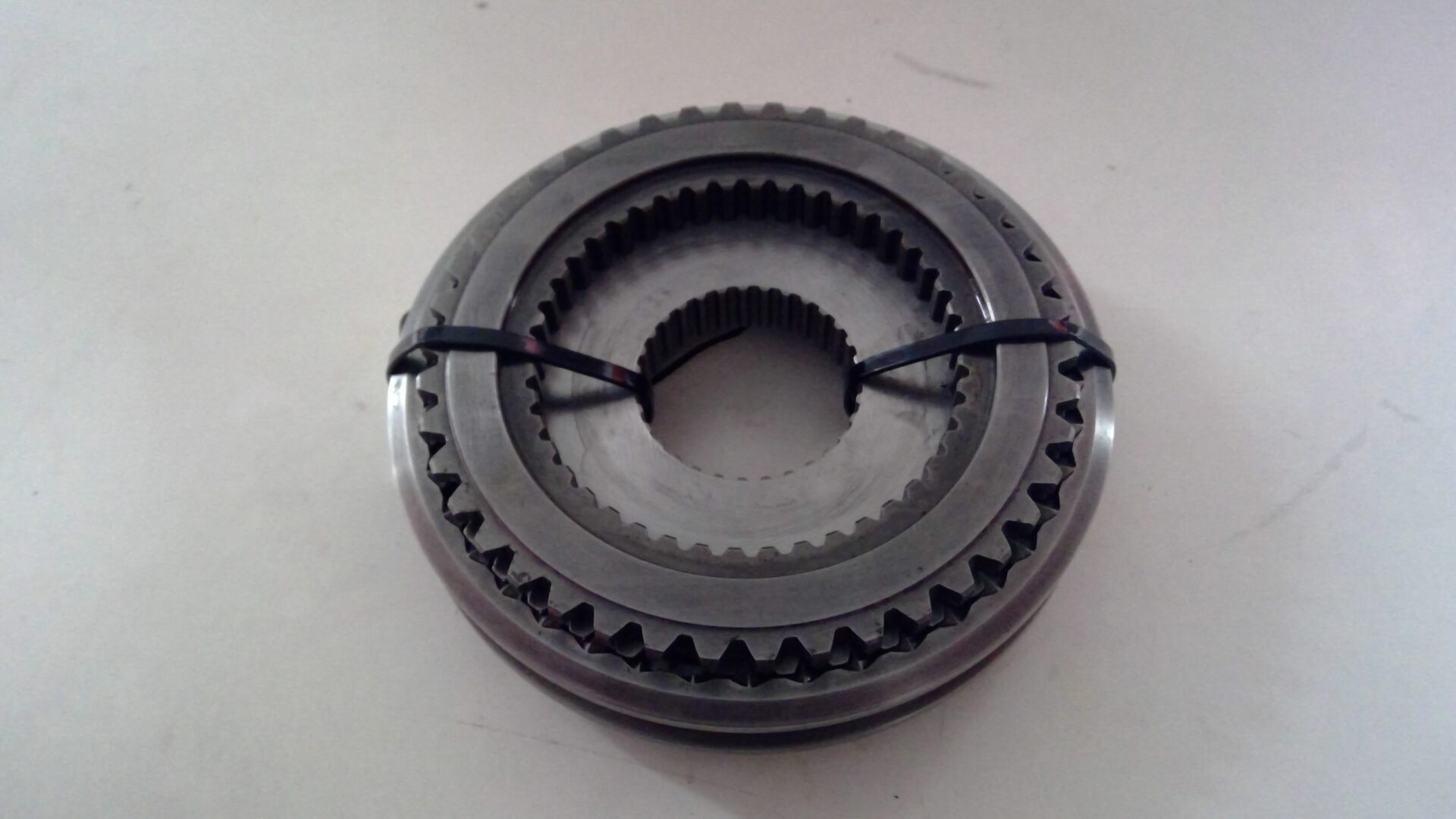
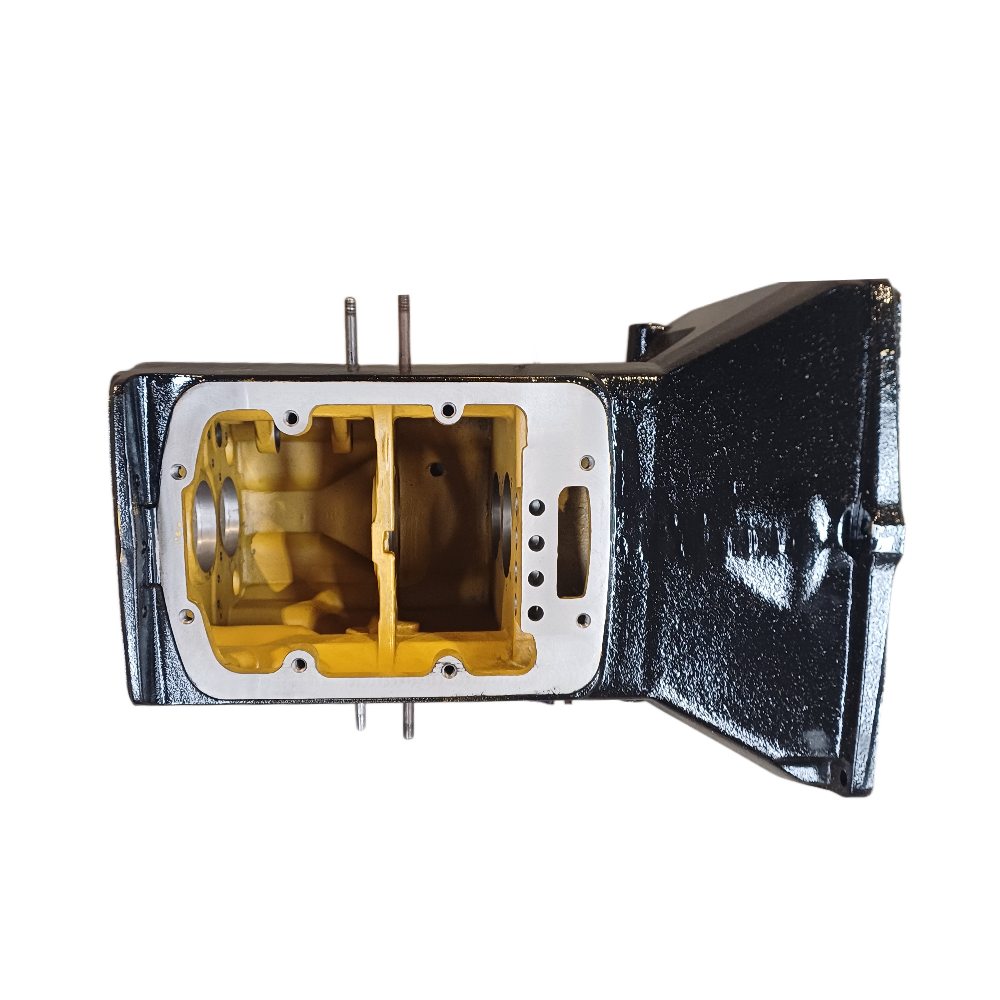
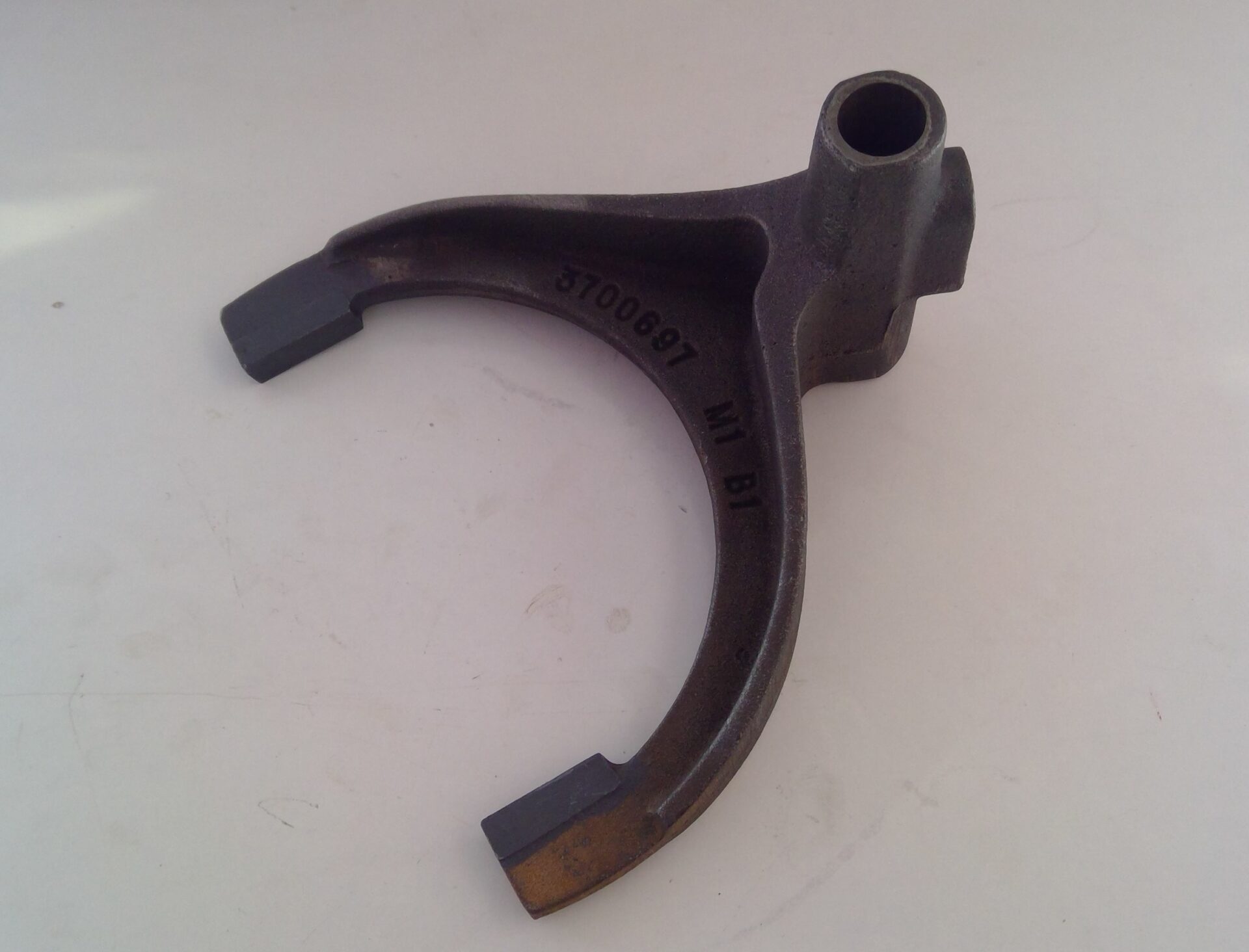
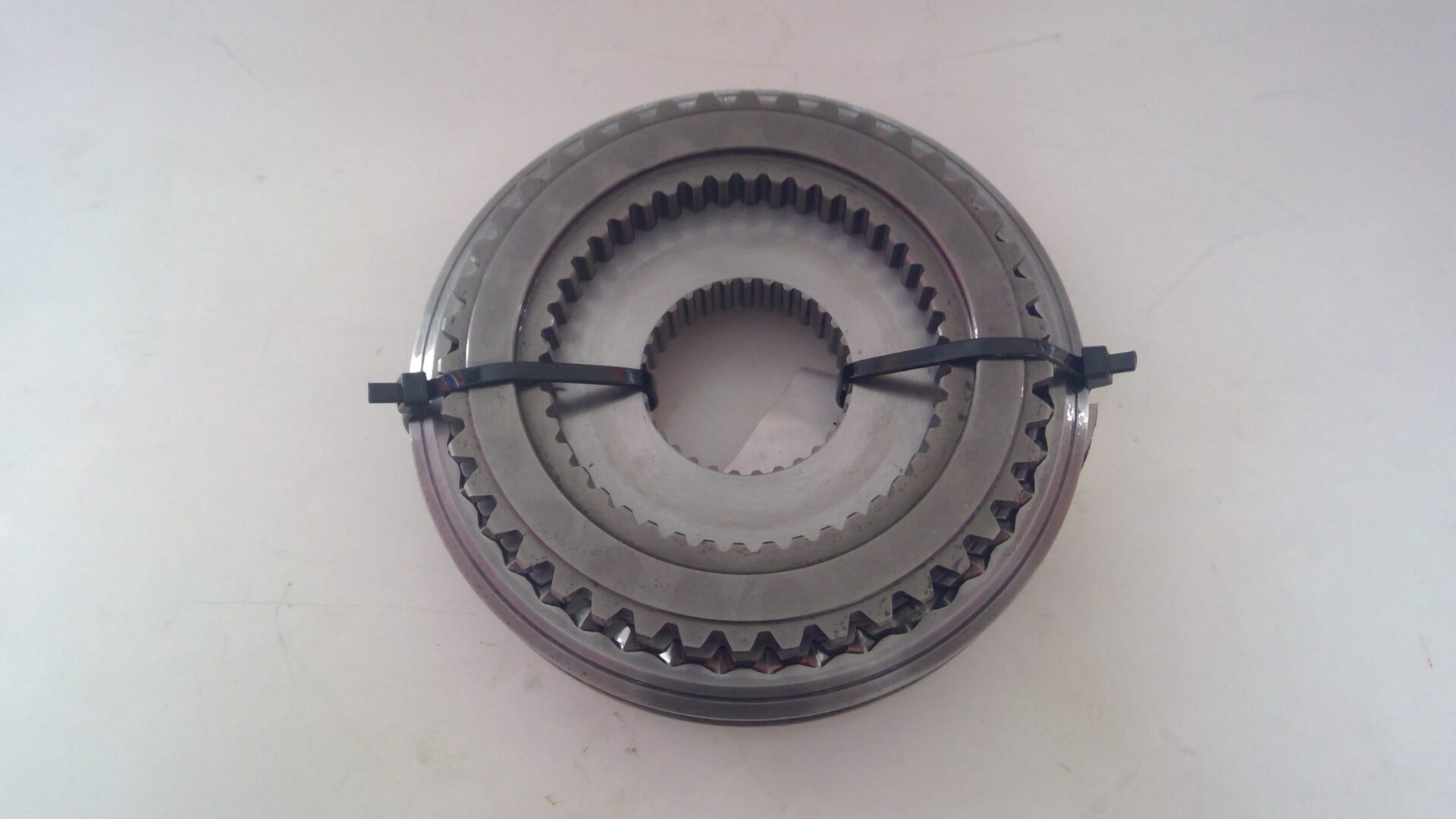

In practical terms, the 4335 is known as a straightforward pre-emissions tractor with a good balance of power, simplicity, and versatility. Reference listings also show it was available in 2WD or 4WD, with independent rear PTO and either ROPS or cab depending on spec, making it a practical choice for mixed-farm use.
FAQs
What kind of work is the MF 4335 built for?
The Massey Ferguson 4335 is a 4300 Series utility tractor built from 2001 to 2003, designed for loader work, mowing, transport, and general mixed-farm duties. It is commonly listed with about 99 hp, which makes it a useful fit for farms that want solid everyday performance in a relatively straightforward pre-emissions package.
What engine and transmission options were available on the 4335?
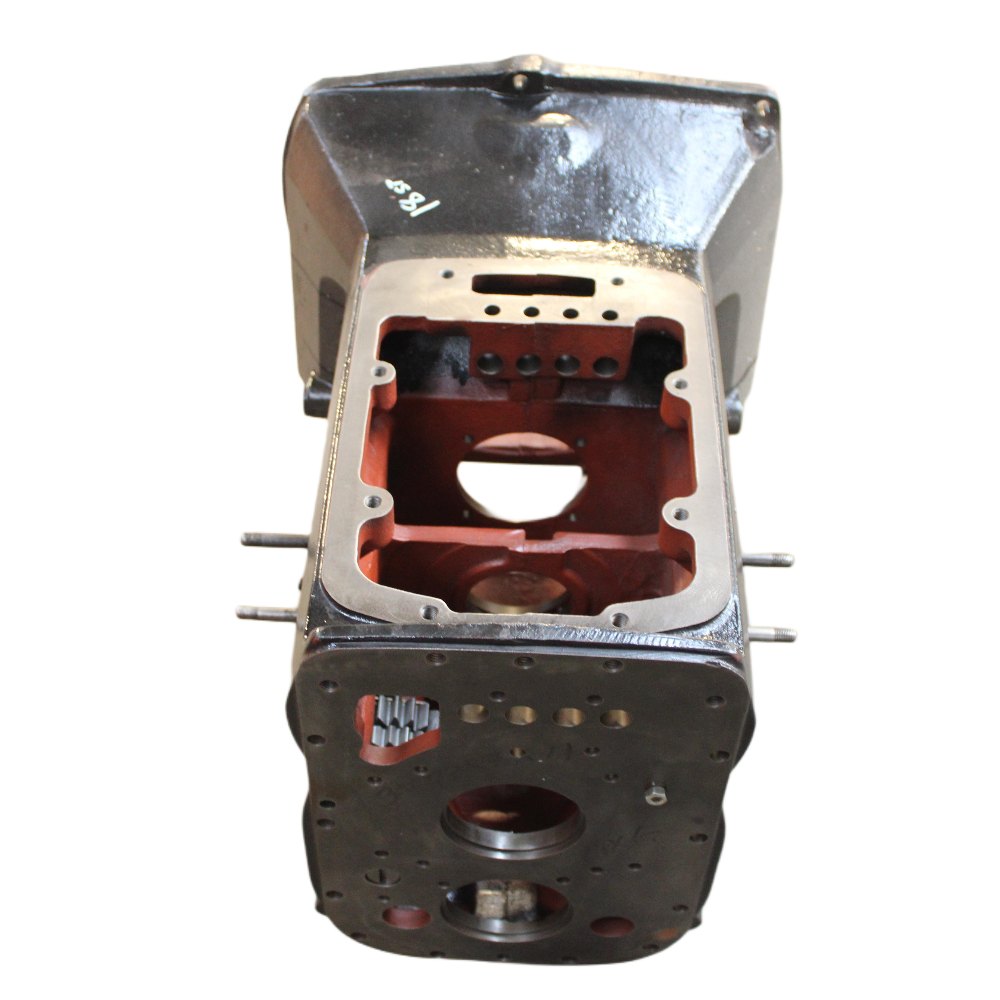
Most spec references list the 4335 with a Perkins 4-cylinder diesel of around 4.0–4.2 litres, depending on source naming, and a choice of transmissions including 8-speed gear, 12-speed gear, 12-speed mechanical shuttle, and 12-speed power shuttle. That matters because the driving feel and likely maintenance history can vary a lot between tractors.
Why do buyers pay so much attention to whether it is a power-shuttle tractor?
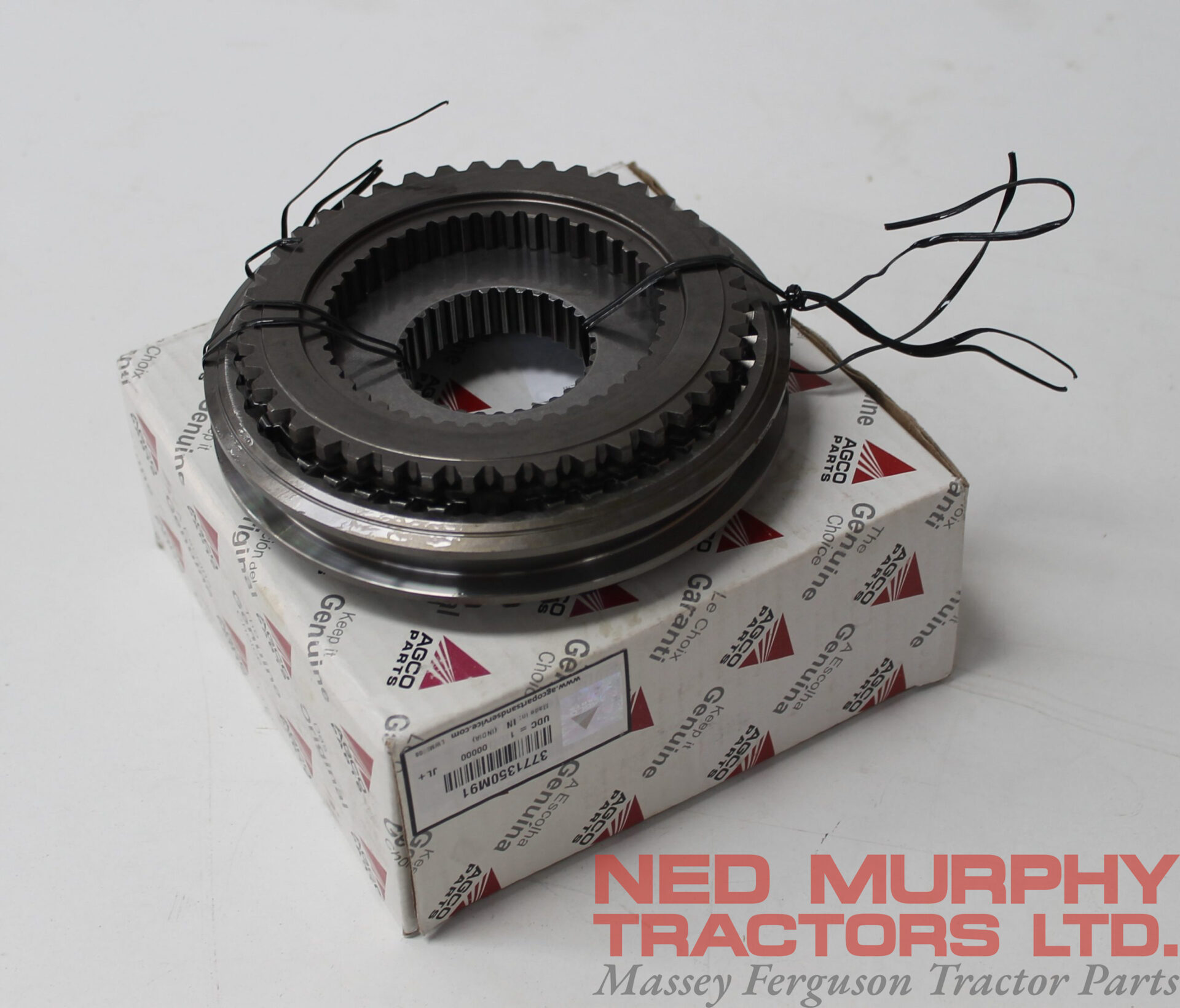
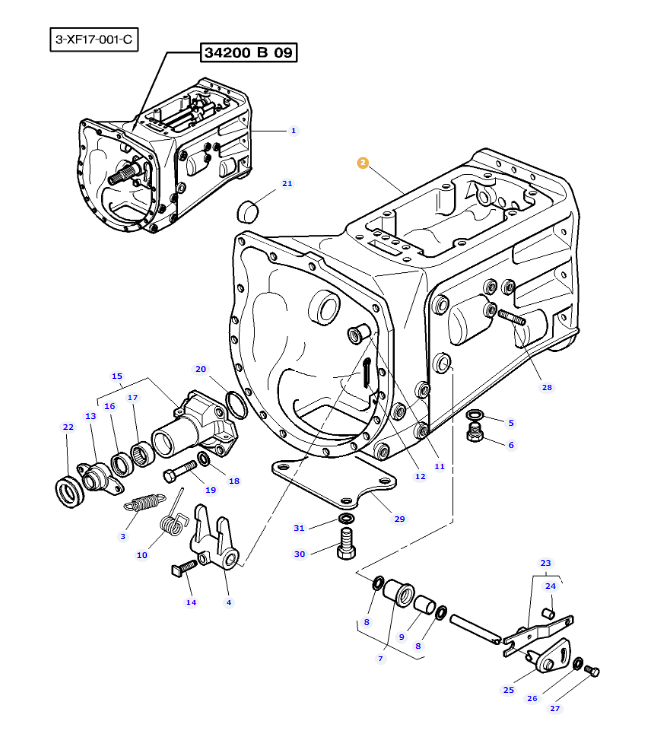
Because the transmission type changes both usability and the areas that deserve the closest inspection. Power-shuttle versions tend to attract more diagnostic attention around warning lights, shift response, and sensor-related faults, while simpler gear-drive versions are usually bought for their more straightforward layout. On this series, even parts suppliers specifically list a dedicated road speed sensor across the 4200 and 4300 families, which gives a good clue about where some recurring driveability faults originate.
If the shuttle warning light appears, what usually deserves checking first?
A sensible first step is the road speed sensor circuit and related wiring, especially if the dash loses speed display or the tractor still drives but flags a shuttle fault. Closely related 4300-series cases point to the road speed sensor and even the shuttle comfort-control setting as common starting points before assuming a major internal transmission problem.
If the tractor keeps trying to move or will not behave properly in neutral, is that serious?
Yes — that is something a buyer should take seriously. On shuttle-equipped Massey tractors in this family, erratic forward/reverse or neutral behaviour points attention toward the shuttle control side, including switches, solenoids, and hydraulic control faults, rather than just ordinary clutch wear. During a test drive, forward, reverse, and neutral should all feel clean and predictable both cold and hot.
What should be checked most carefully before buying a used MF 4335?
The smartest inspection points are cold starting, engine response under load, smooth clutch or shuttle operation, working dash speed display, absence of transmission warning lights, and clean hydraulic performance. It is also worth confirming the exact gearbox fitted, because the 4335 was sold in several transmission formats and owner experience can differ significantly depending on the specification.